- About us
Vulnerability arises where the bond is broken.
Elos exists to help people in a particular place come together again. We are a Brazilian civil society organisation based in Santos, and for 26 years we have been working with communities, businesses, governments and foundations to ensure that a community’s transformation is led by those who are part of it.
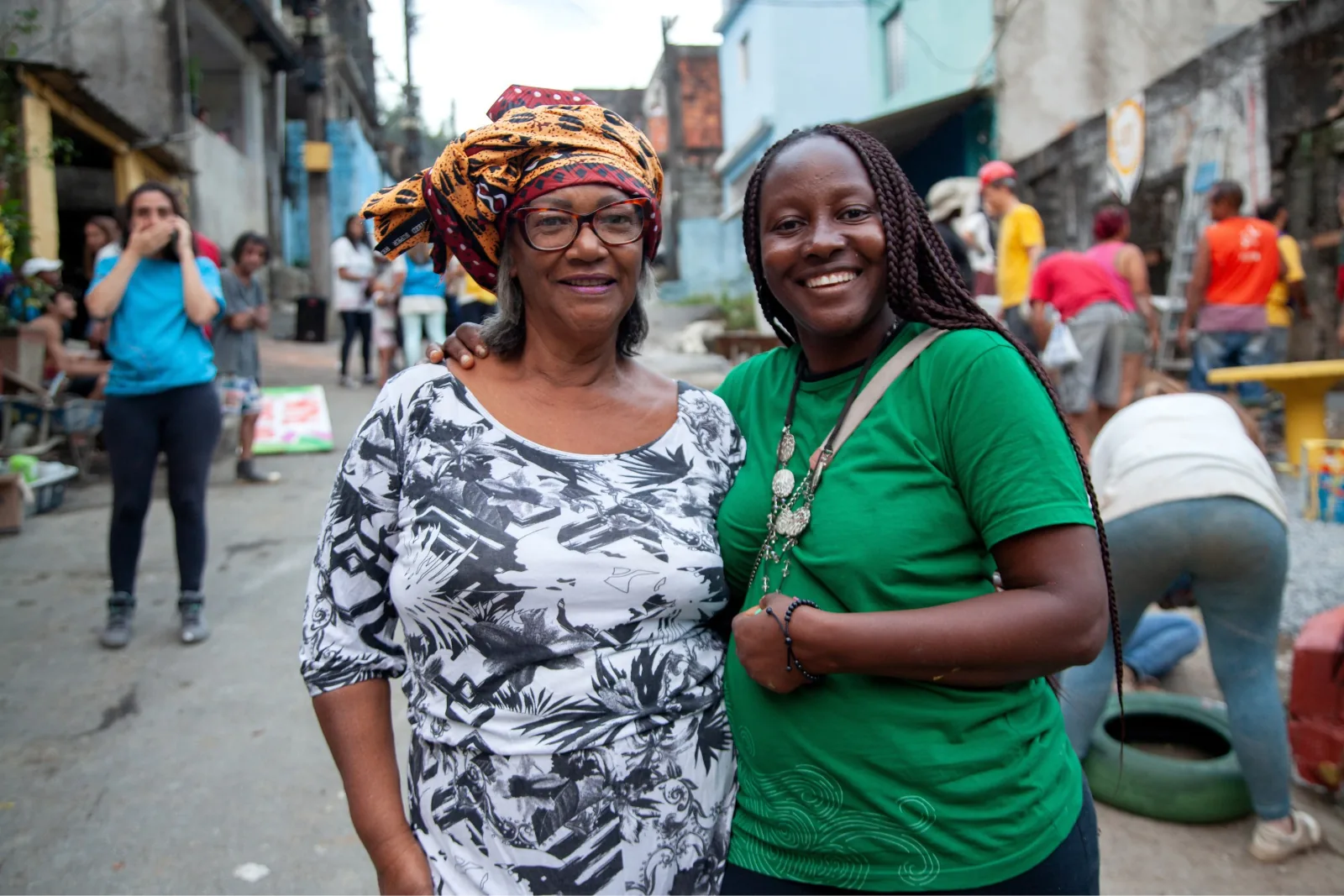
more than 60 countries, 26 years, more than 1,000 communities
The thesis.
The problem predates the polarisation. Isolation was already a source of vulnerability. Vulnerability arises where the bond is broken.
This happens across all income brackets and wherever people have lost sight of who they are. A school, a company, a neighbourhood, an entire town.
The process begins with a simple acknowledgement, and this has been part of Elos from the very start. Since it is impossible for anyone to know everything, we assume that everyone knows something.
We live in a world dominated by the notion of scarcity, the idea that there isn’t enough for everyone and that we have to compete for what little there is. Every community has talents and resources at its disposal, and the task is to recognise those talents and bring them to life with the people who are already there.
To work together, each person must first be able to flourish. That is why the method fosters potential, a sense of belonging and a sense of agency, and that is why it begins with individuals, moves through communities and extends to wider regions.
How Elos began.
The moments when the organisation changed shape. Move from one to the next at your own pace.
1995
Exterior architecture
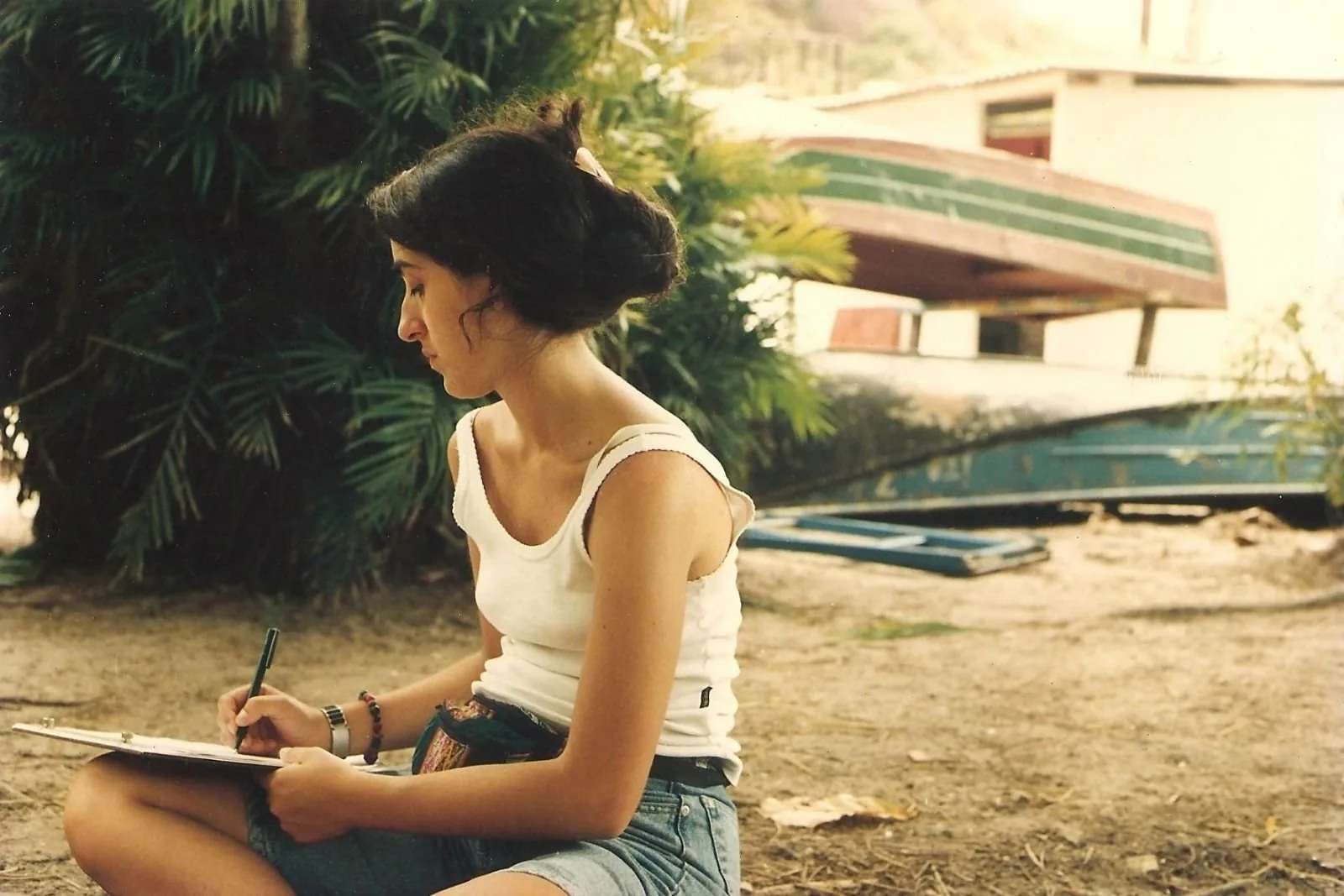
A group of young people organised the 19th National Architecture Students’ Conference in Santos, with the theme ‘Architecture: from the outside’. Spreading out across the neighbourhoods, the students got to know local residents and designed solutions to meet the needs they encountered.
1996
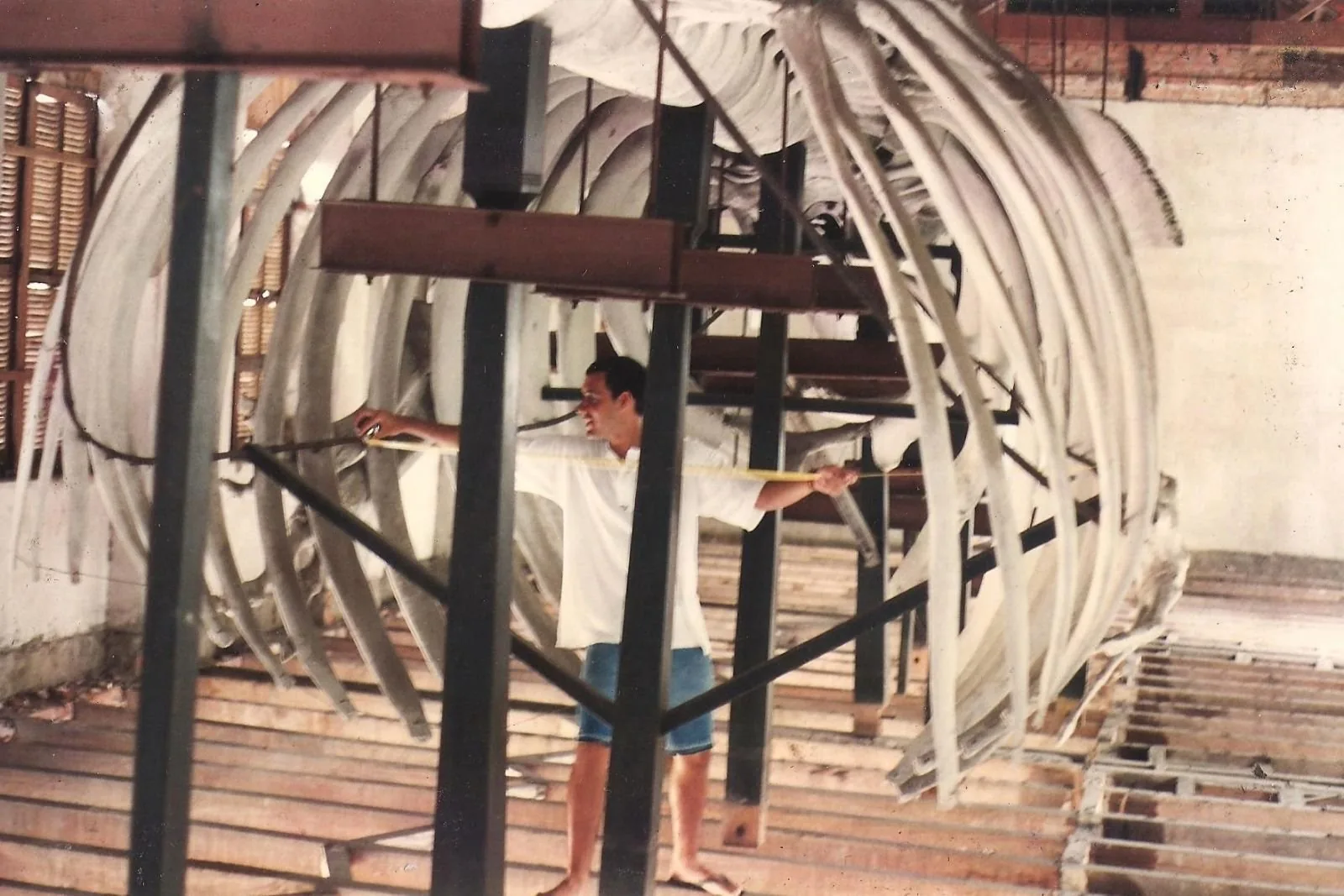
The Fishing Museum
Their first real project came along: to revitalise the Santos Fishing Museum, which had been abandoned for eleven years. It was the first time that the five young people who would go on to found Elos had worked together. They set up the Reviver Group, mobilised hundreds of Santos residents, and the museum reopened in 2000.
1999
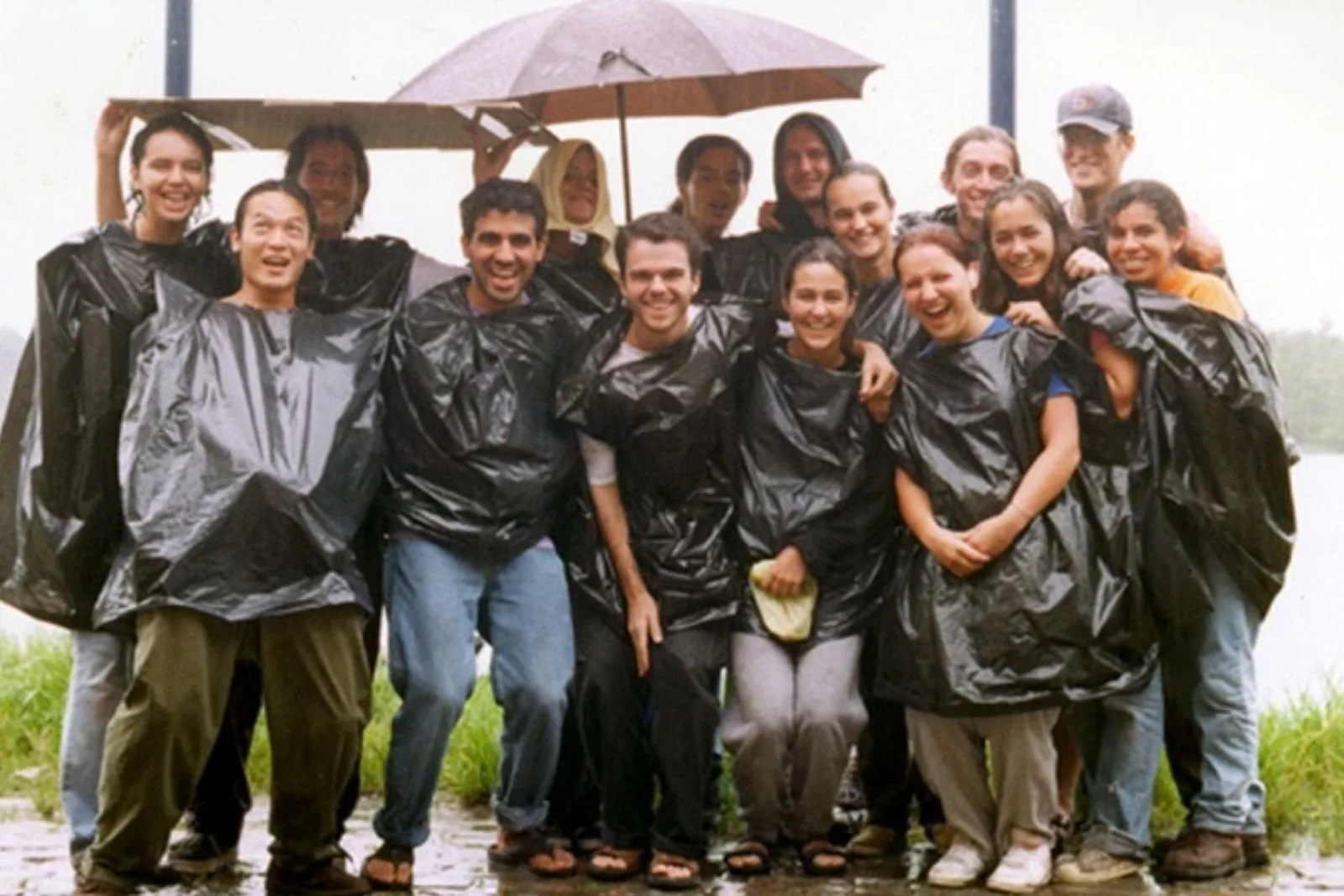
Open Summer University
Sixty young people from seven countries, thirty days, three communities in the Baixada Santista region. That was the approach: identifying potential, listening, and rallying people around a shared dream.
2000
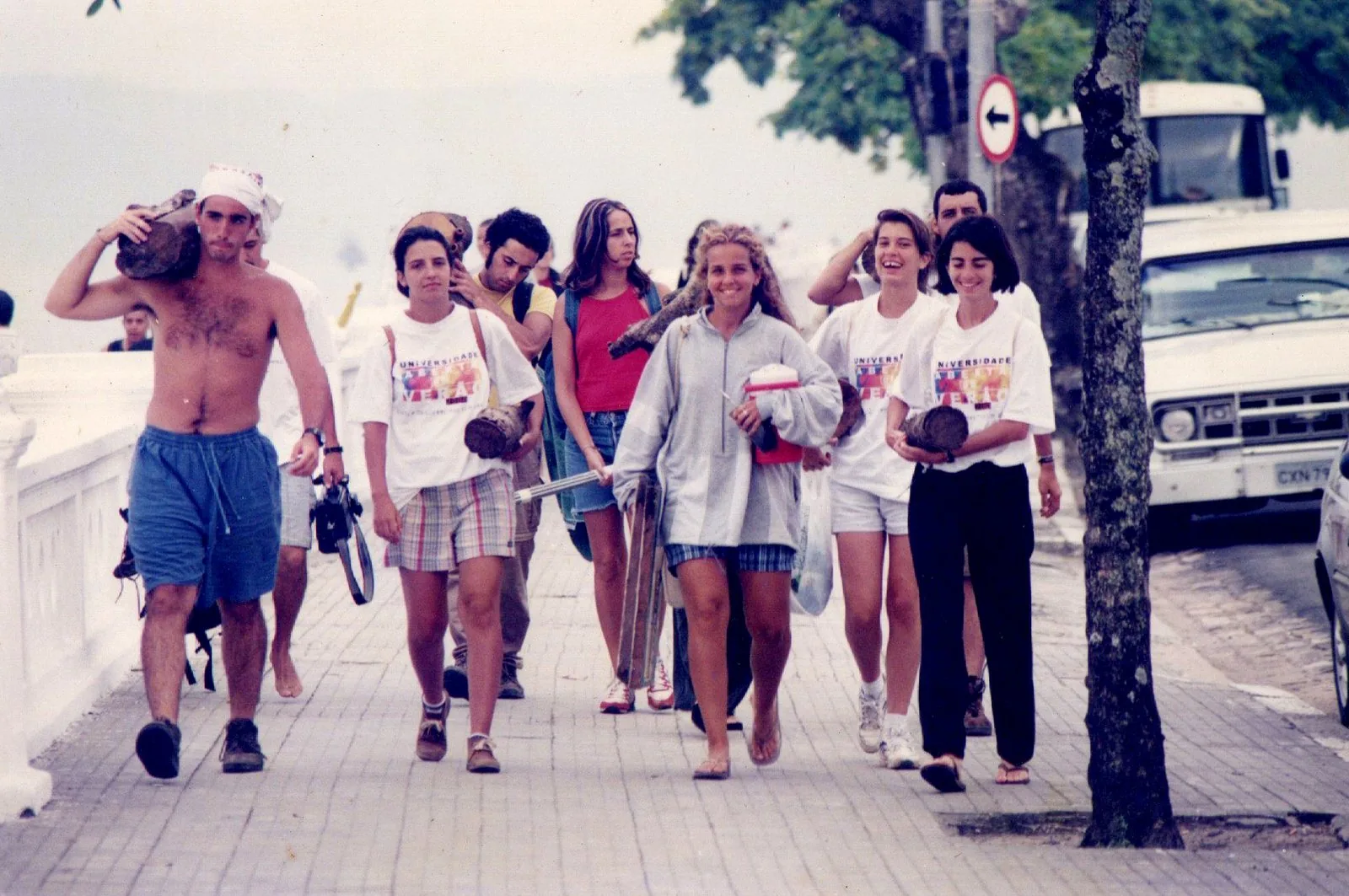
Instituto Elos is launched
The projects were already up and running before the organisation even existed. When the group left university and the outreach office, they needed a way to carry on. In 2000, Instituto Elos was officially established to provide a home for what was already taking place.
2003
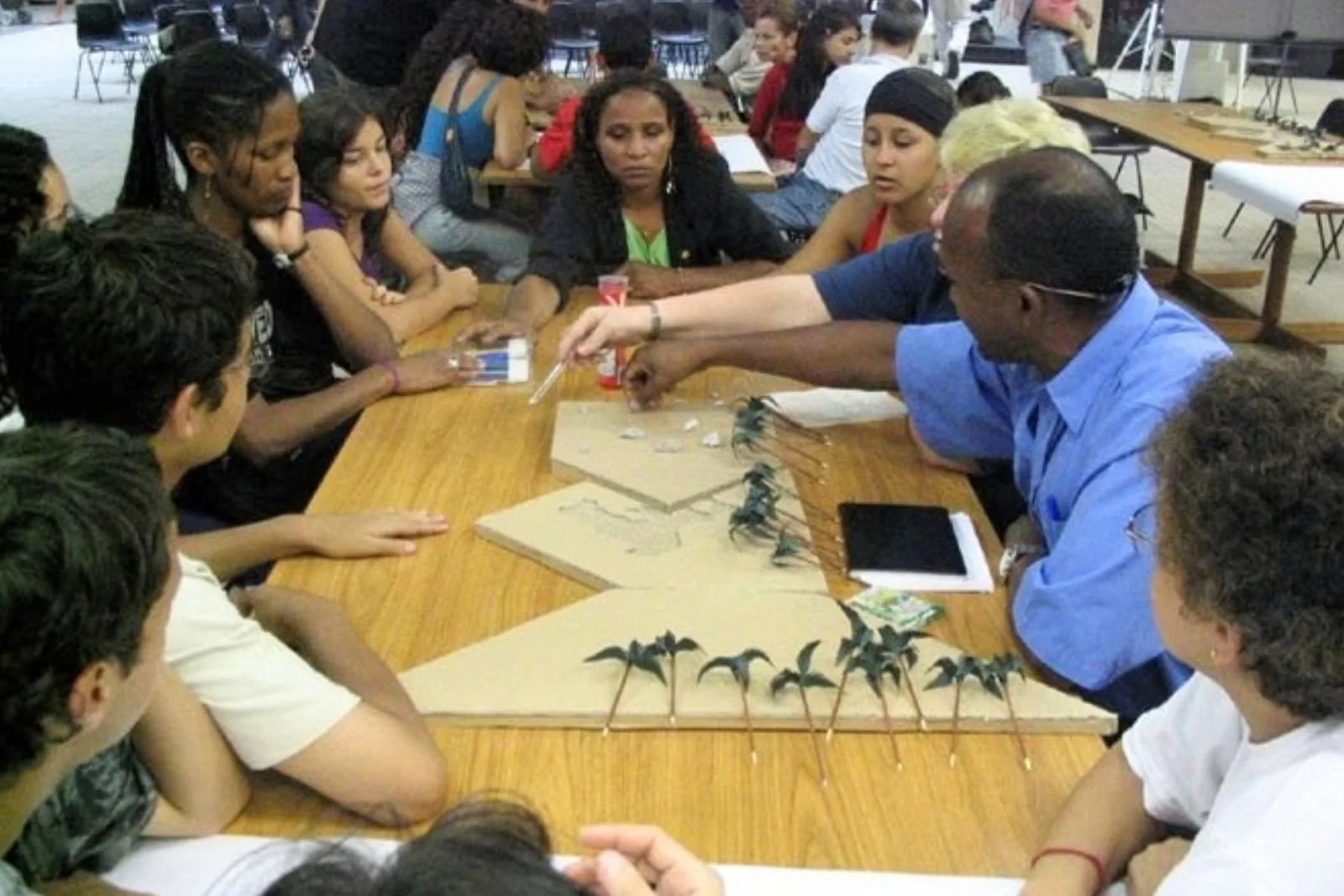
The Oasis Game is launched
The method had already been devised; all that remained was to get the city involved. The first Oasis took place in Santos, in the Paquetá neighbourhood, in collaboration with the Associação dos Cortiços do Centro and SESC Santos.
2005
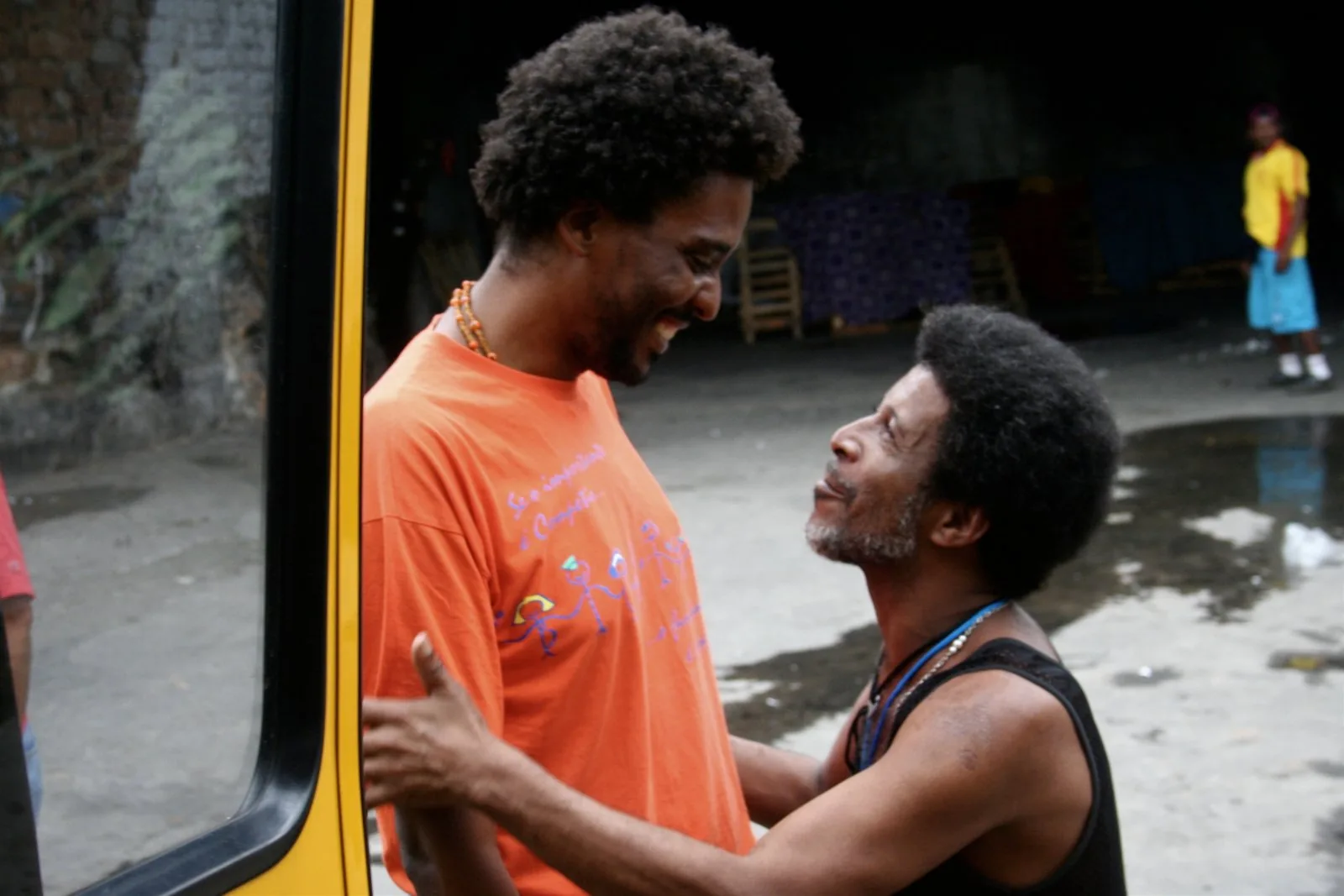
The first international network
One of the founders of Elos has been recognised as an Ashoka Fellow. This is the first international network that Elos has joined.
2007
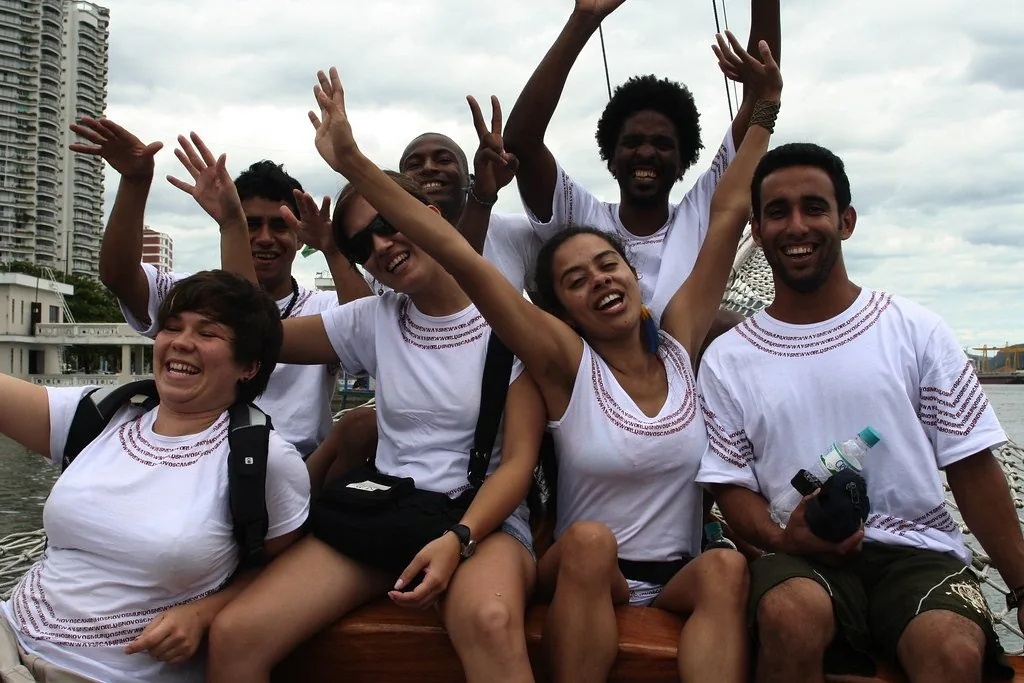
‘Warriors Without Weapons’ opens up to the world
Following its partnership with the Berkana network in 2006, Warriors Without Weapons welcomed participants from outside Latin America for the first time.
2009
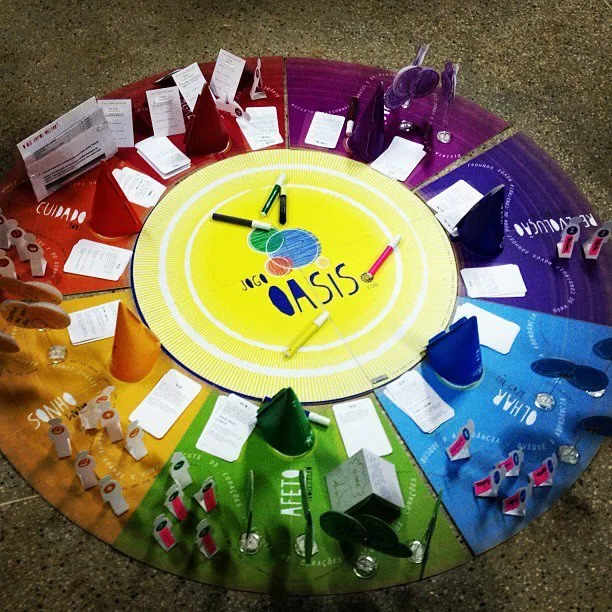
The Oasis Game becomes social technology
The Banco do Brasil Foundation has certified the Oasis Game as a social technology. In the same year, Oasis Santa Catarina took the method to towns affected by an environmental disaster, and this led to the creation of the Oasis Mundo network.
2010
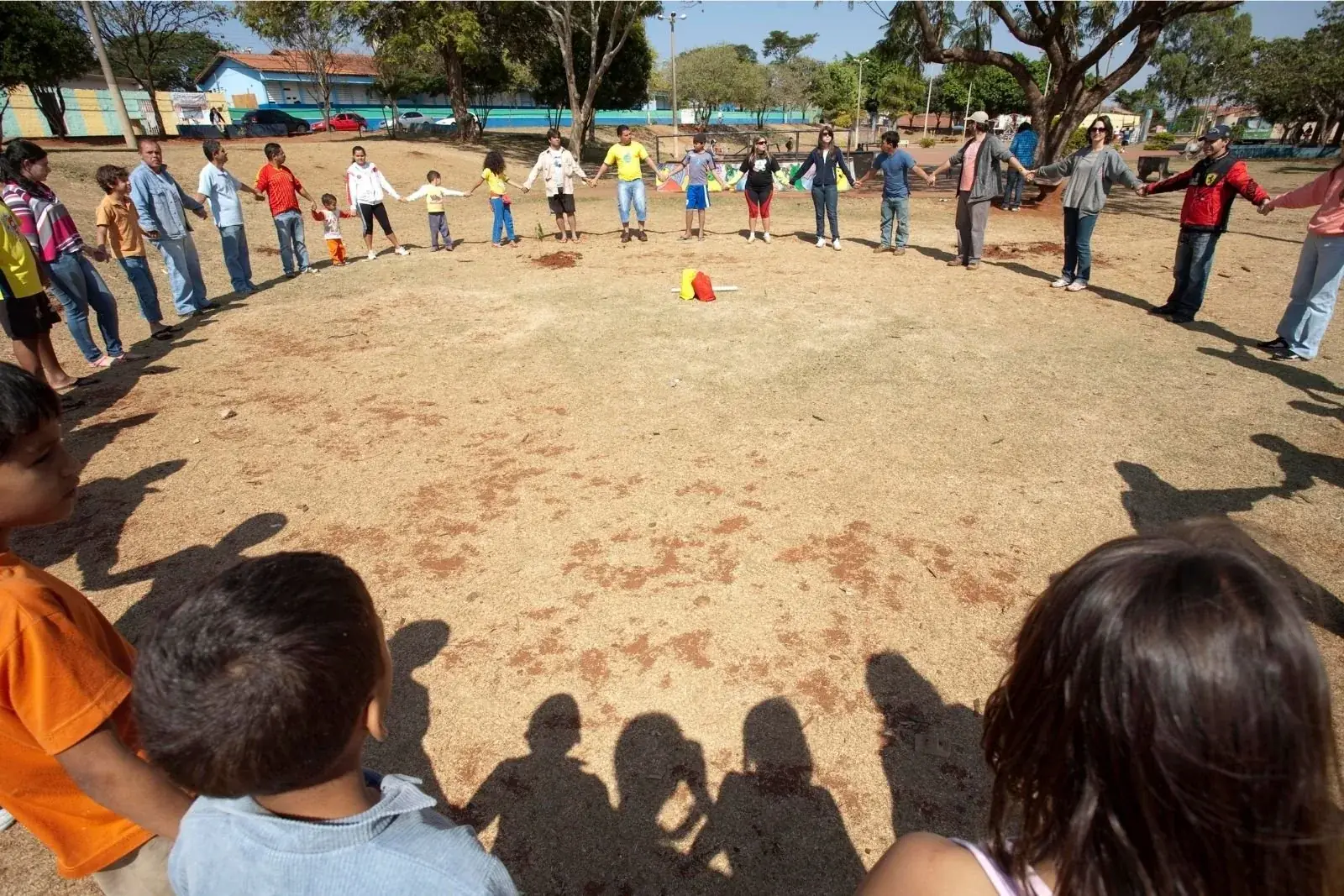
The method becomes public policy
In partnership with the Ministry of Culture, the Elos Methodology is rolled out across the Mais Cultura programme in 17 states. In the same year, cooperation with Guinea-Bissau begins through the Brazilian Cooperation Agency, a partnership that lasted for over ten years. In 2011, the first programmes with UN agencies are launched.
2012
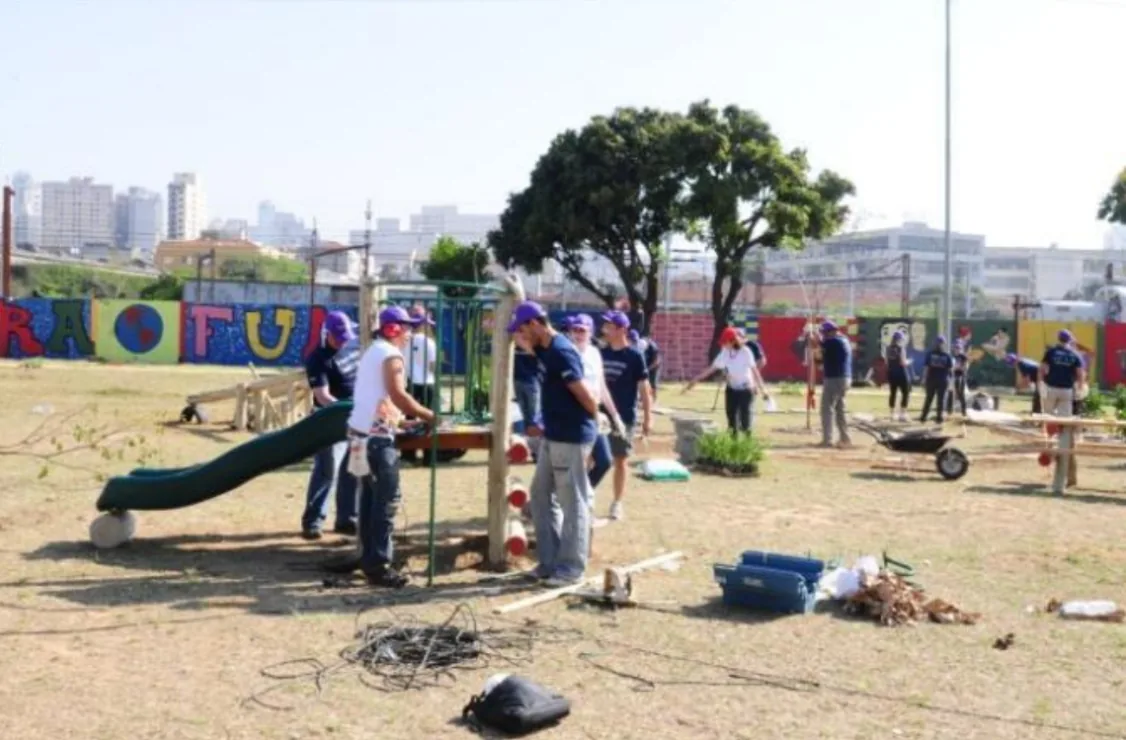
The largest community effort in our history
There are 2,500 Telefônica volunteers at five locations in Barra Funda, São Paulo. It also marks the start of work within companies, through volunteering programmes.
2013
The School of Transformation is launched
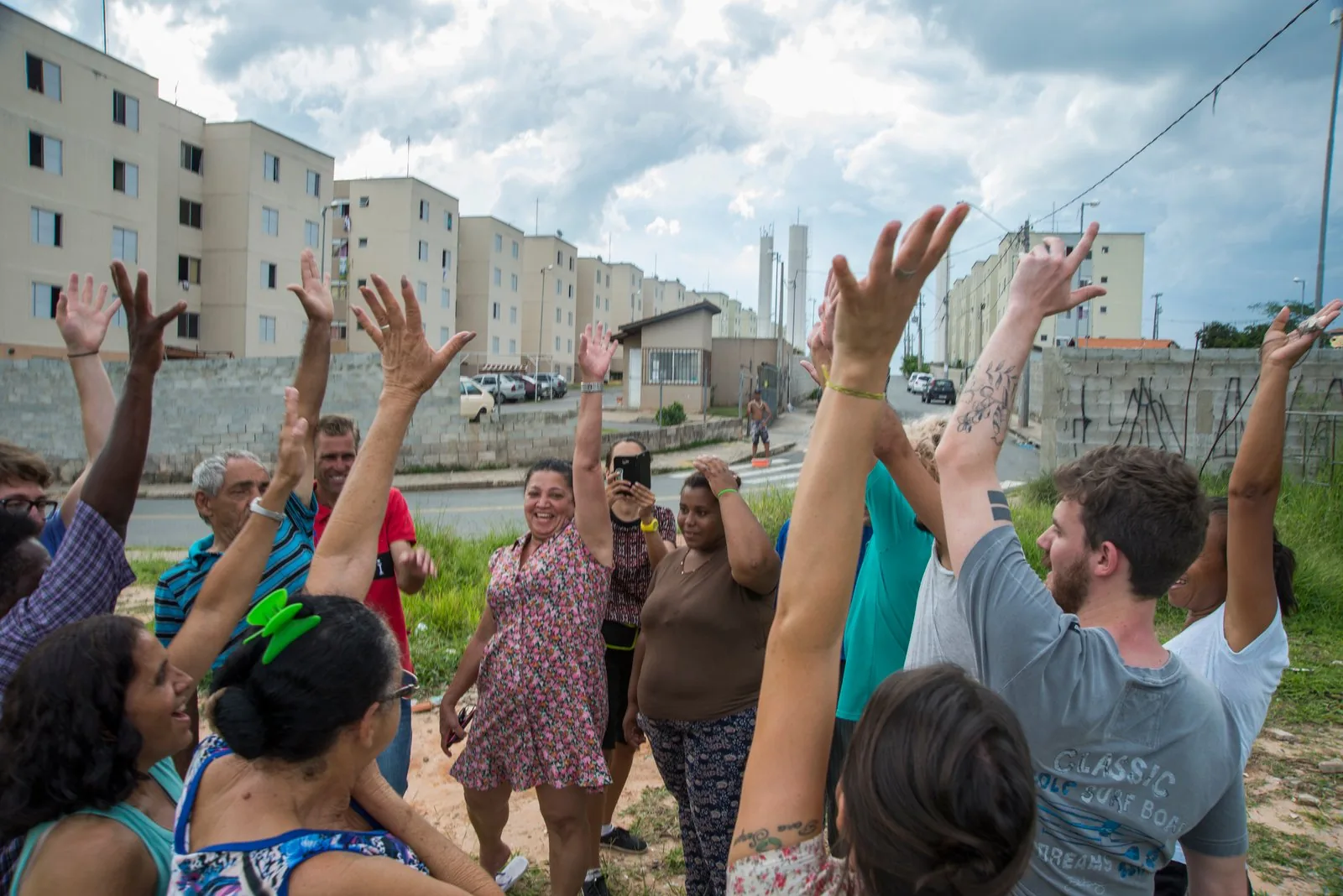
With support from Caixa’s Socio-Environmental Fund, Elos is, for the first time, organising all its community development work into a single programme, within social housing estates. This is where the School of Transformation comes from.
2019
Rio Doce’s Future
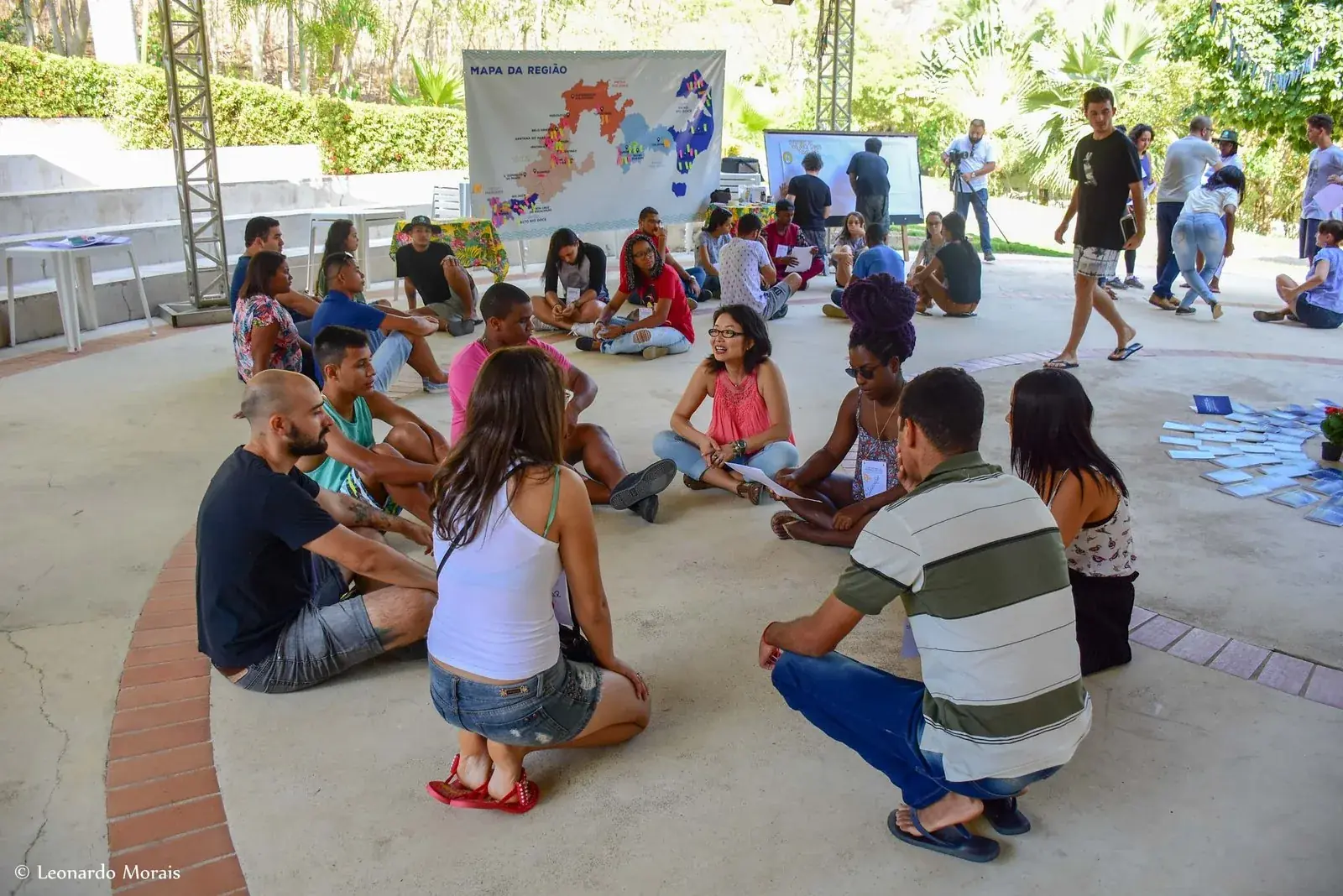
Following the collapse of the Fundão dam in Mariana, Elos has adapted the School of Transformation to the context of an environmental disaster and is leading a participatory process with young people from the affected towns to envisage a path to recovery.
2022
The network of warriors meets once again
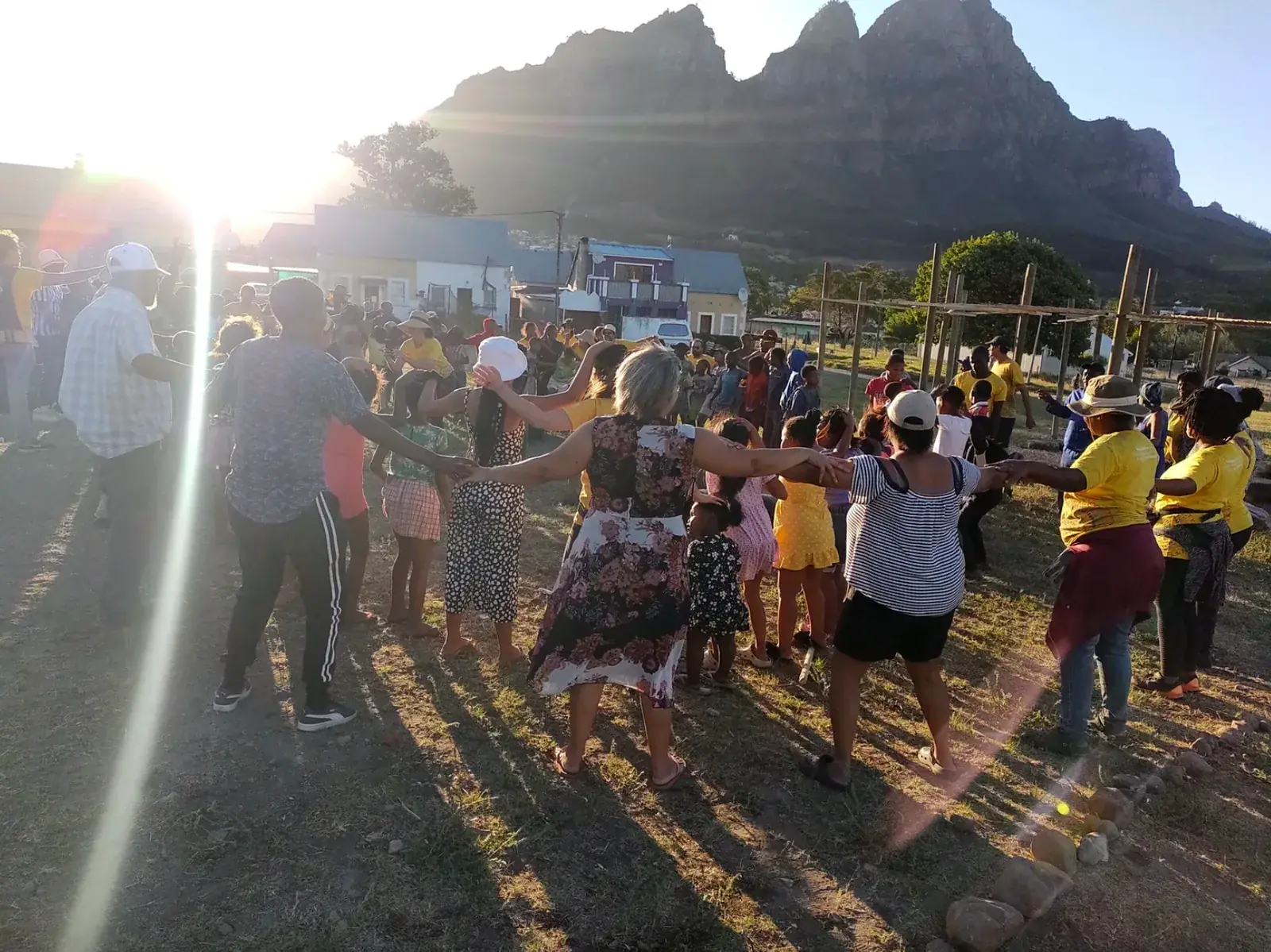
For the third time, *Warriors Without Weapons* is bringing together former participants: one series in July, in Brazil, and another in November, in South Africa.
2023
The GSA reaches its teenage years
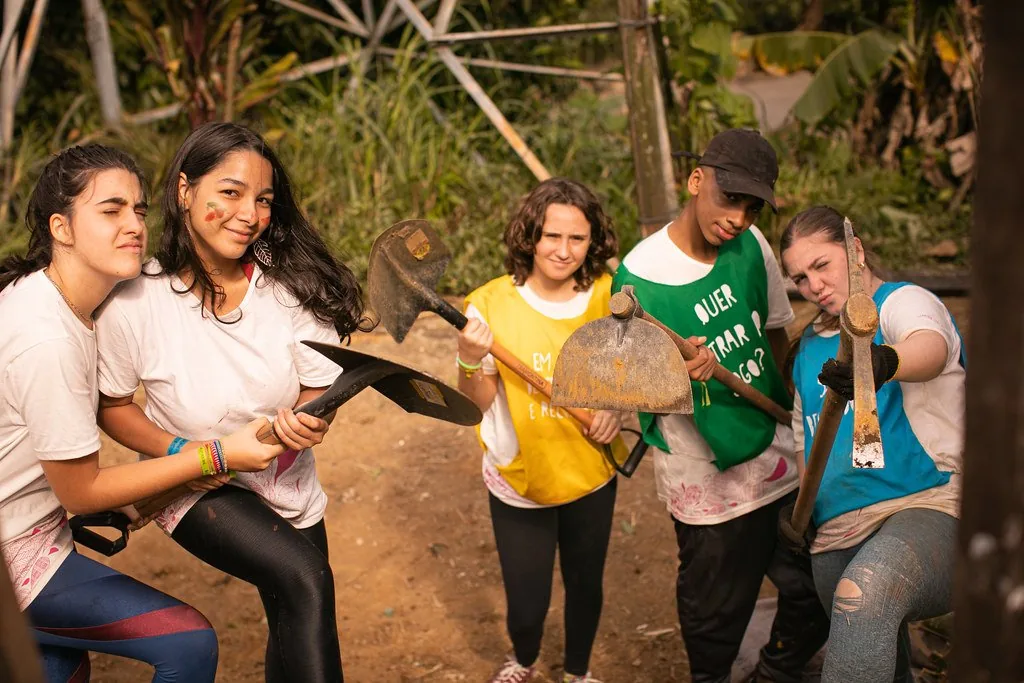
Following the first project with teenagers in Vila dos Pescadores, Geração GSA was launched, bringing the Warriors Without Weapons programme to young people aged 14 to 17.
It’s worth dreaming big when, together, we discover a great capacity to make things happen.
Acknowledgements
Acknowledgement.
The work has already been recognised both at home and abroad.
Eliasson Global Leadership Award, Tällberg Foundation

‘Best NGOs 2023’ Award
The Zumbi dos Palmares Award

Human Rights Organisation

Social Technology, Banco do Brasil Foundation

Who leads it?
The person responsible for Elos is on the Board.
The advisory board, the audit committee, the executive board and the management team, including their names, positions and the decisions taken by each body.
Anyone who has ever placed a bet on Elos.
Foundations, companies, governments and international organisations.












How we report our accounts.
Elos has been publishing an activity report since 2012 and has undergone an external financial audit every year since 2015, without interruption.
The financial statements, the articles of association, the minutes of the election and the approval of the accounts, and the five regulatory guidelines governing procurement, internal procedures, expenditure, ethics and conduct, and equity, diversity and inclusion have also been published.
All of this is on a single page, which is open to everyone and doesn’t require you to register.
Find out how to support Elos.
Philanthropy funds the part of the work that no contract can buy: training, a long-term presence in areas where there is no one to pay for it, and the time spent listening that cannot be squeezed into a schedule.