
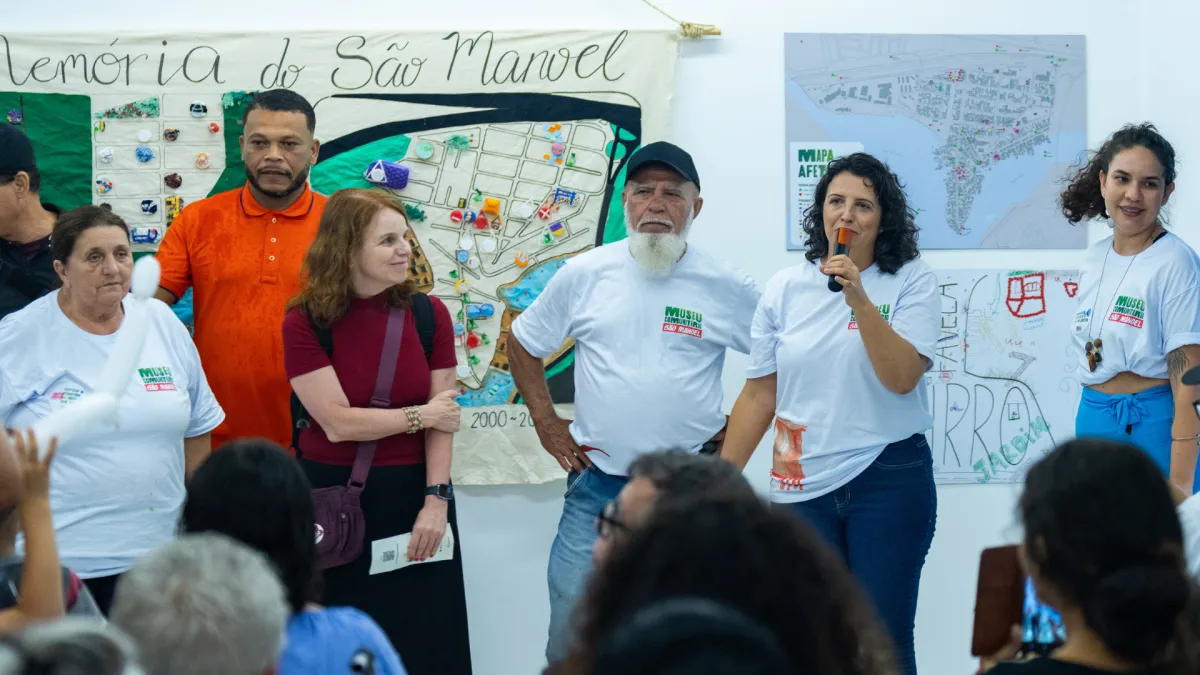
photo by Paulo Pereira
- Home
- Territorial development
Educating a person changes a life. Developing leadership and bringing a community together shapes collective dreams and transforms the local area.
Elos works within local communities to ensure that people’s individual capabilities are transformed into collective capabilities: recognised assets, strengthened ties, jointly developed plans and sustainable initiatives led by local residents.
Territorial development within the Elos Methodology
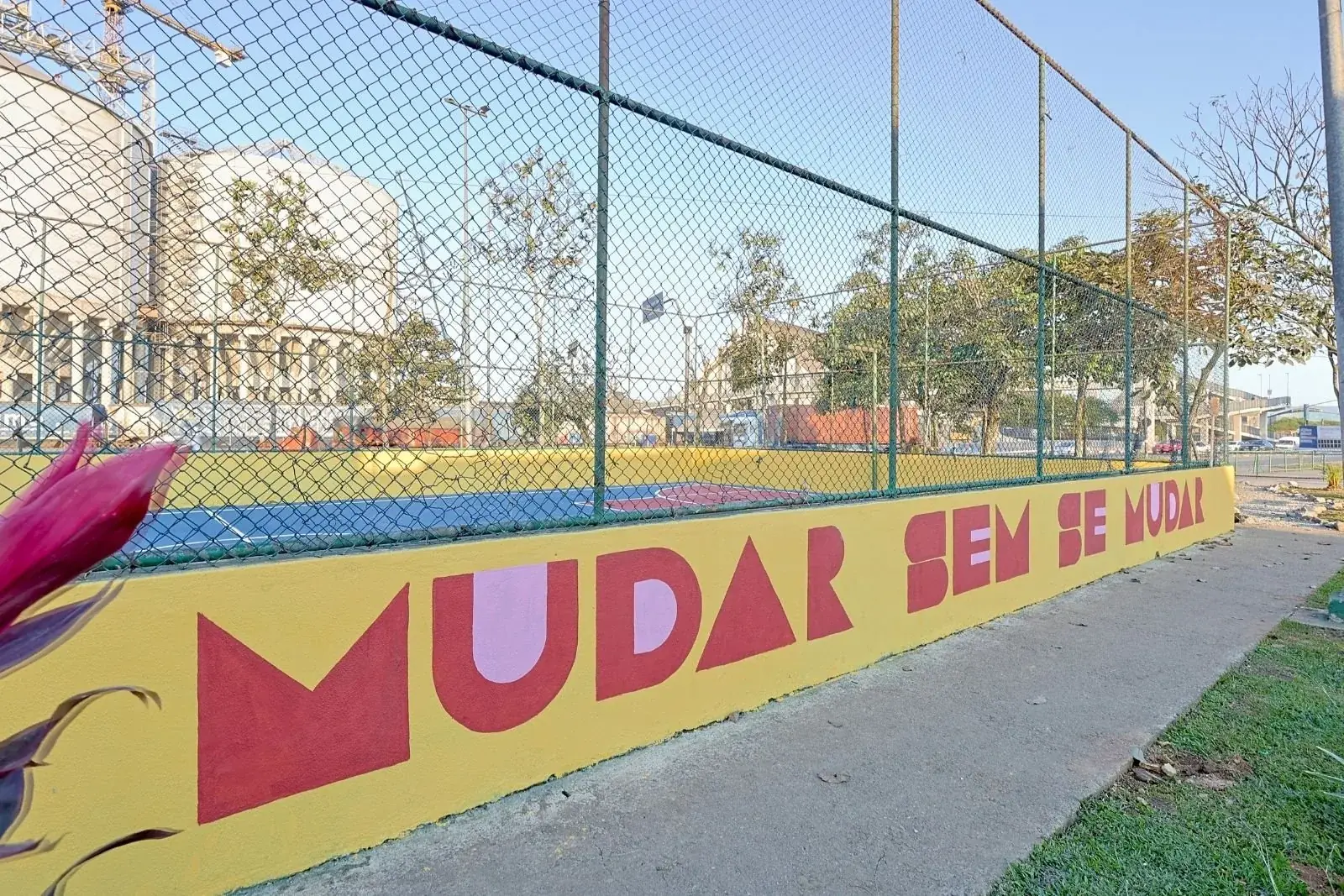
The square is the starting point.
The key is the community realising that it has strength.
The aim is to fight for a collective dream, one she has chosen herself.
Social projects tend to be delivered ready-made: someone from outside chooses the project, commissions it and hands it over. The local community receives facilities it didn’t ask for, and which nobody takes responsibility for afterwards.
The Elos Methodology takes a different approach: physical intervention is the result of a process of mobilisation, planning and shared implementation.
The square is the driving force: in three days, it shows that transformation lies in the hands of those who live there. What the community gains is the ability to choose its next dream and to pursue it: the community organisation that starts functioning again, the people who learn to write a letter of application and to try again after a rejection, the neighbourhood that now takes its place at the tables where its own future is decided.
That’s how it goes.
Three movements that are repeated in every territory, at their own pace. They are the same three that the Elos Methodology fosters in people, now applied to an entire place.
01 · Potential
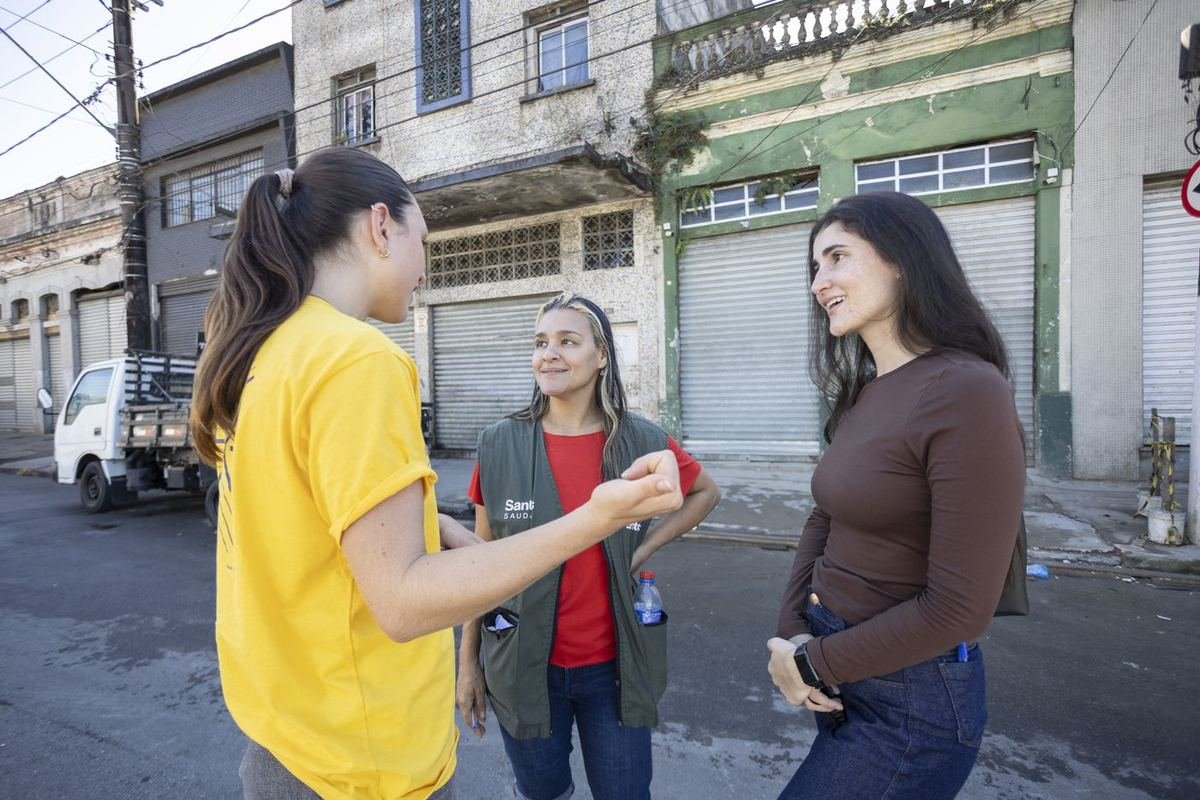
Recognise what already exists.
Every area is typically described in terms of what is missing. The work begins by turning this on its head: an assessment carried out with, and by, the people who live there. Who are the leaders? What initiatives are already up and running? What spaces, knowledge, organisations, networks and resources exist that are not recorded in any public database?
02 · Belonging
Enough trust to work together.
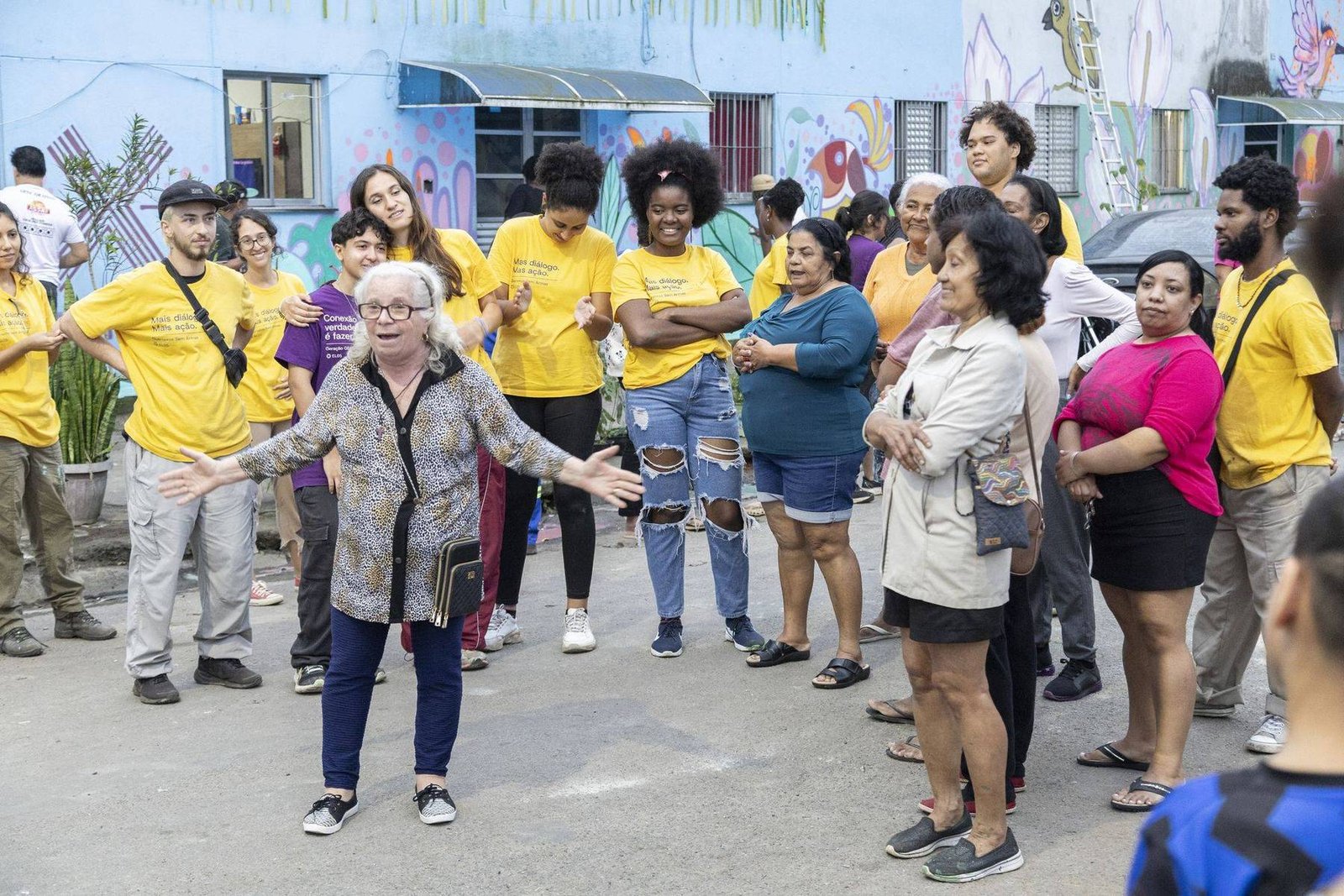
Experiences and encounters that foster mutual recognition amongst people who shared the same space without noticing one another. Listening circles to find out what the neighbourhood wants. This leads to an agenda drawn up by the community, and the first tangible result, which is when the local area sees things actually happening.
03 · Leading Role
Front organisations led by insiders.
Training for local representatives in social participation, public policy and advocacy. Networks and forums that continue to exist. Clear governance regarding who decides what. And the community sitting round the table with the local council, the university, businesses and funders.
The diversity of dreams
Every territory dreams of something. None of them stop at their first dream.
Elos does not simply turn up with a ready-made solution. What emerges from each location depends on its own character, and almost always paves the way for the next one. In every case, Elos has provided training and technical support; what you see here has been built and continues to be run by the local residents.
Jardim São Manoel · Santos
They dreamt of a vegetable garden
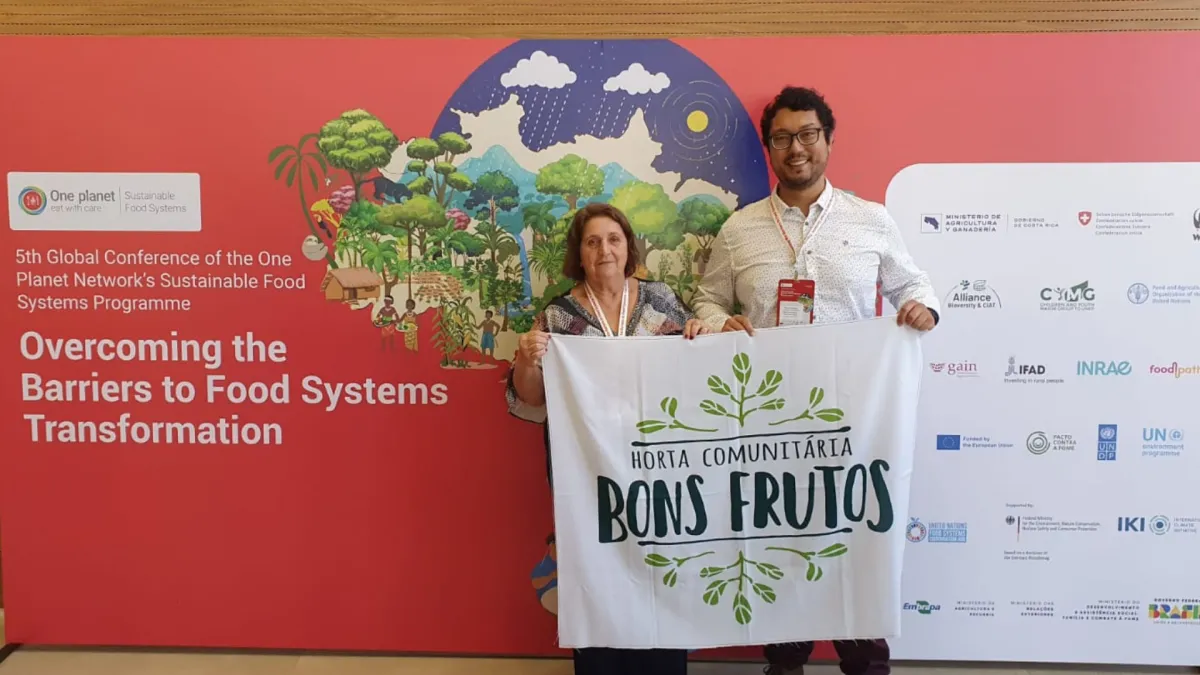
It left the community project in 2014 and became land cultivated by many people. In 2025, Horta Bons Frutos received a national award as a leading example of urban agriculture, providing food, a meeting place and an income for the neighbourhood. And the same group dreamt again: in October, the first community museum dedicated to a suburb in the Baixada region was established.
Dique da Vila Gilda · Santos
They dreamt of a nursery
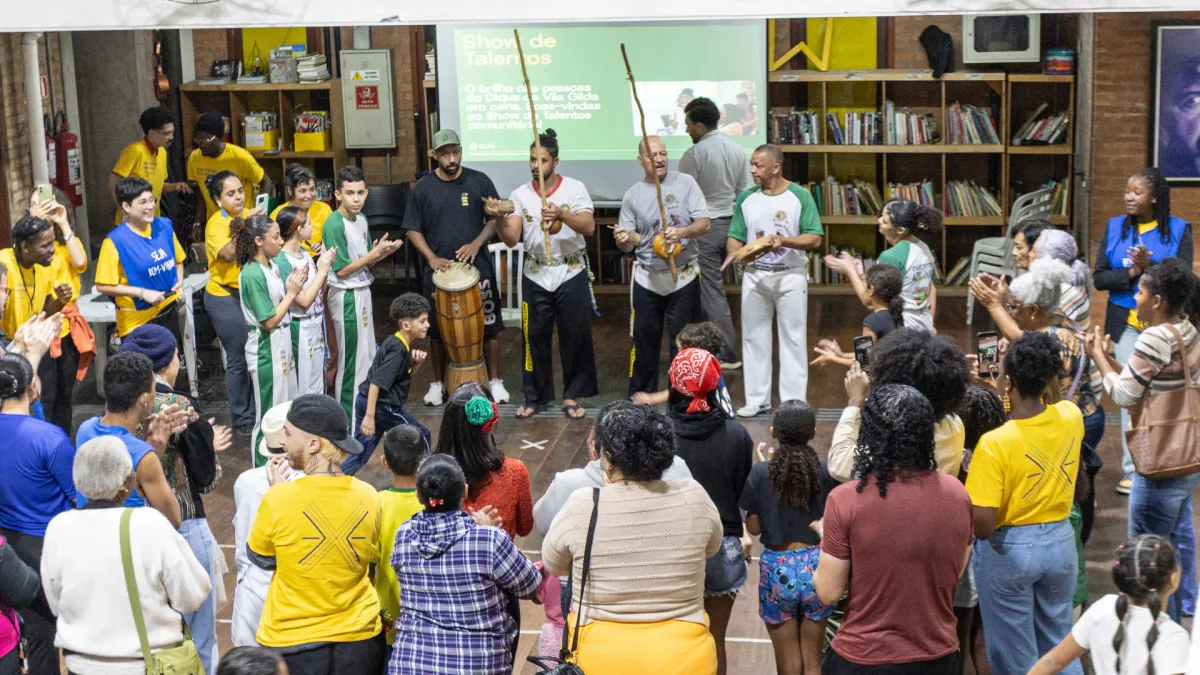
In 1999, three days of community effort. The nursery grew, and from the same group emerged the Instituto Arte no Dique, now a national benchmark in art, culture and education. In 2026, with the fires returning, the neighbourhood sought protection and set up its own fire prevention system, complete with sirens and fire brigade members trained locally.
Paquetá · Santos
They dreamt of a house
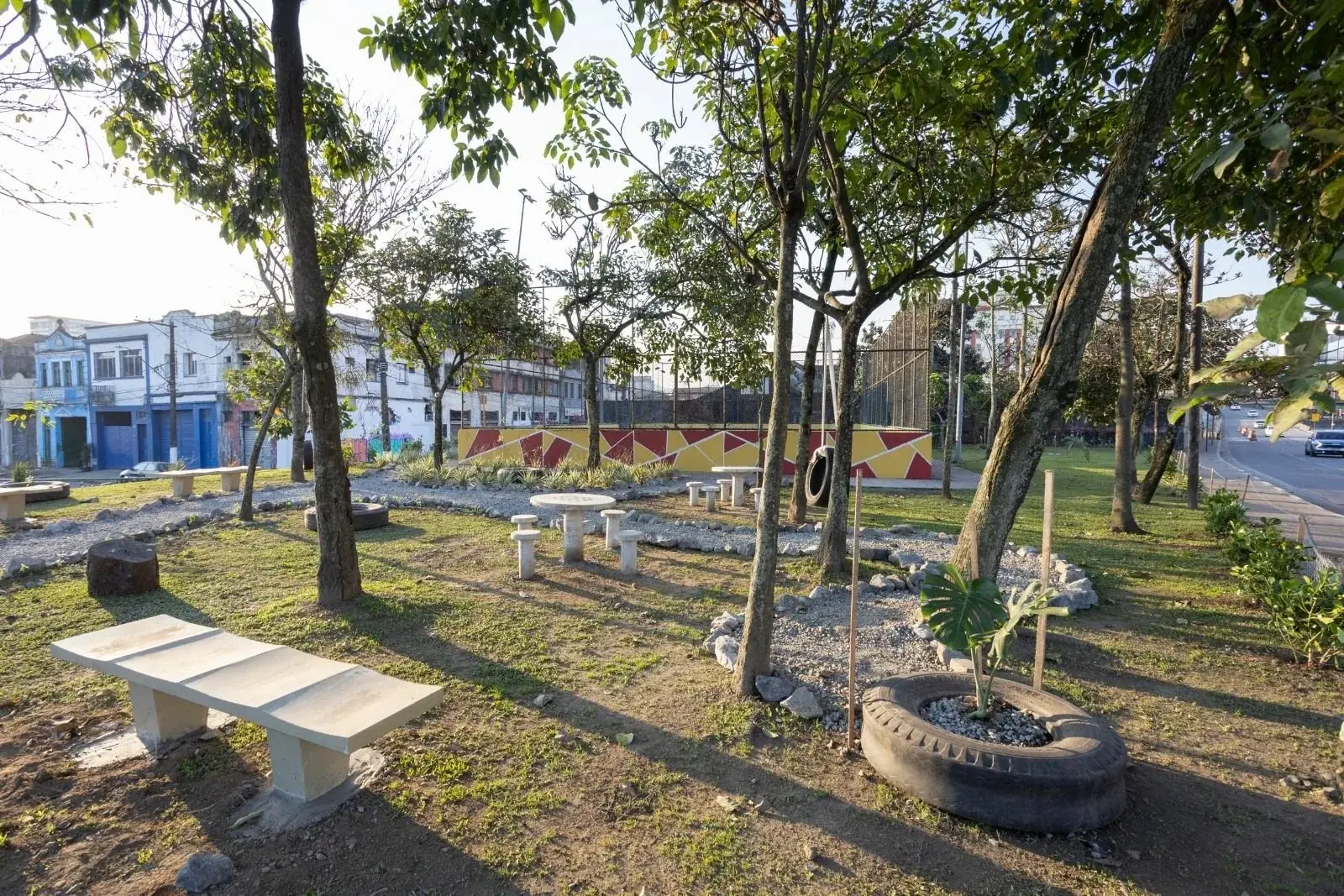
The square came first, and with it the youth groups and income-generating schemes. The children, who attended the meetings reluctantly, learnt to write formal letters, to accept rejection and to defend their own proposals. When work on the 113 units came to a halt due to a lack of public funding, the families set up committees and carried on.
Conceiçãozinha Farm · Guarujá
They dreamt of putting rubbish to good use
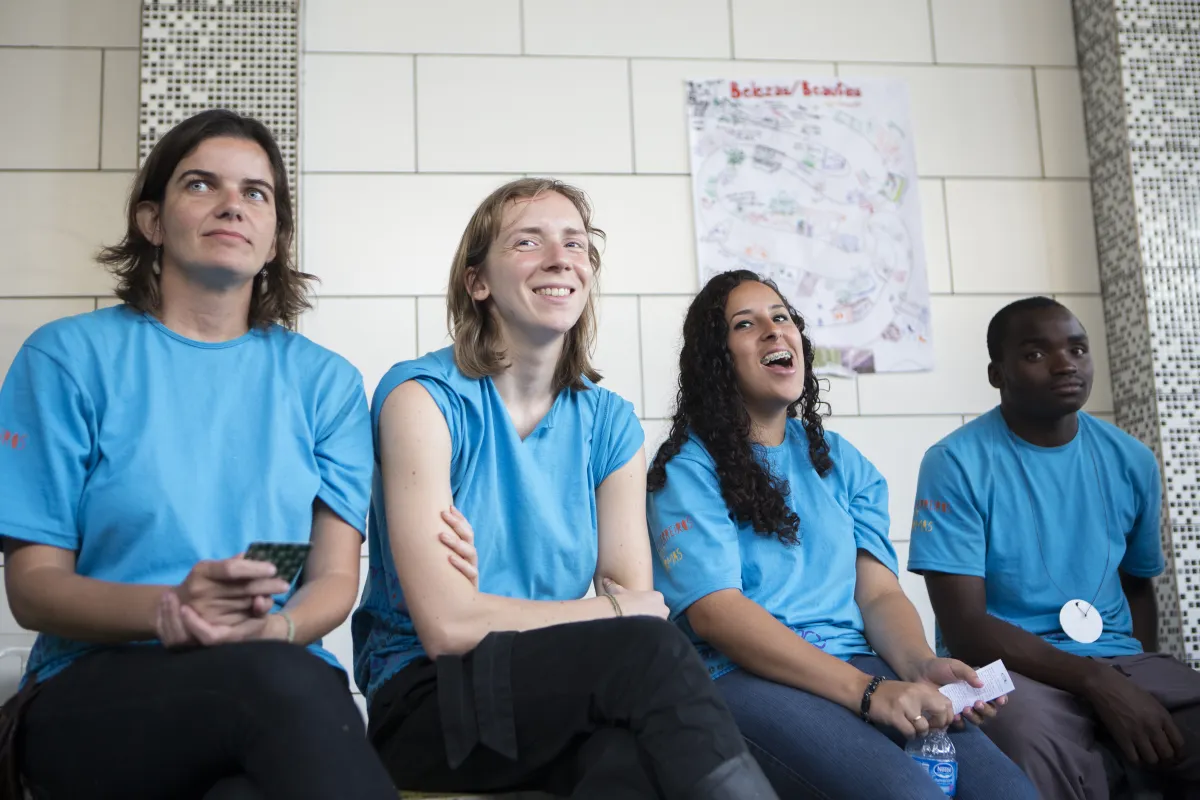
Eco-munidade currently removes more than one tonne of plastic from the environment every month. This waste is turned into a resource that benefits more than a hundred families, providing food security and socio-environmental workshops.
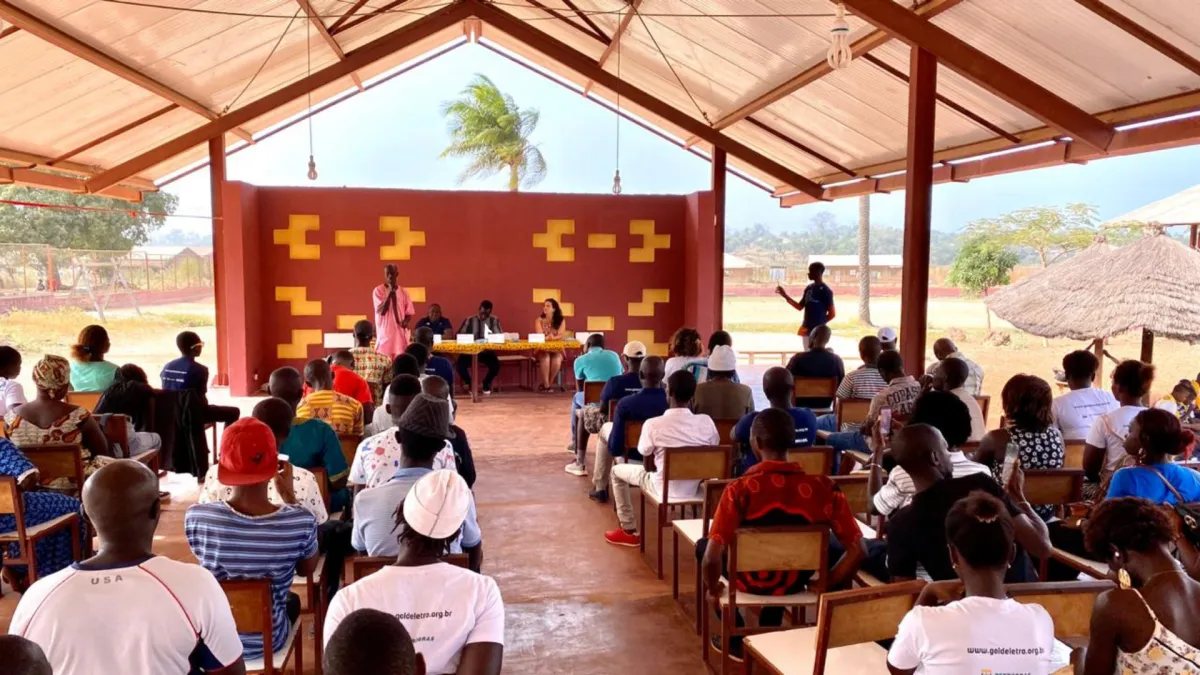
Bissau · Guinea-Bissau
They dreamt of a school
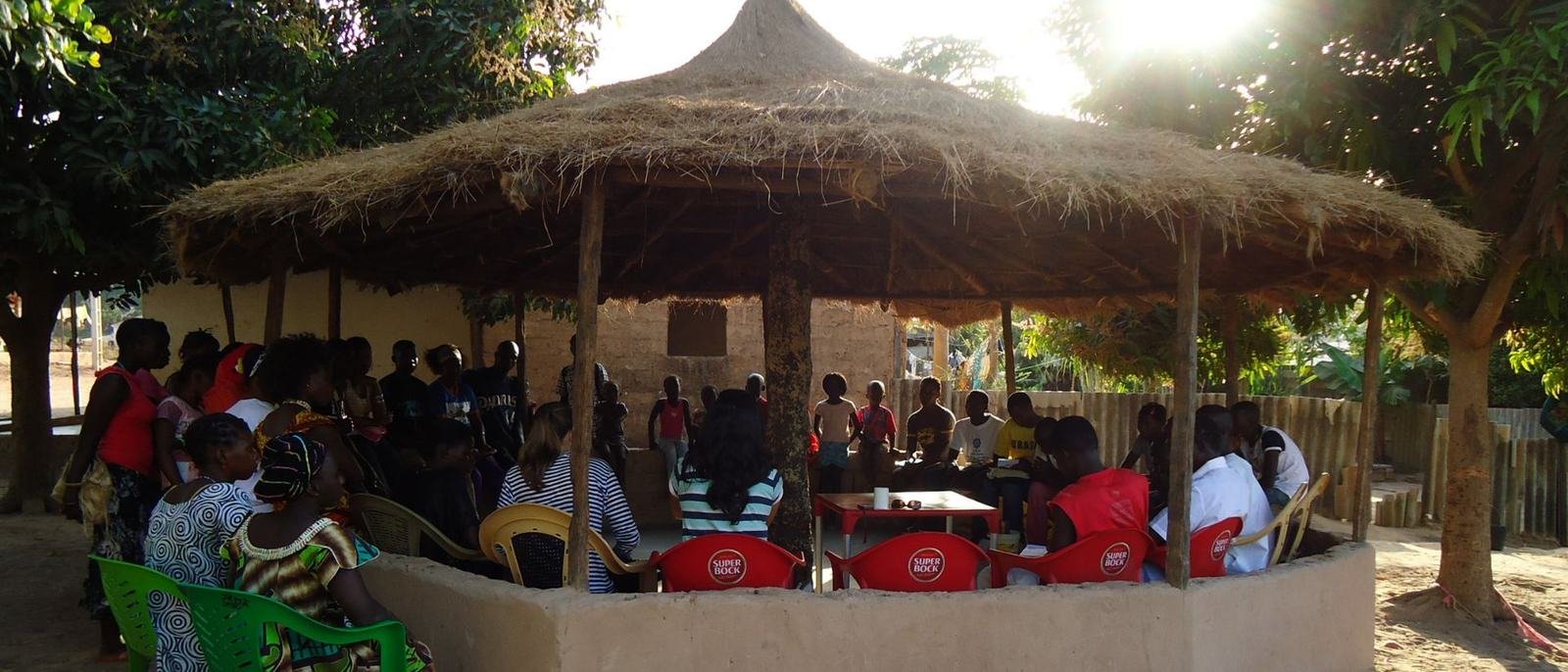
It has been running for over ten years, managed by educators trained in the methodology. The game of awale has become a way of promoting traditional culture, and the country has set up a federation that now organises national tournaments.
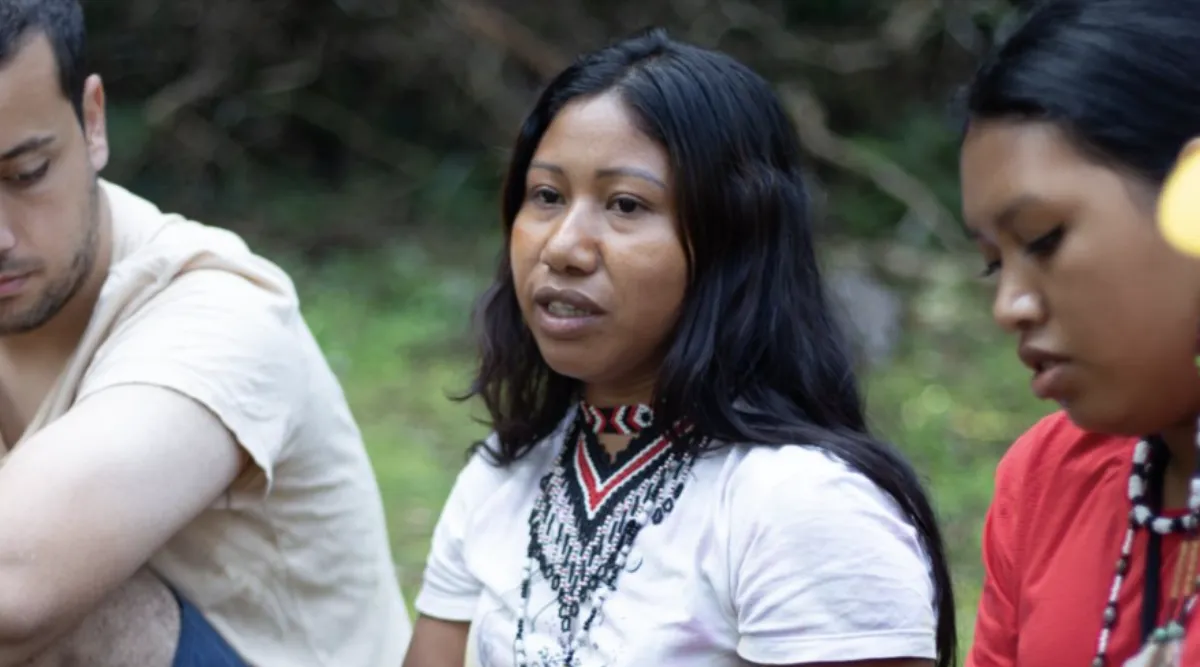
Tekoa Pyau · Jaraguá Peak
They dream of the demarcation
A Guarani Mbya leader gained from the training a new understanding of their own role and the village’s potential, as well as the tools to continue the struggle for the demarcation of their territory, which remains unresolved.
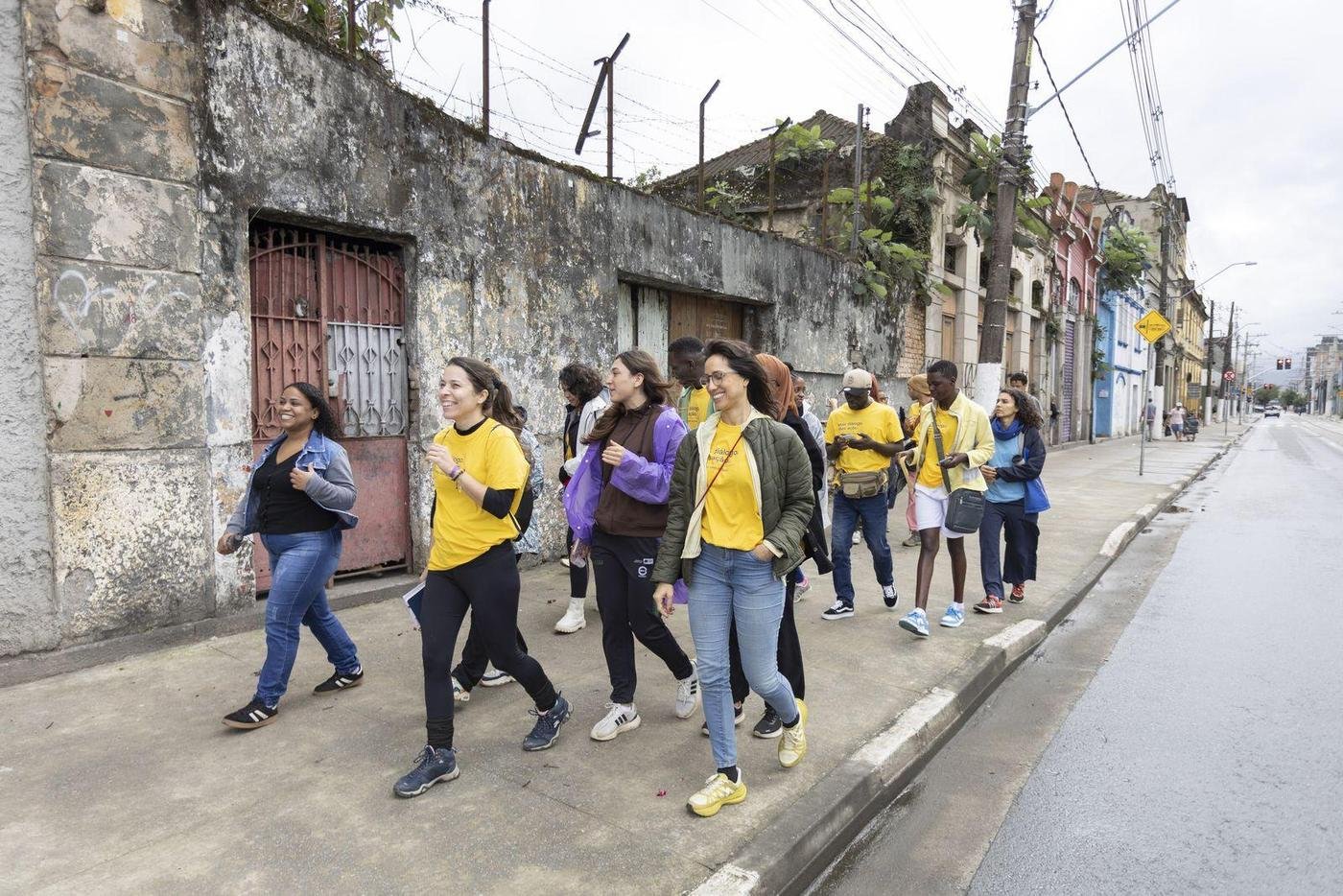
Along the railway line · Baixada Santista
They dreamt of being heard
Communities that had previously been critical of the railway have now become partners. During a land repossession process, there were four joint conciliation efforts, more than eighty hearings and thirteen out-of-court settlements, with Artesp, Ecovias and local councils at the negotiating table.
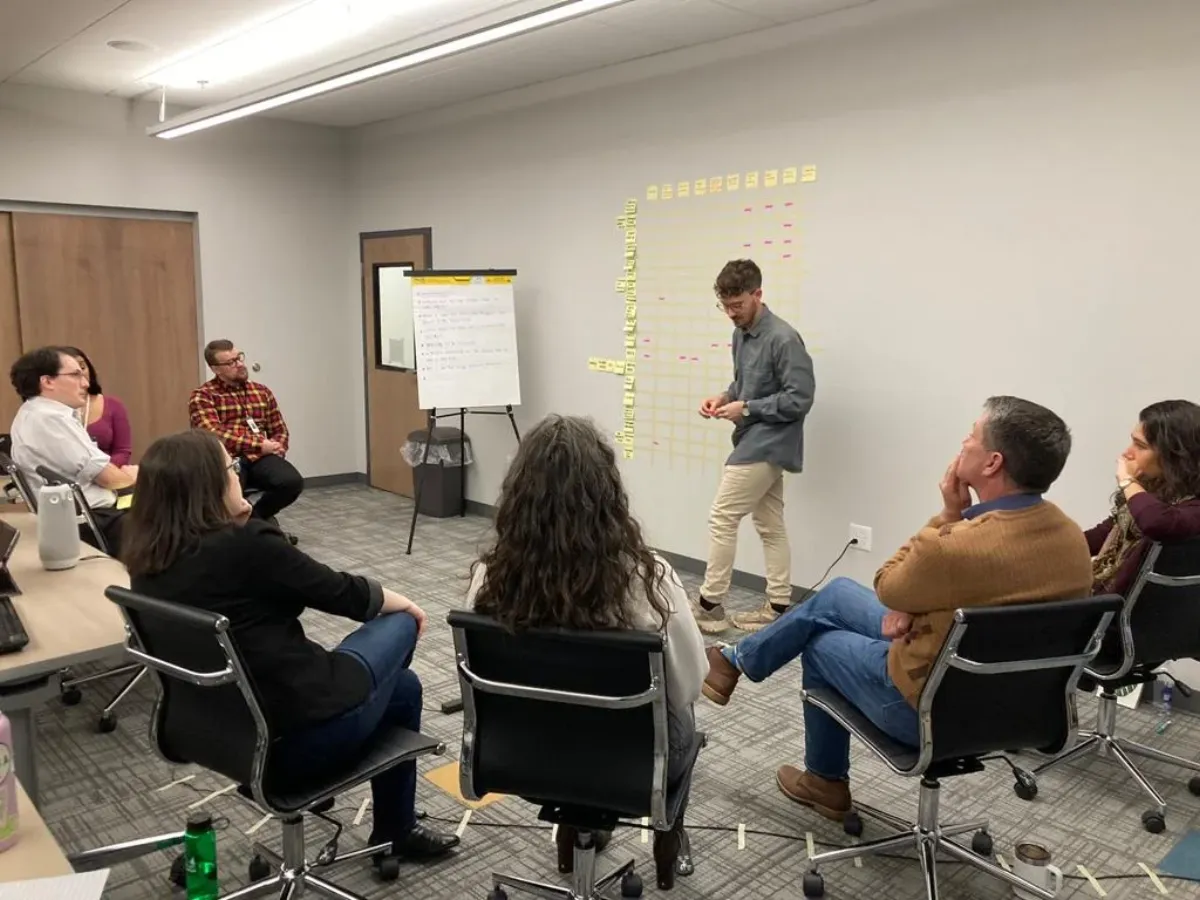
Lynnwood · United States
They dreamt of a house too
Following consultations with local residents, including those who were opposed to the proposal, the town council approved, by six votes to one, the amendment to the planning regulations that paved the way for the expansion of social housing.
What Elos does in a region.
Not every area covers everything. The scope of each programme determines how far the work extends.
Participatory territorial analysis
Mapping of capacities, leaders, initiatives, organisations, networks, spaces, resources and challenges, carried out in collaboration with the community.
Experiences and mobilisation
Community gatherings that foster mutual recognition, a sense of belonging, trust and participation.
Listening and prioritisation
Spaces for dialogue to identify common themes, aspirations, needs and opportunities, and to decide what takes priority.
Agendas and territorial plans
A participatory process for drawing up guidelines that set out priorities and opportunities for collective action.
Support for community initiatives
To identify, select and monitor initiatives that are in line with the region’s priorities.
Mentoring and technical advice
Planning, management, budgeting, governance, resource mobilisation and implementation.
Direct funding
Where provided for in the programme design, financial resources, seed funding or calls for proposals for local initiatives.
Strengthening organisations
Institutional, strategic and, where appropriate, physical support: infrastructure, resources, premises.
Training of local officers
Community leaders and representatives in the fields of social participation, coordination, governance, public policy and advocacy.
Establishment of networks and forums
Working groups, coalitions and other coordination bodies that continue to operate after the cycle has ended.
Coordination with decision-makers
Communities and organisations linked to public authorities, universities, businesses, funders and social movements.
Exchanges between regions
Visits, festivals and gatherings to ensure that a solution that has worked in one place reaches those who need it elsewhere.
Stories of transformation
Three territories, counted in full.
Each case distinguishes between what Elos has led and what the community has built.
1 of 3
Jardim São Manoel
The Bons Frutos Allotment was established through a community effort in 2014 and, in 2025, received a national award as a leading example of urban agriculture, providing food and an income for the neighbourhood. In the same year, the community set its sights on a new venture and opened the first community museum dedicated to a suburb in the Baixada region.
2 of 3
Dique da Vila Gilda
A nursery built through a community effort in 1999 became the Instituto Arte no Dique, now a national benchmark. Twenty-six years later, the same community set up its own fire prevention system, complete with sirens and fire brigade members trained in the neighbourhood.
3 out of 3
Paquetá
Twenty years in the centre of Santos, where the Oasis Game was first formalised. The young people who attended the meetings reluctantly learnt to write letters and defend their own proposals, and the fight for housing continued through committees set up by the families.
If there is a grey area in your decision, start with a conversation.
As well as implementing the project, Elos carries out the needs assessment, community consultation, co-creation, investment planning and the governance framework that underpins it.
Foundations and institutes
Who invest in regional development and need that investment to remain in place after the cycle.
Companies operating in the community
Who live within or alongside a territory and need a relationship that is not dependent on a crisis.
Banks and development agencies
Who fund infrastructure and want it to be used and looked after by the people who live there.
Local and regional authorities
That they need public policy developed in collaboration with the public, rather than simply presented to them.
Social investment departments
They want to move away from ad hoc sponsorship towards a well-thought-out regional strategy.
International cooperation
It seeks a method that has been tried and tested in different contexts, from Brazil to Guinea-Bissau.