- Home
- Methodology
What is the Elos Methodology?
A social technology and a participatory methodology for collective action. A replicable method that has been used for over 25 years in more than 60 countries, both by those who want to learn how to lead and by those who need to hire someone who knows how.
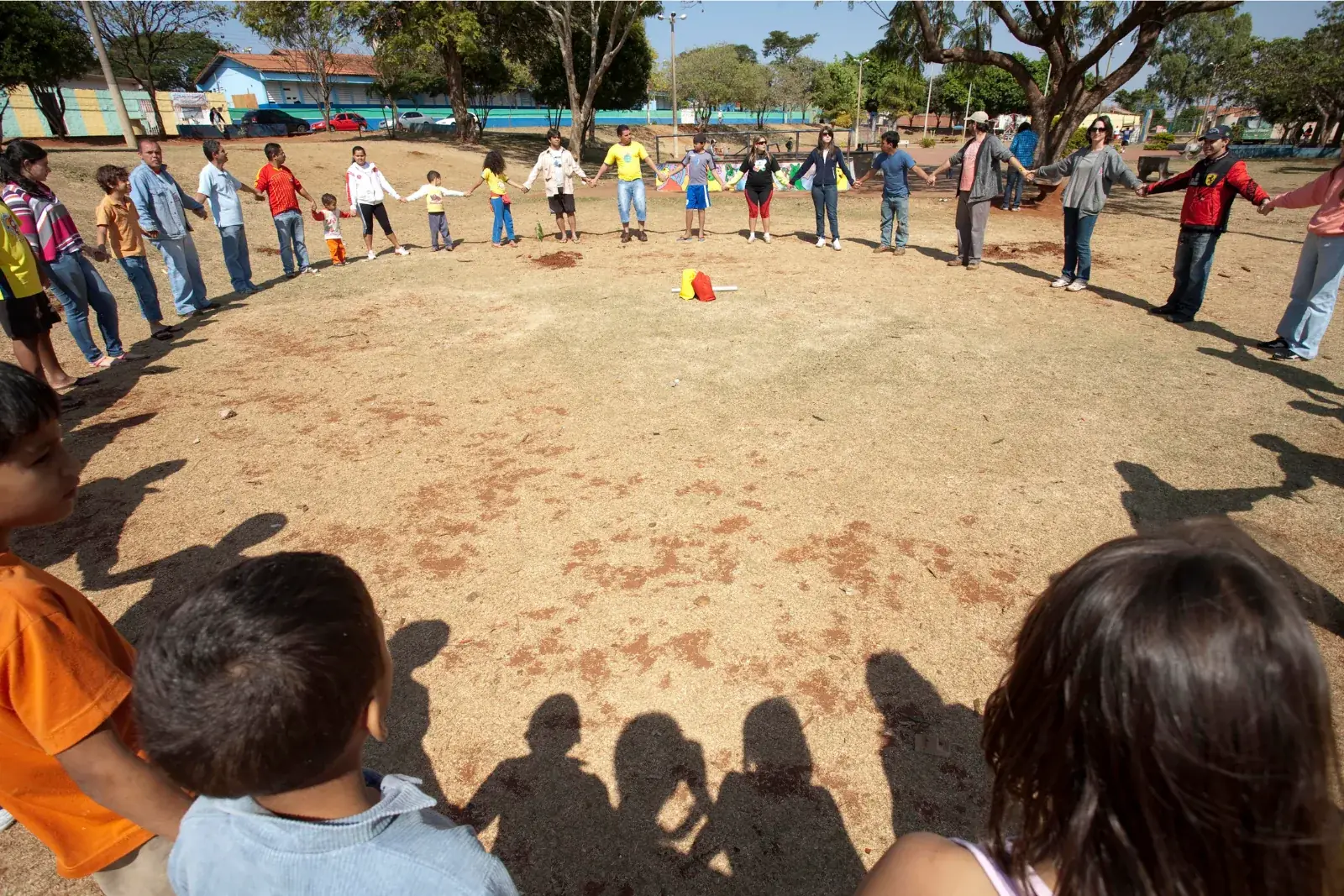
The starting point
Almost every methodology starts with the problem. This one starts with what already exists.
The market standard
Identify the pain points, the bottlenecks and what’s missing.
The solution comes from those who have arrived.
The Elos Methodology
Map out the talent, the resources, the connections, what’s already working.
The solution comes from those who were already there.
The starting point determines who takes the lead.
What it does
Strength and a way of working together.
Groups get stuck for three reasons, almost always in this order: they fail to recognise what they have, they lack the confidence to give it a go, and they are unable to turn their intentions into action. The methodology addresses all three.
Potential
Recognising what is already there: the capabilities, leadership and resources that a place possesses before any project arrives. This is the lens of abundance, and it is what changes those who take on the role of problem-solvers.
Belonging
Enough trust for a group to act together: to listen to, disagree with and cooperate with those who are different. Without this, collective action never gets beyond the initial enthusiasm.
Agency
Turning intention into collective action, led by those who live there. That is what distinguishes a project imposed on the community from a process that the community leads itself. In practice, it is participatory democracy in the territory: the people who live there decide, together, what they will build.
These three capabilities are what bring about change in people and groups. The seven steps set out below are what the method does to bring about that change.
How it works
The seven steps of the Elos Methodology.
Perspective · Appreciative diagnosis and asset mapping.
The group explores the area, talks to the people who live there and records what they find: people with skills, spaces that work, active organisations, and the stories that the place itself tells about itself. This is where the lens of abundance replaces that of scarcity.
Affection · Stakeholder engagement and trust-building.
Trust comes before the project. This step brings together residents, public authorities, businesses and local organisations, and deliberately includes those who oppose the proposal. It is the most invisible step of all and the first to be cut when time is short, and cutting it is the most common reason why a good project fails to get off the ground.
Dream · Building a shared vision and aligning priorities.
A community does not change because of an individual’s dream. It changes when that dream becomes the dream of the whole group. Here, the aspirations of many people coalesce into a single vision of what that place could be, and a set of priorities that everyone recognises as their own. It is the step that transforms complaints into a project.
Care · Collaborative design and implementation planning.
The group sets out what is to be done, who will carry out each part, using what resources and by when, in the level of detail that a real project requires. A plan drawn up from the outside arrives ready-made and is finished once the author leaves; a plan drawn up from within is born with an owner.
Miracle · Fundraising and collaborative implementation.
The name is a local one and reflects how it is perceived from the outside: it seems impossible to gather the resources, materials and people in time. Inside, it’s a community effort, and it works because the initiative comes from those who live there. The group discovers through experience that it can mobilise what it needs, and this realisation is worth more than the project itself.
Celebration · Participatory evaluation, recognition and learning.
The group openly acknowledges, in front of everyone, what they have achieved. This is followed by a review: what worked, what didn’t, and what they learnt. A group that celebrates together will get organised again next time without needing to be asked.
Re-evolution · Sustainability, adaptation and continuity.
Who looks after what has been built, how the group decides what to do from now on, and which cycle it chooses to begin next. It is the difference between a project with an expiry date and a capacity that remains in place. The name says it all: the cycle begins anew at Perspective, now led by those who live there.
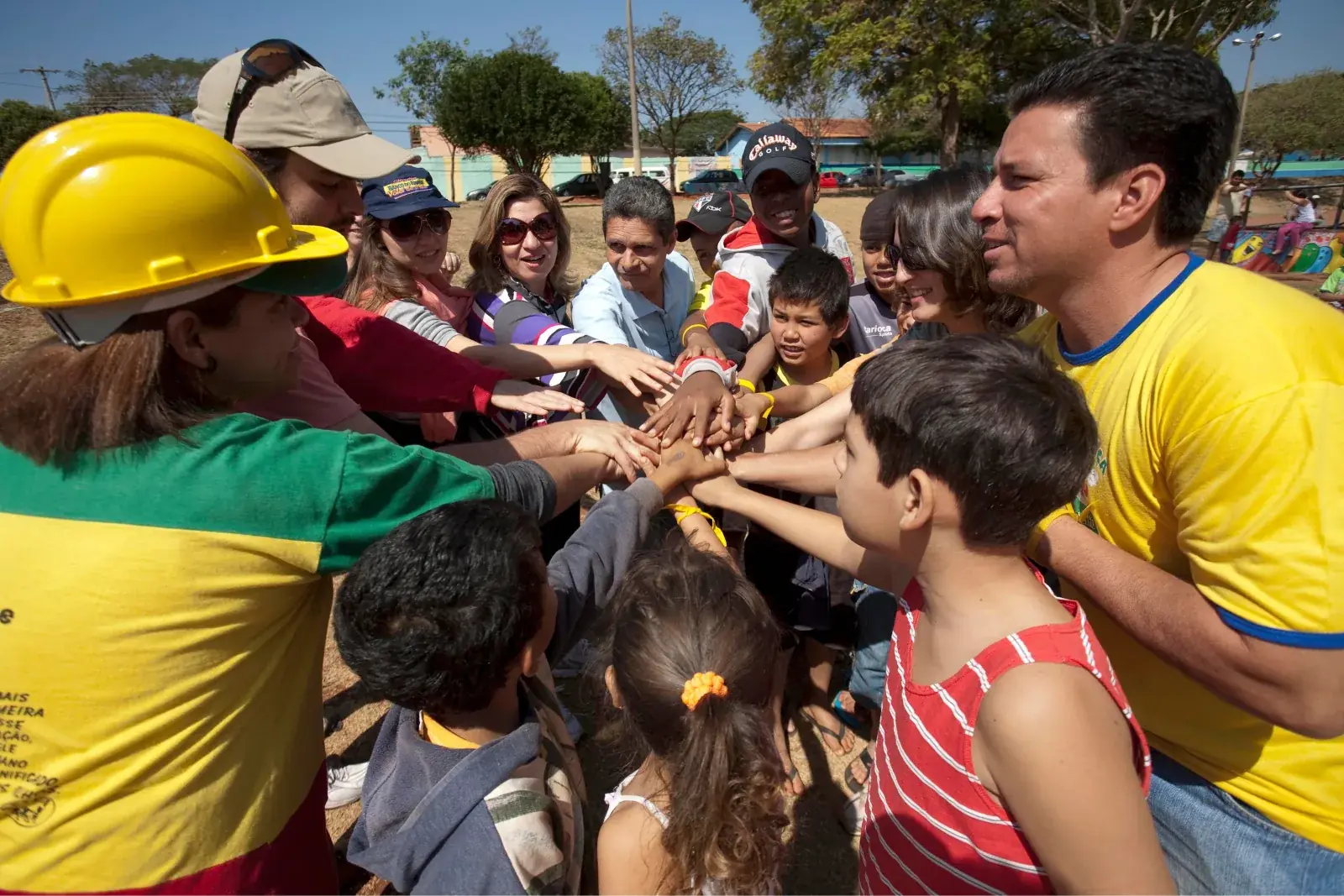
For those who
The same method, on three scales.
It changes who is in charge and what is decided. The method remains the same, which is why it applies equally to a group of twenty people as it does to a decision taken by a local council.
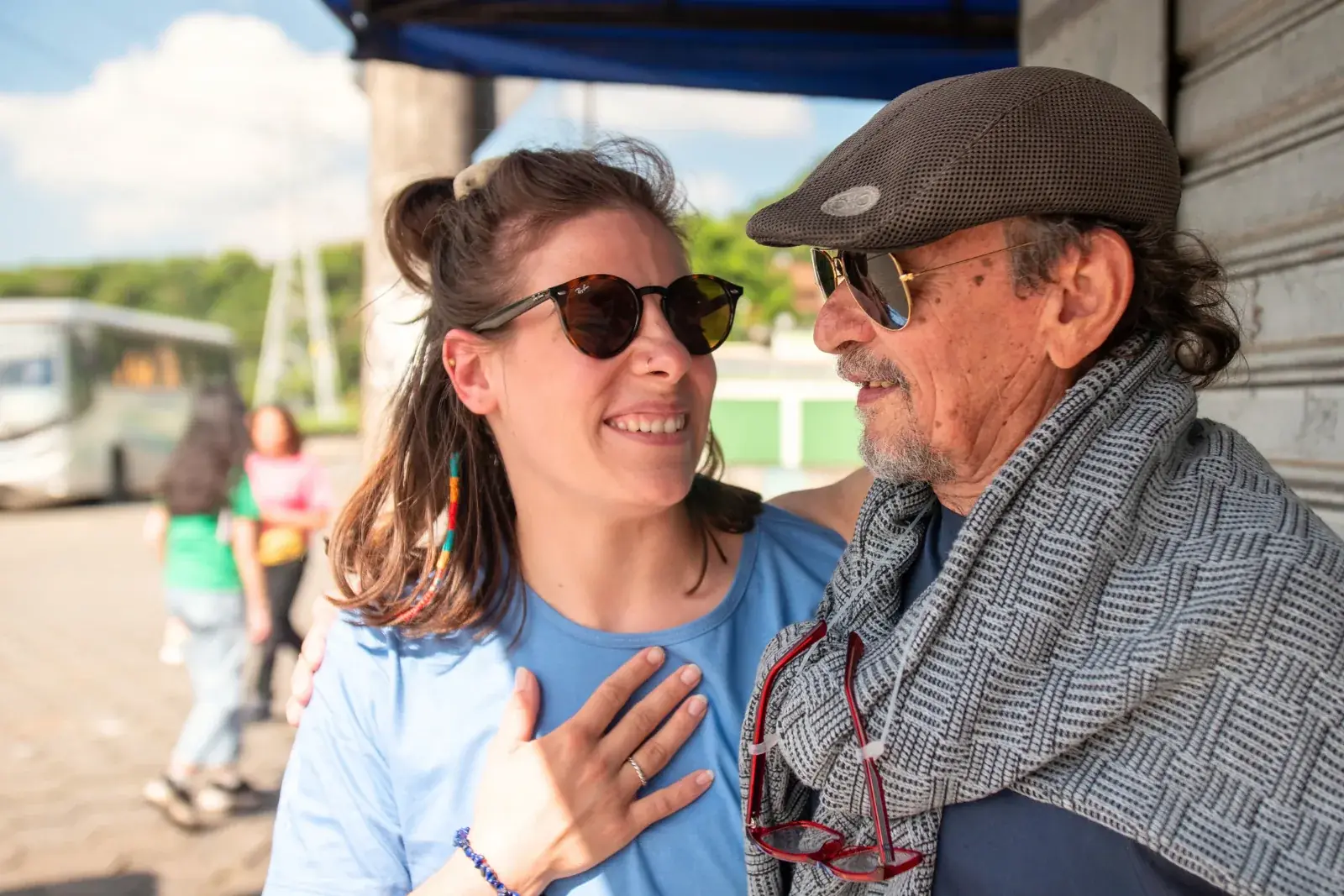
Training
The Elos Methodology in your life
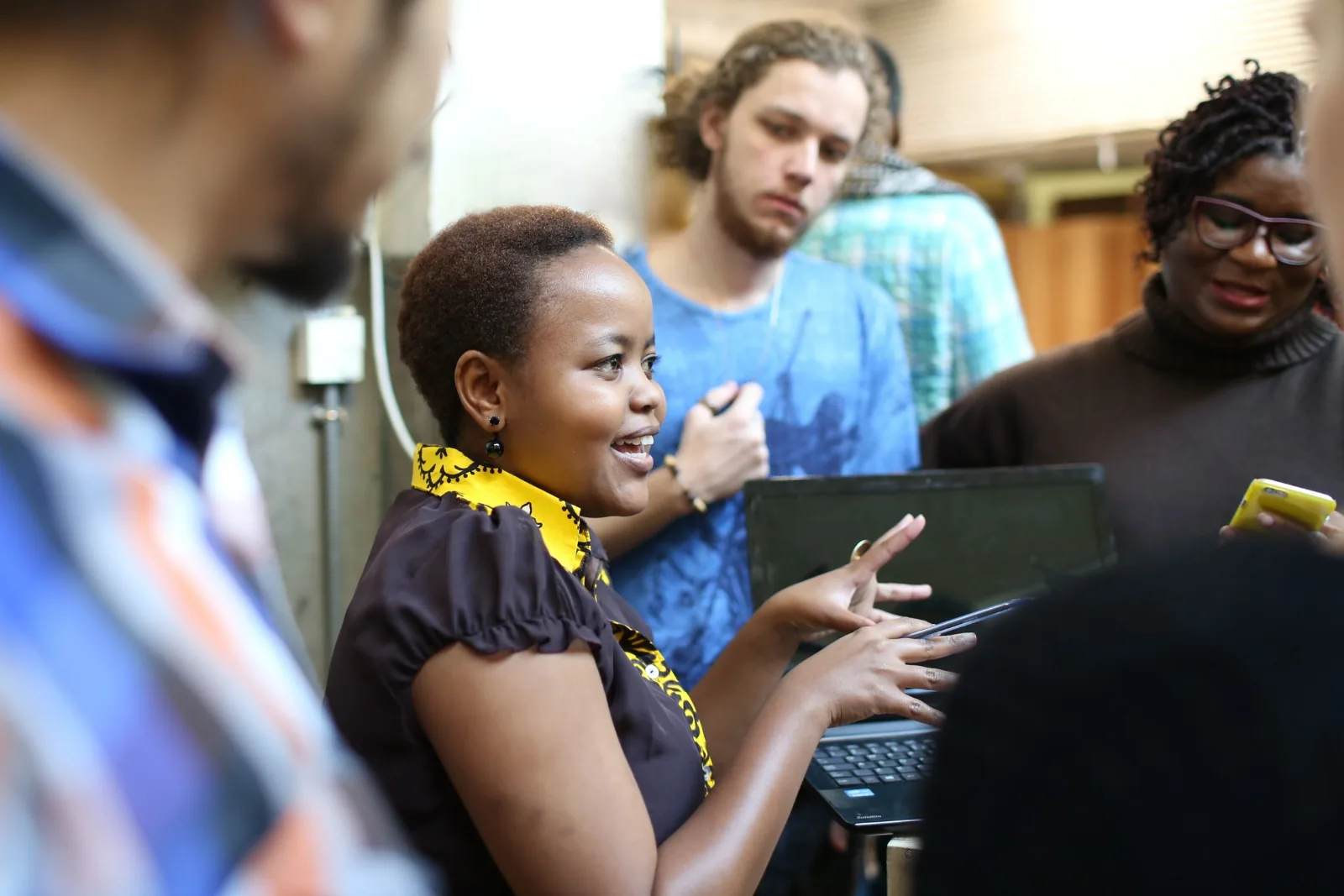
For those who want to learn how to lead: teenagers in Geração GSA, young leaders in GSA and leaders of organisations in Elos Leadership.
Consultancy
The Elos Methodology in your business
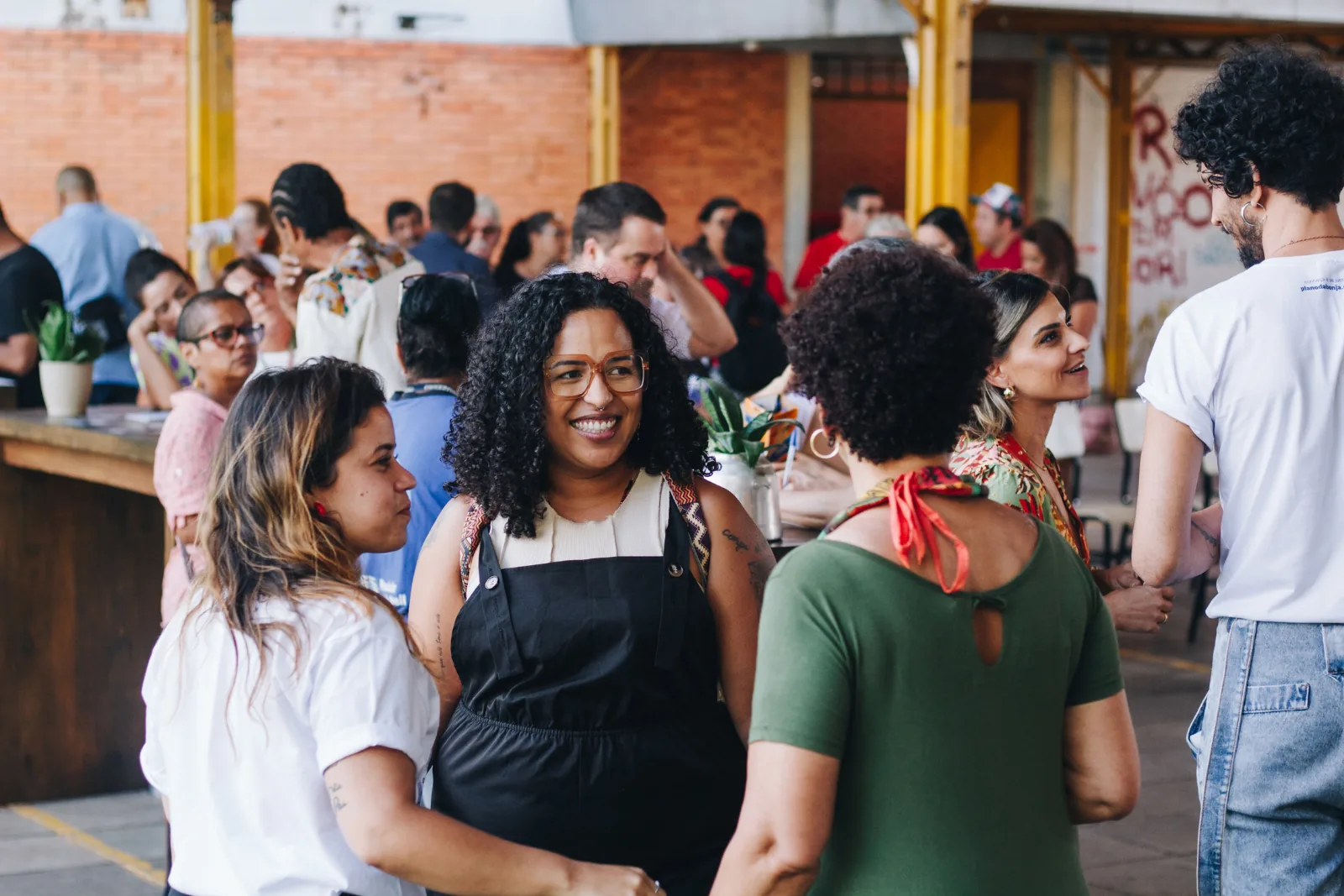
For businesses, foundations and government bodies that need to make decisions and invest whilst listening to and involving those who live in the local area.
Impact
The Elos Methodology in your area
For communities, networks and grassroots organisations that wish to bring together what already exists in their local area and run their own initiatives.
Applicable on any scale; replicable by local teams in over 60 countries
Cases
The method, where it has already taken place.
Dique da Vila Gilda
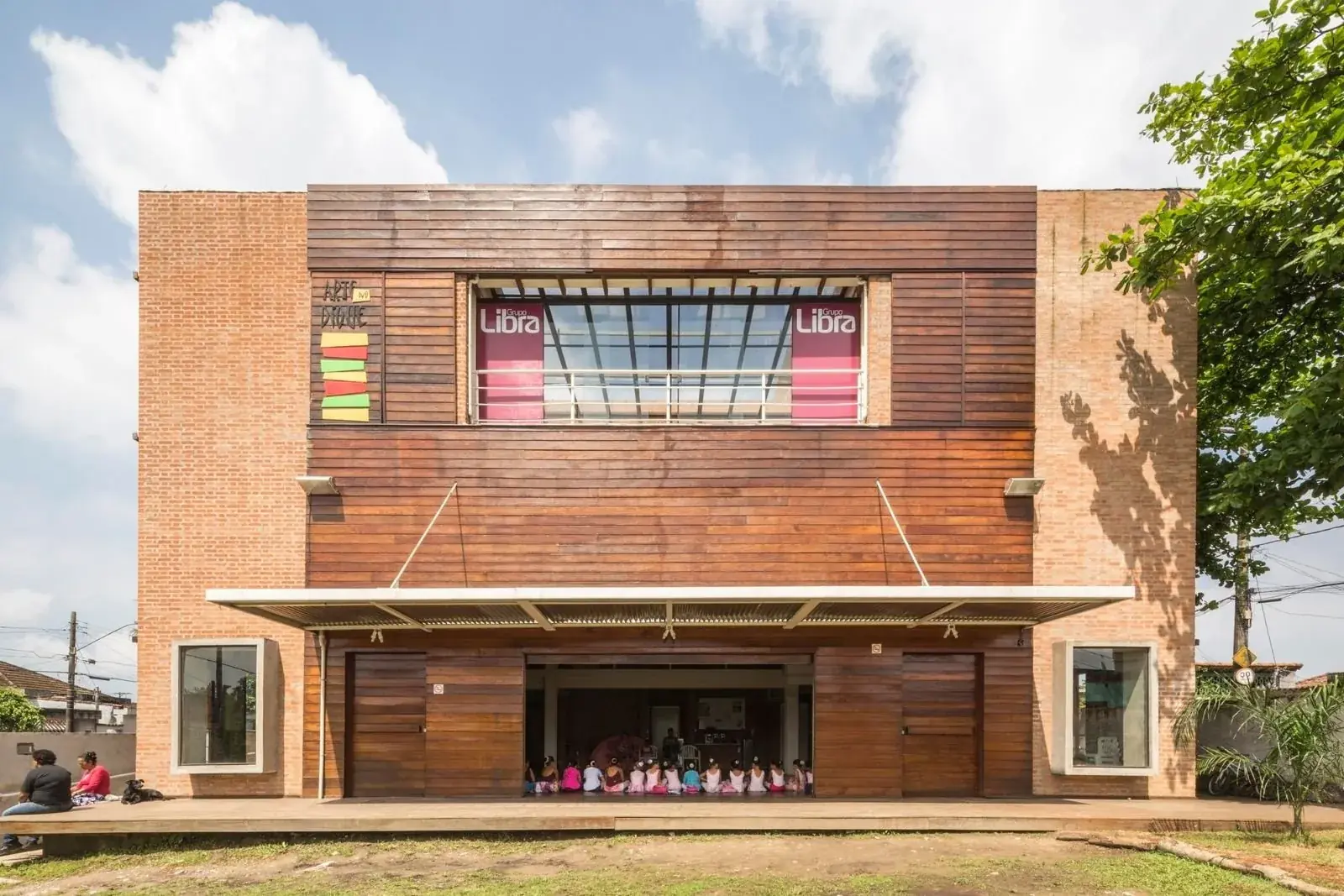
Training and technical support, in two cycles 26 years apart.
The day nursery, the Instituto Arte no Dique and the fire prevention system, all run by the community itself.
Jardim São Manoel
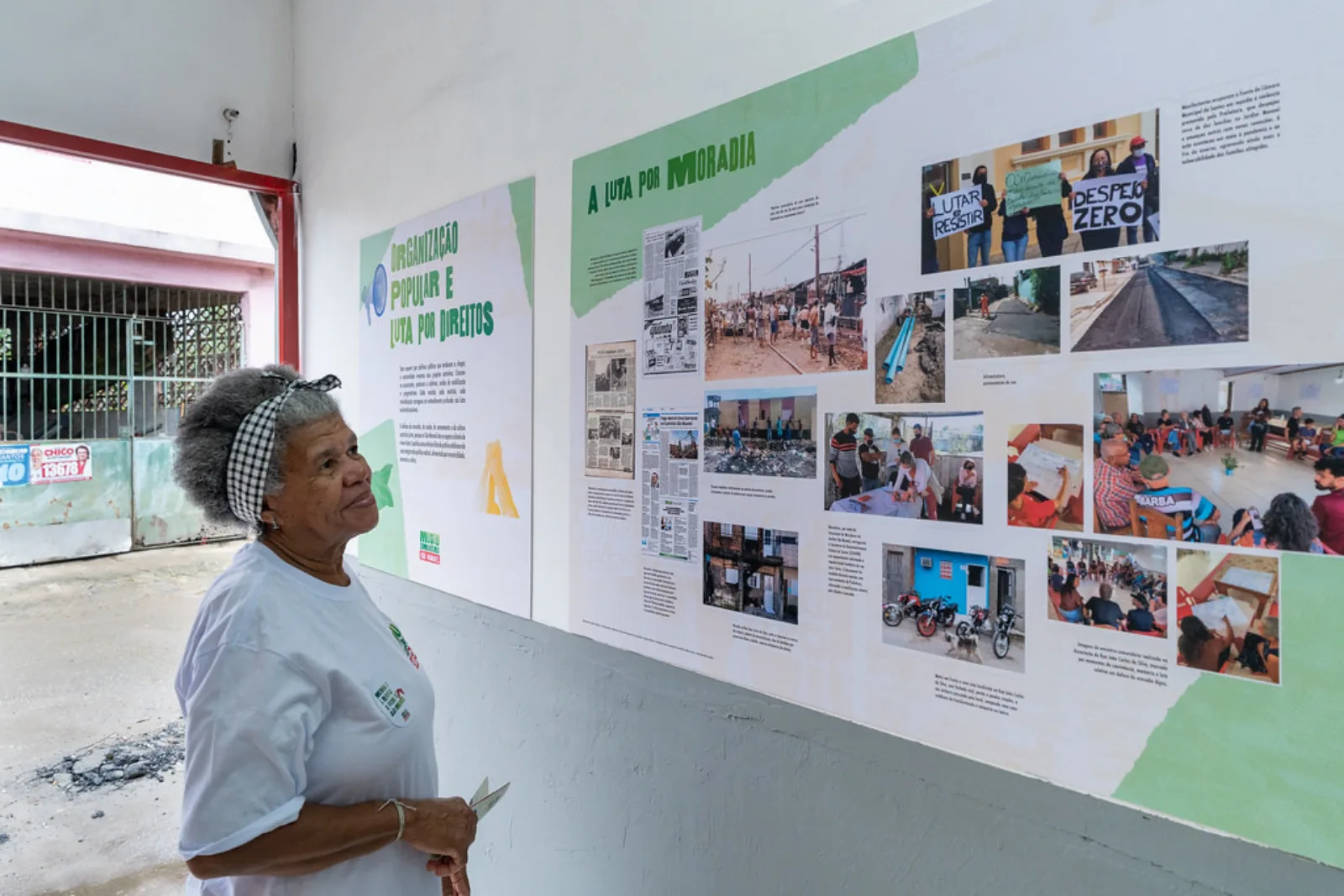
Participatory memory-building, using affective cartography and the collection.
Community Museum, refurbishment of the community centre and the Bons Frutos vegetable garden.
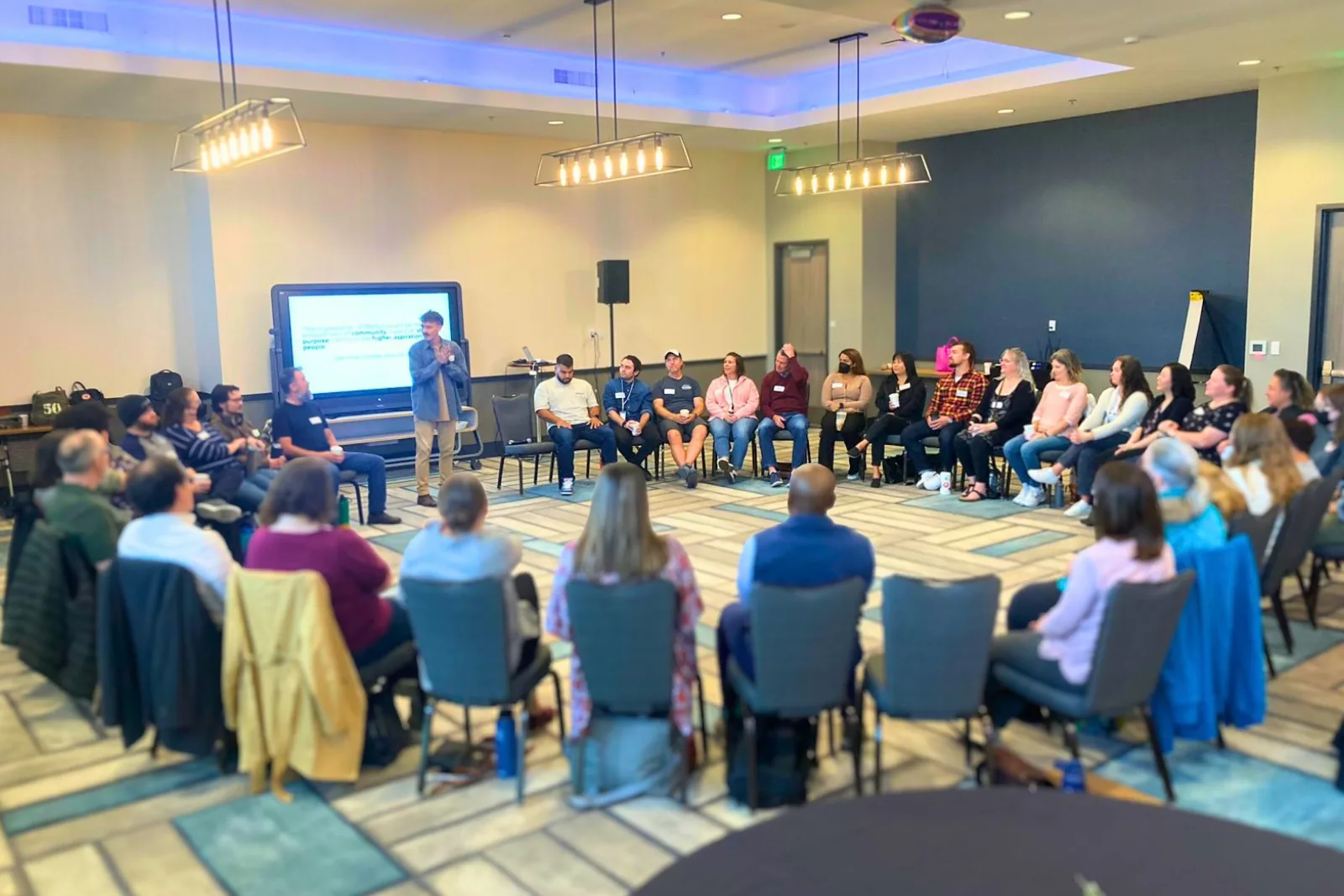
HASCO, Lynnwood, United States
A wide-ranging consultation, including those who were opposed to the proposal.
Zoning plan approved by 6 votes to 1; around 500 families will have access to housing.
Anyone who has ever lived
What changes in those who undergo the method.
Data from the ‘Impacto Vivo’ survey, carried out amongst graduates of the GSA Network.
93 per cent
have improved their ability to work as a team
70 per cent
report greater emotional resilience
54 per cent
made a career transition to make an impact
Impacto Vivo Survey, GSA Network
“It gave me more confidence both personally and professionally.” GSA 2017
“Taking part in the GSA gave me a deep sense of community and connected me with the deepest aspects of our humanity. I didn’t realise it at the time, but a few years later I came to value the GSA even more and was able to recognise and appreciate its real impact.” GSA 2011
“Knowing that I wasn’t alone and that there were other people all over the world doing incredible things.” GSA 2014
How far the method has come
It’s worth dreaming together.
+60
countries where the methodology has been adopted
Instituto Elos, Sept 2026
+1,000
communities
Instituto Elos
233
officers trained in 2025
Elos 2025 Report
Every month, you prove that change is possible through collective action.