
Impact · Case Studies · Territory
At Jardim São Manoel, 15 years of partnership have resulted in a strong community group, an award-winning vegetable garden, a well-equipped community centre and the first museum in the outskirts of the Baixada.
São Manoel, a territory that symbolises the Elos Methodology, the Oasis Game in 2010 and the GSA in 2014, and which has helped to strengthen a powerful network of community organisations working towards the comprehensive urban regeneration of the neighbourhood.
15 years
in partnership with the community
3
community organisations, providing technical support for institutional and infrastructure development
2
refurbished and fully equipped communal areas
1st
community museum in the outskirts of the Baixada Santista region
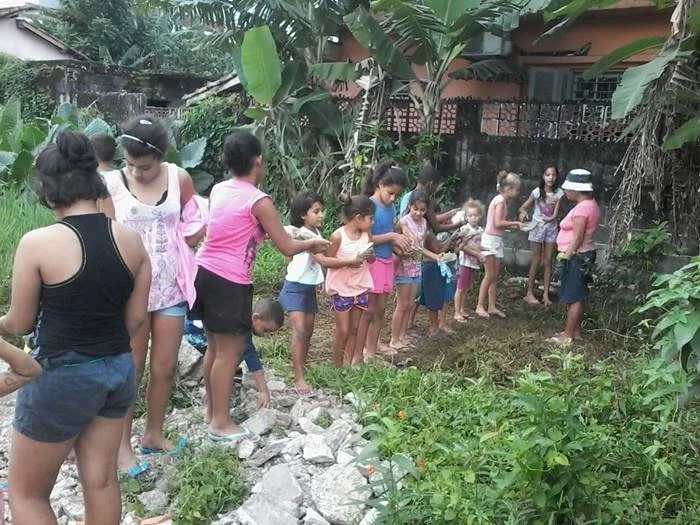
2010
Elos organised an Oasis Game in partnership with the Ânima Educação Group and the local community to help build the mangrove square.
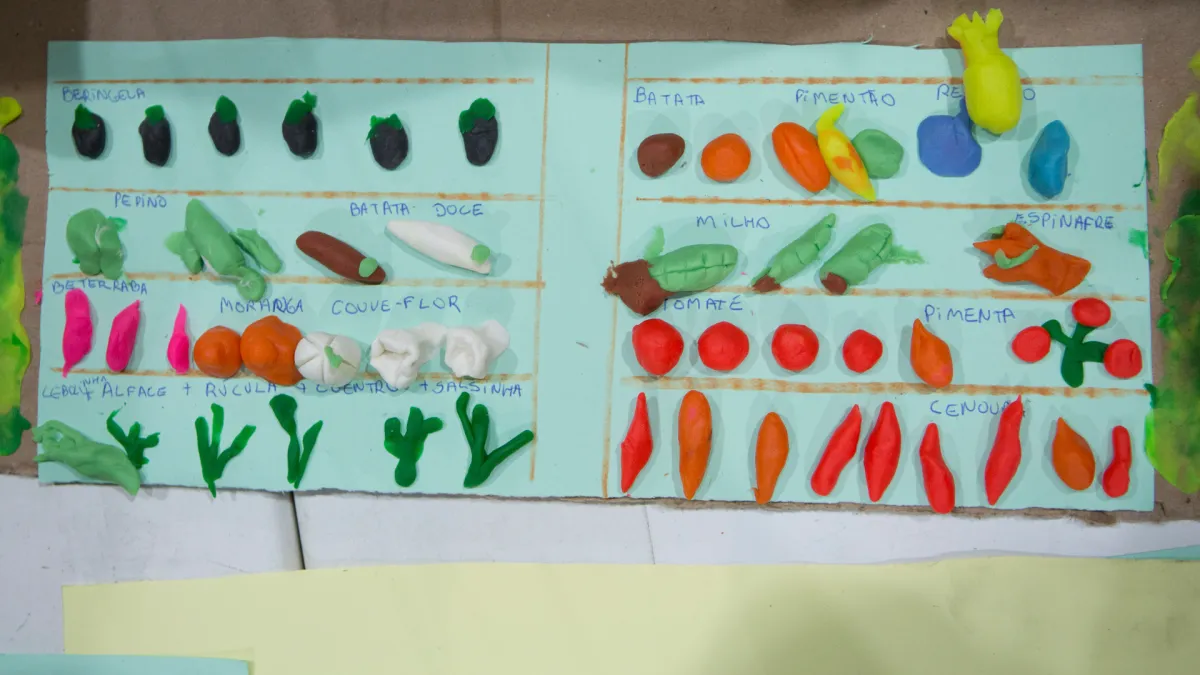
2014
São Manoel welcomed Warriors Without Weapons. When the programme ended, Elos stayed on. From the meeting between local residents and participants, a shared dream was born: a vegetable garden in the heart of the neighbourhood.
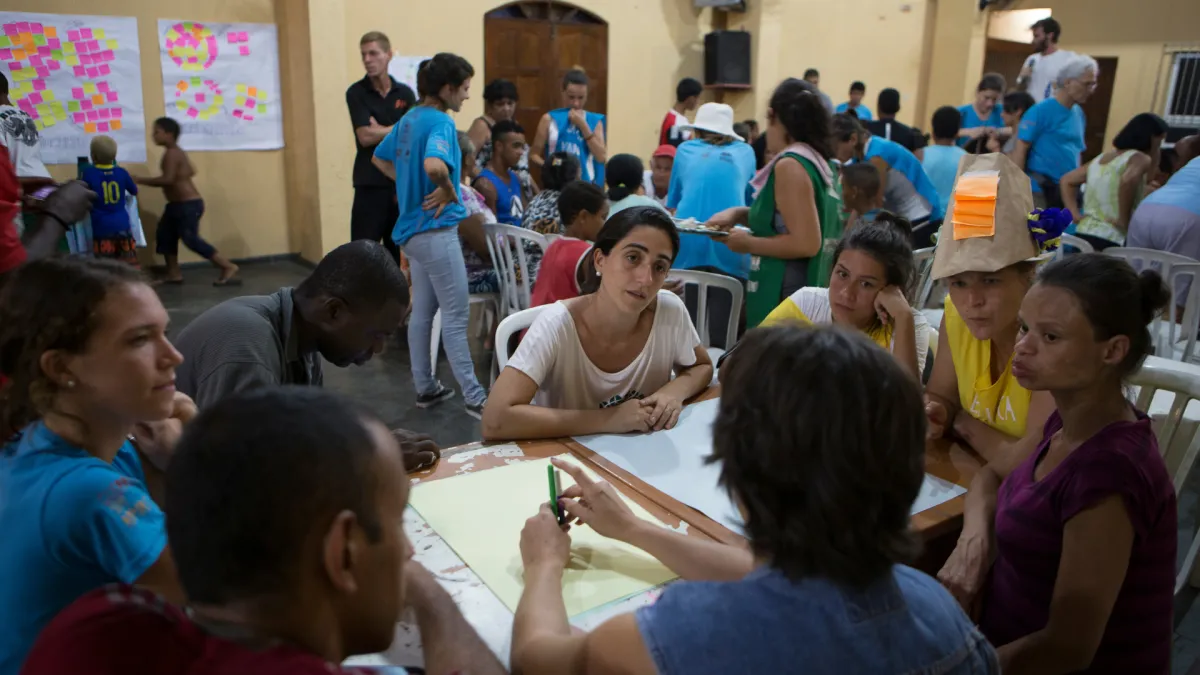
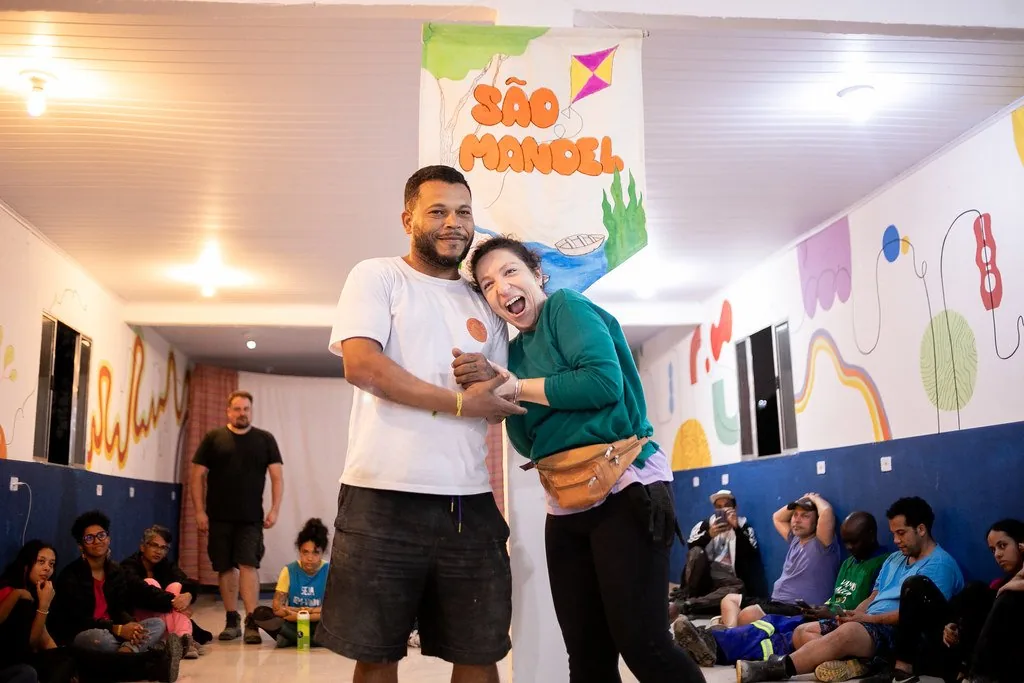
Community Meeting
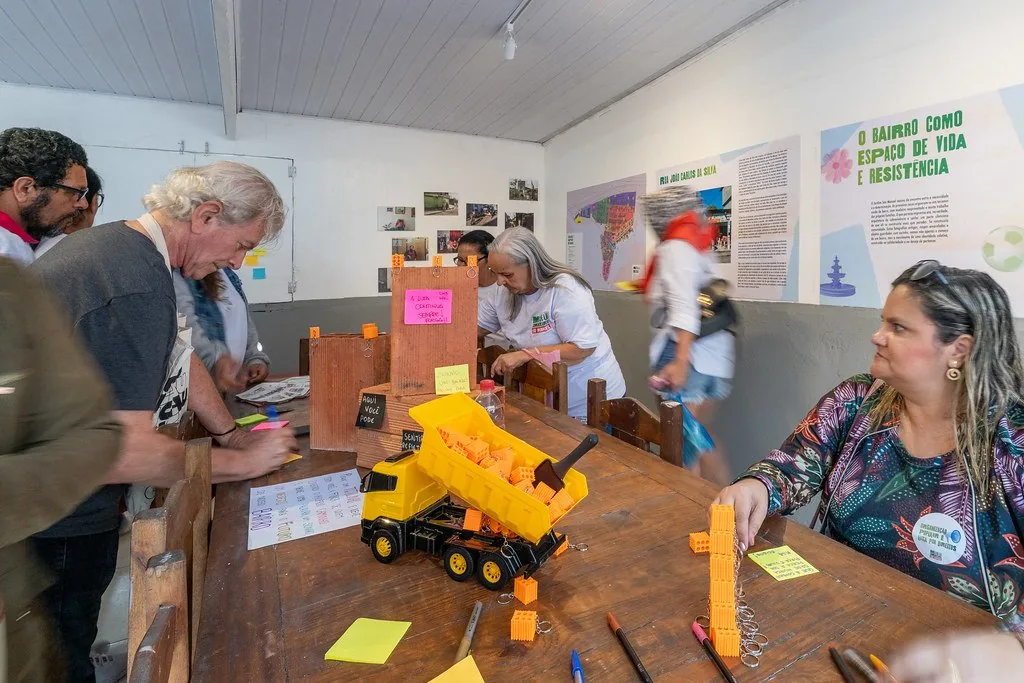
A discussion circle, a collective effort, a celebration. This is how a sense of belonging becomes a practical part of the method.
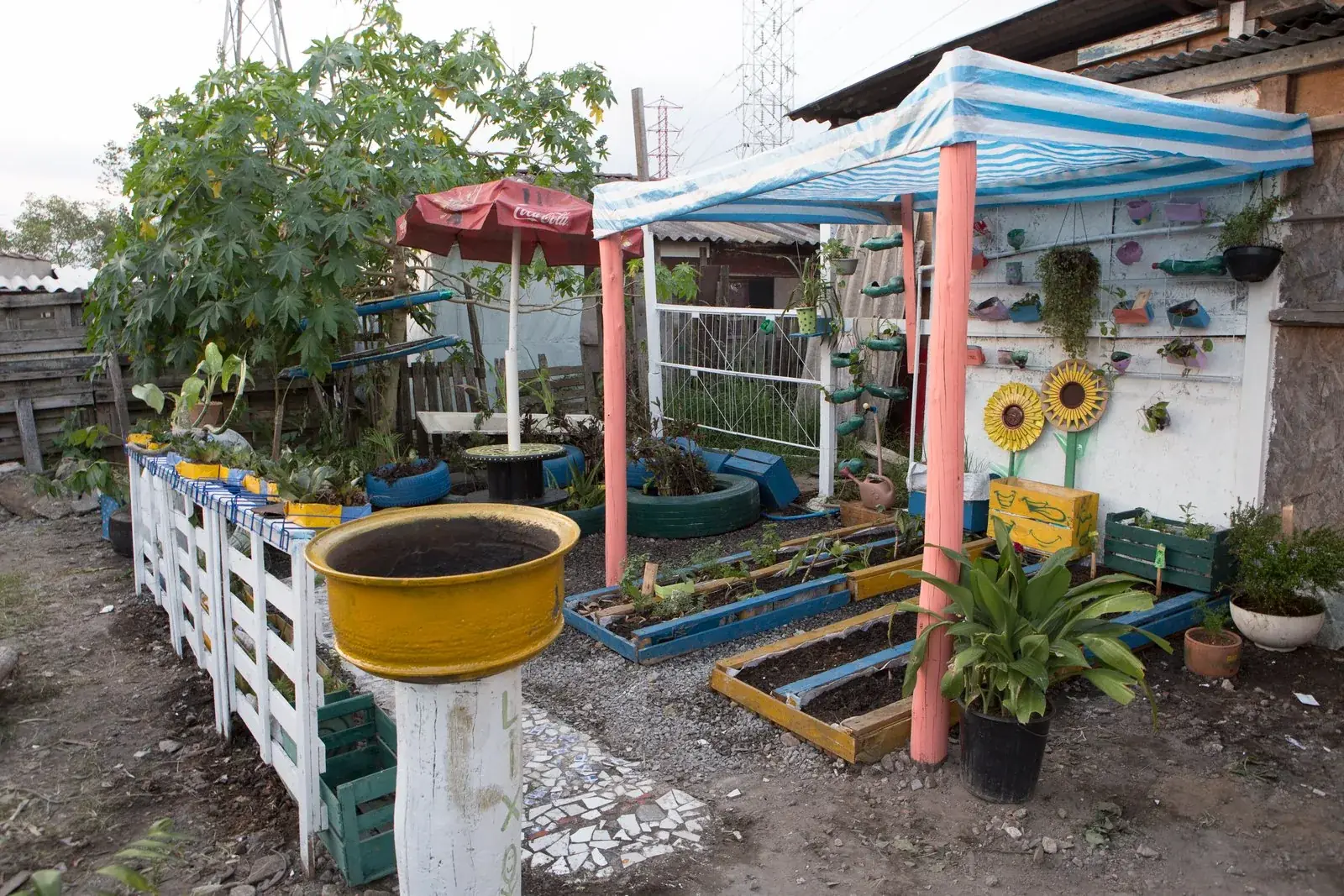
Vegetable Garden Project
The Bons Frutos Vegetable Garden has moved beyond being just an idea and has become land cultivated by the community.

A living space, tended by many hands, year after year.
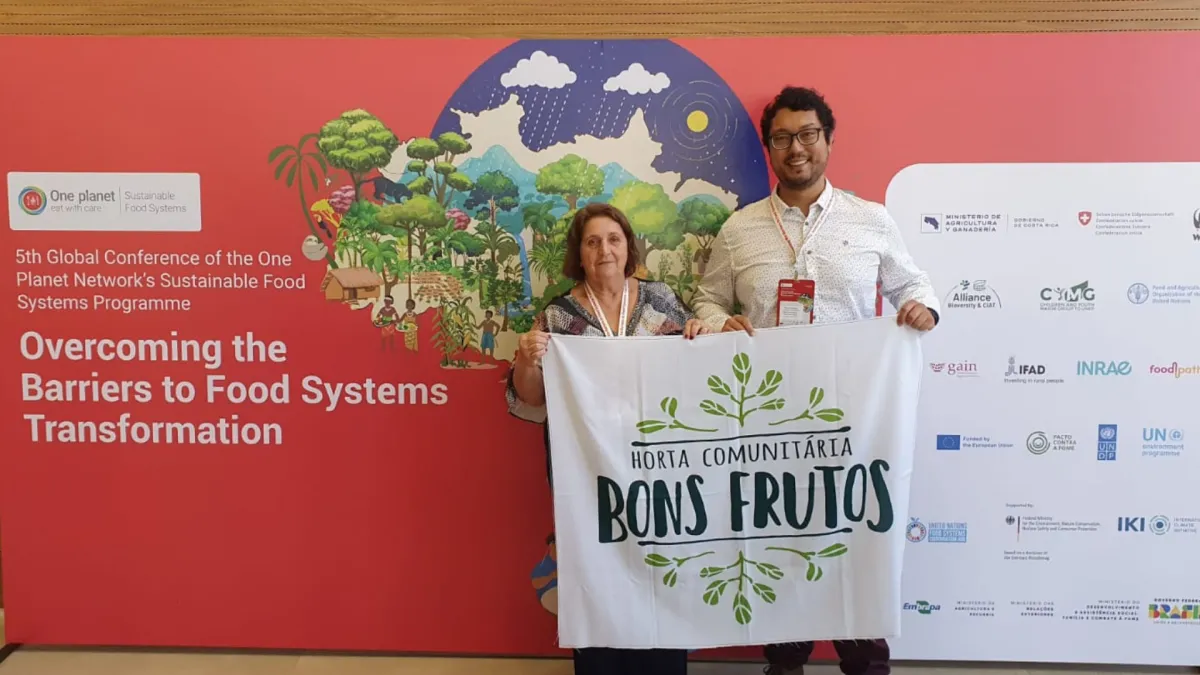
2025: Award-winning vegetable garden
Horta Bons Frutos has received national awards as a leading example of urban agriculture.
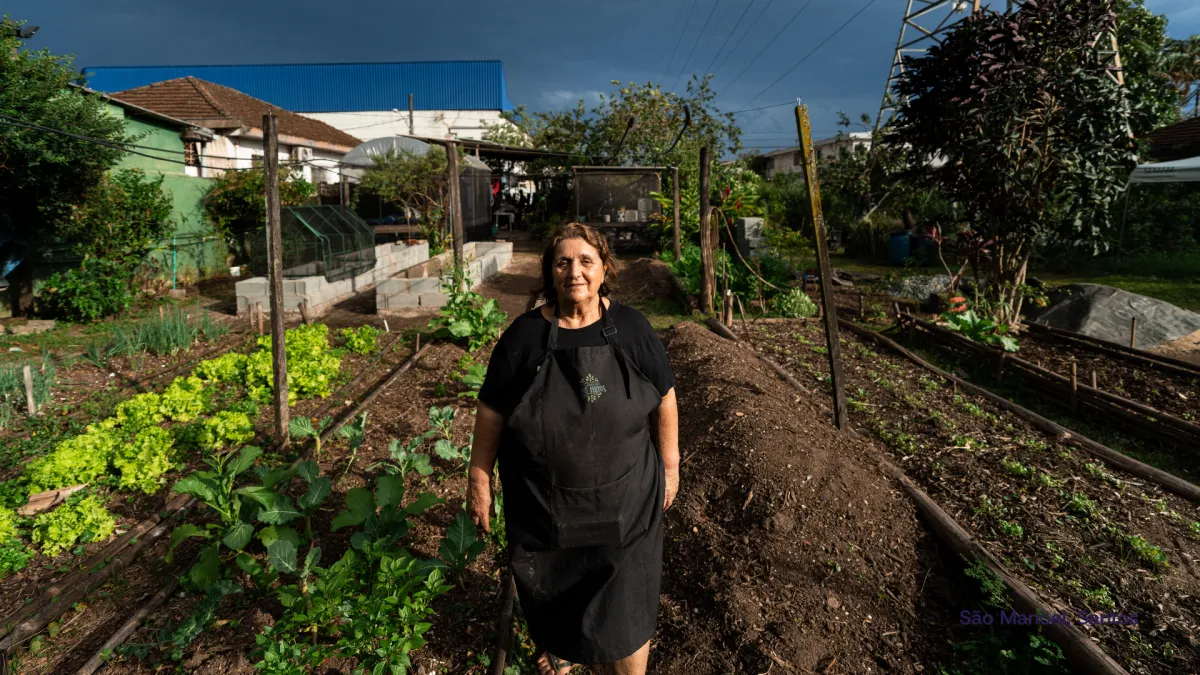
Food, community and income for the neighbourhood, a dream from 2014 that has only gone from strength to strength.
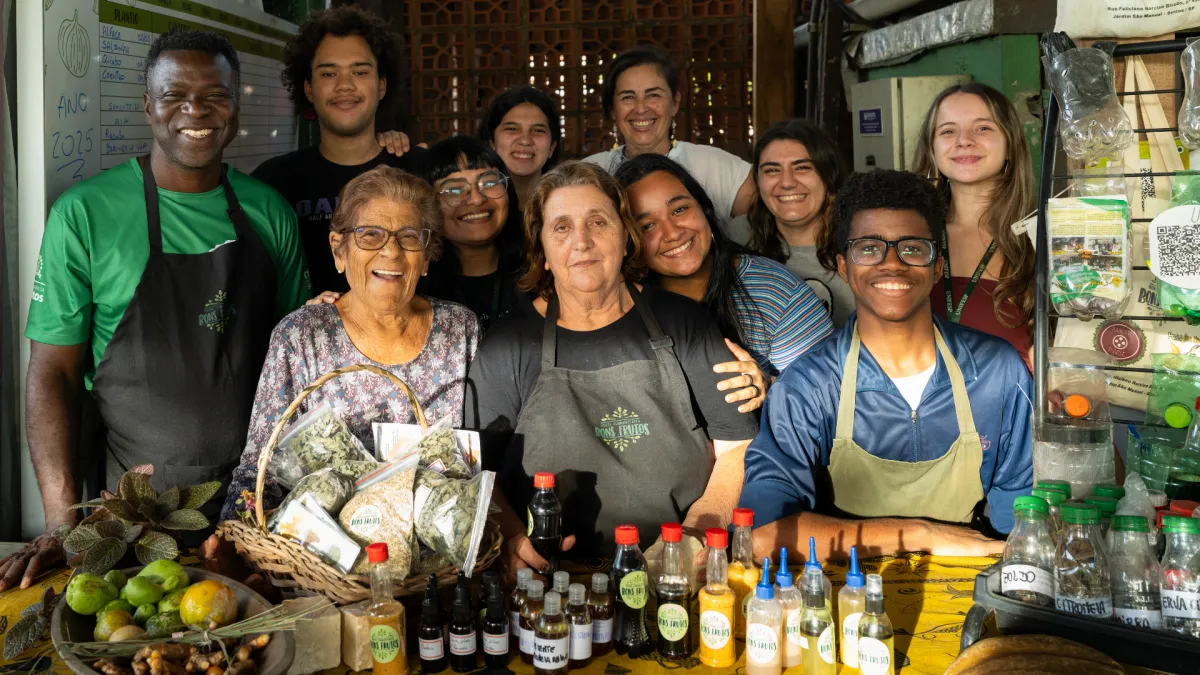
The recognition came from outside, but the work has always been done by the local residents.

Solutions that emerge from the local community are the ones that are sustainable.
2025: The Reforms
In 2025, Warriors Without Weapons was based at the residents’ association, which feeds more than 200 people every night and organises numerous social, educational and cultural activities.
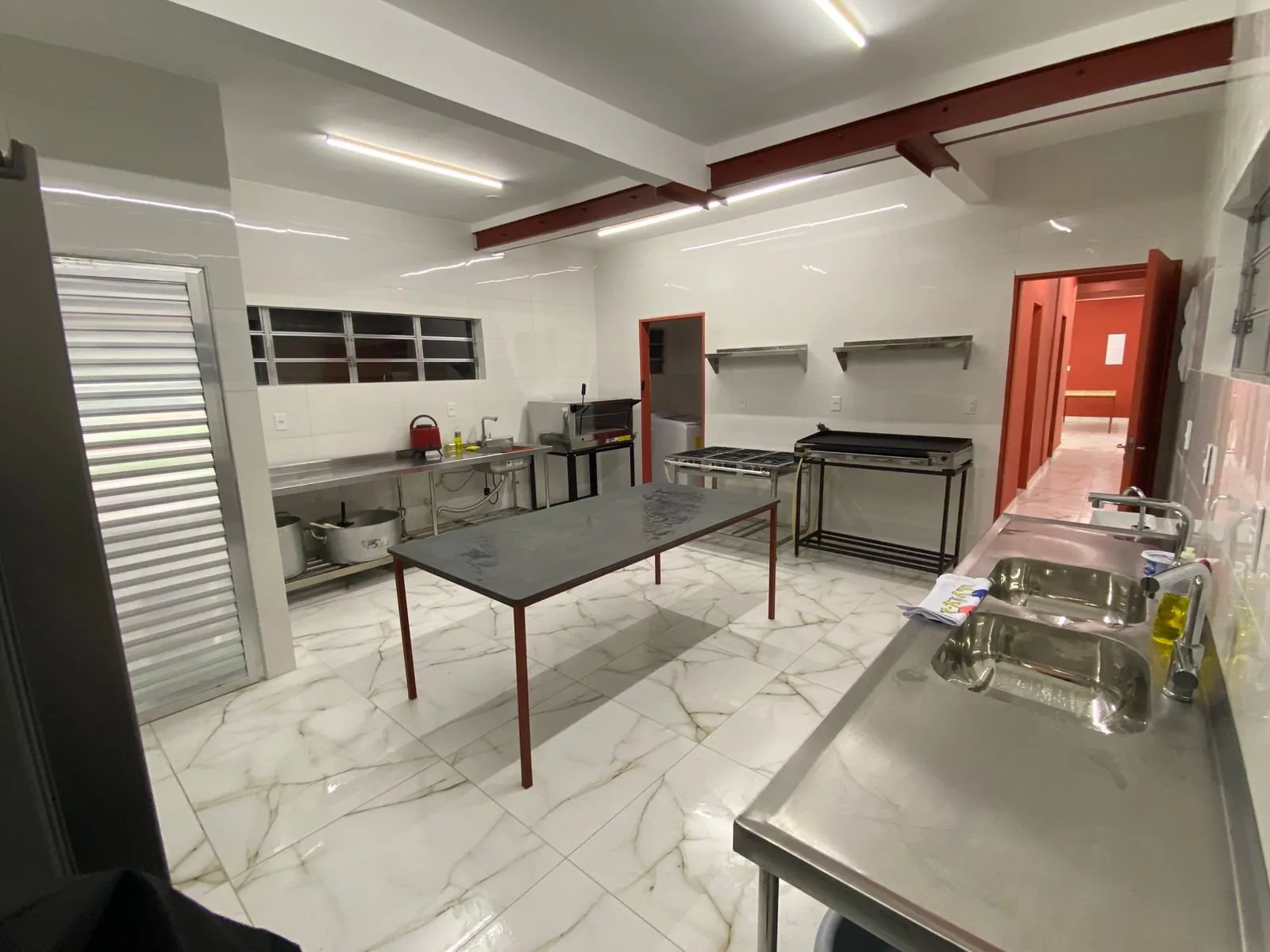
The kitchen had no ventilation and was too small for this work; the activity room was small and the toilets were not accessible. Refurbishing the space had long been a dream of the community.
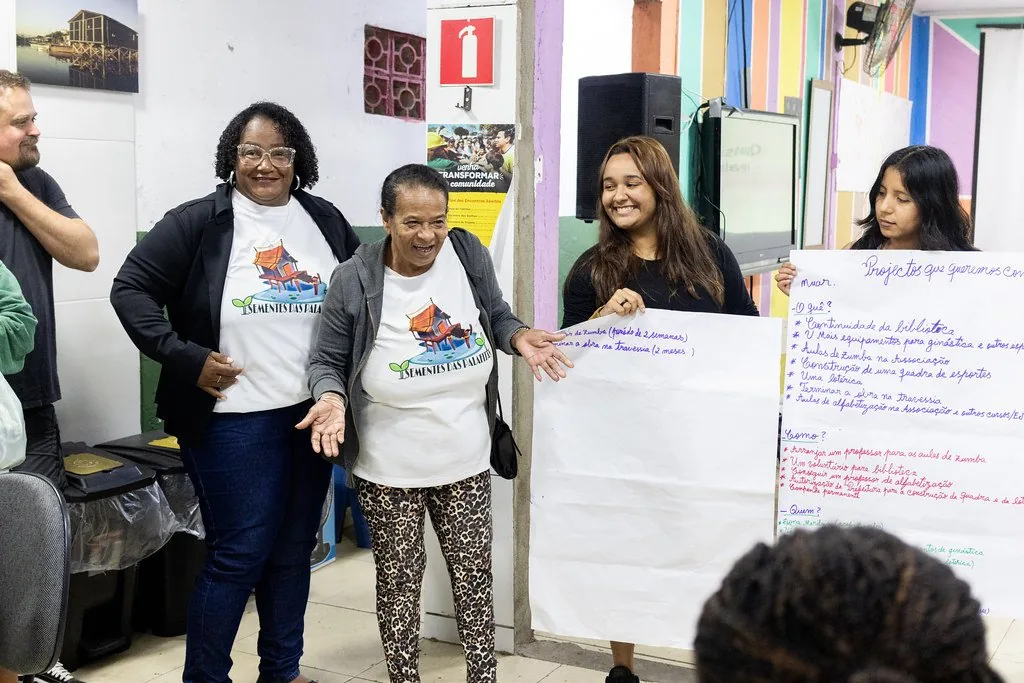
With technical support from architects and engineers, the project was developed through a participatory process, the refurbishment was carried out and the community centre was fitted out! At the same time, the community organisation process, carried out in collaboration with Elos facilitators, strengthened institutional organisation, activity planning and local initiatives.
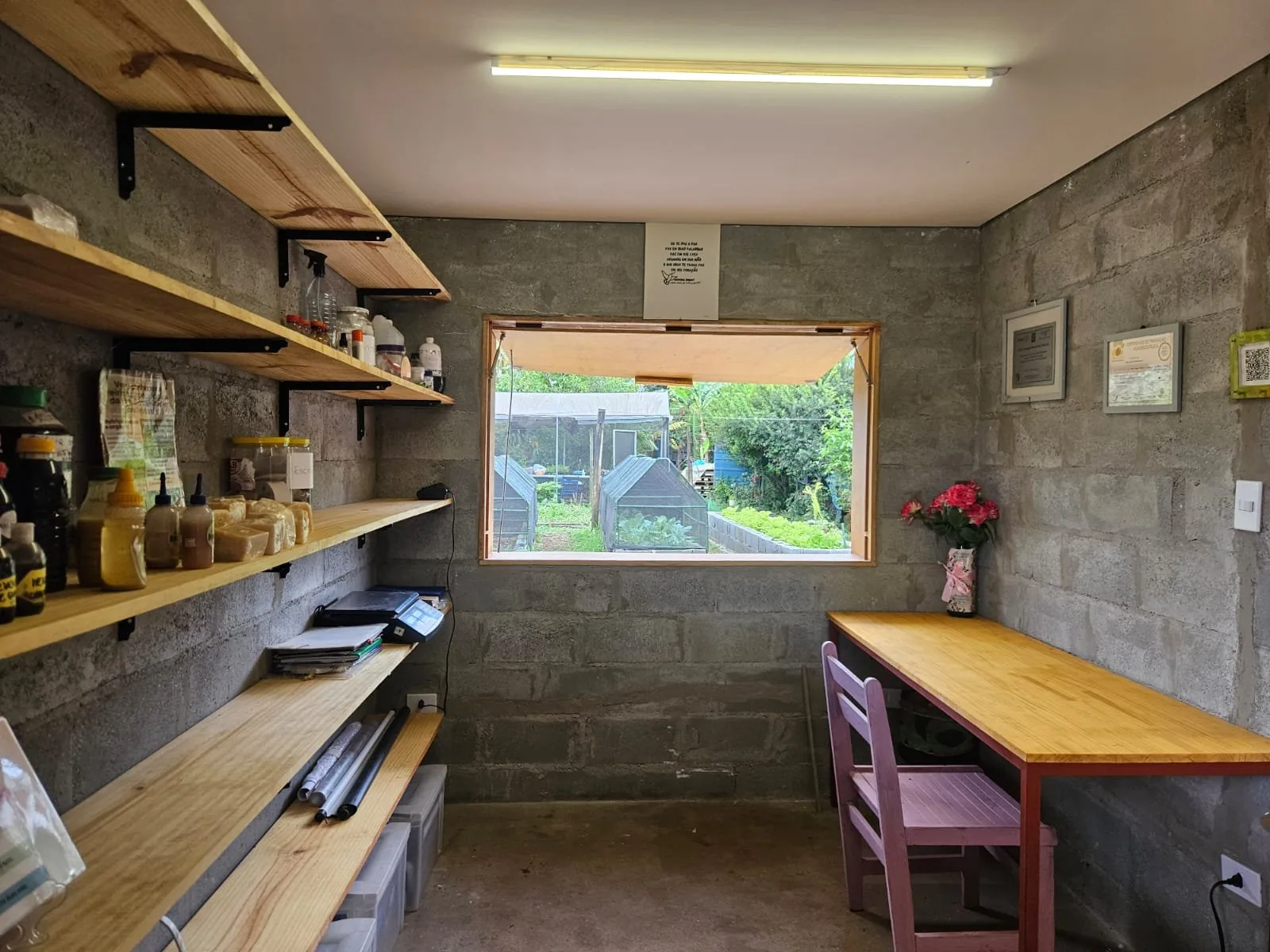
In addition to the community centre, the Horta Bons Frutos has also undergone infrastructure improvements, including the construction of a kitchen, a storeroom, an accessible toilet and a multi-purpose space. The space hosts weekly projects relating to the therapeutic garden; agroecological production; oil collection; composting; and other activities.
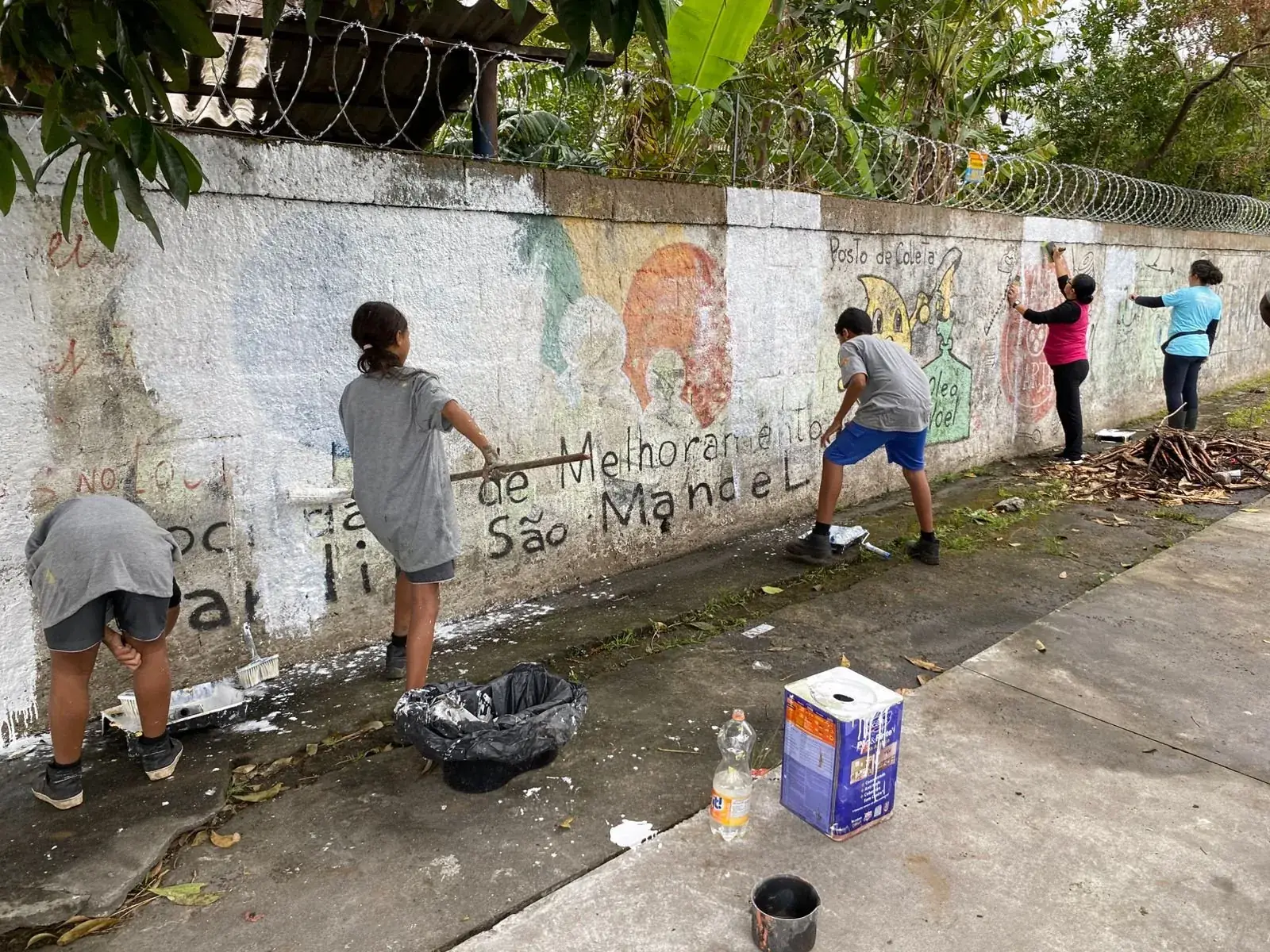
Furniture, equipment and materials remain in the neighbourhood. And Elos continues to support the upkeep.
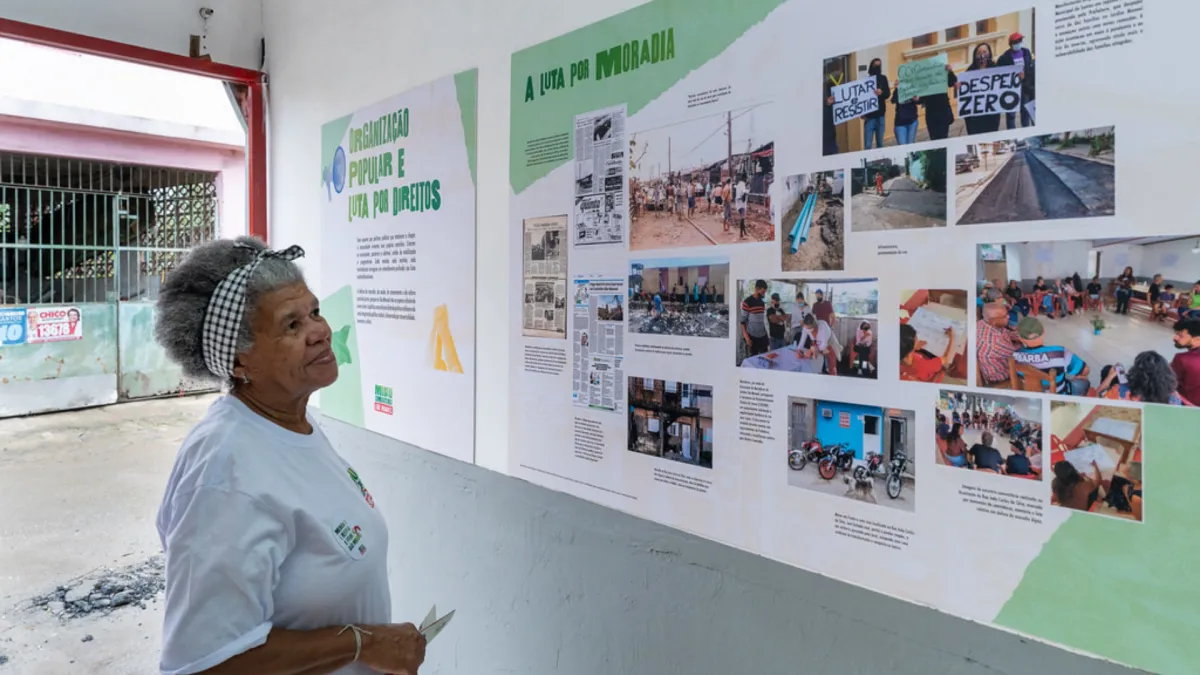
The Community Museum
This same partnership gave rise to the Jardim São Manoel Community Museum, the first of its kind dedicated to a suburb in the Baixada Santista region.
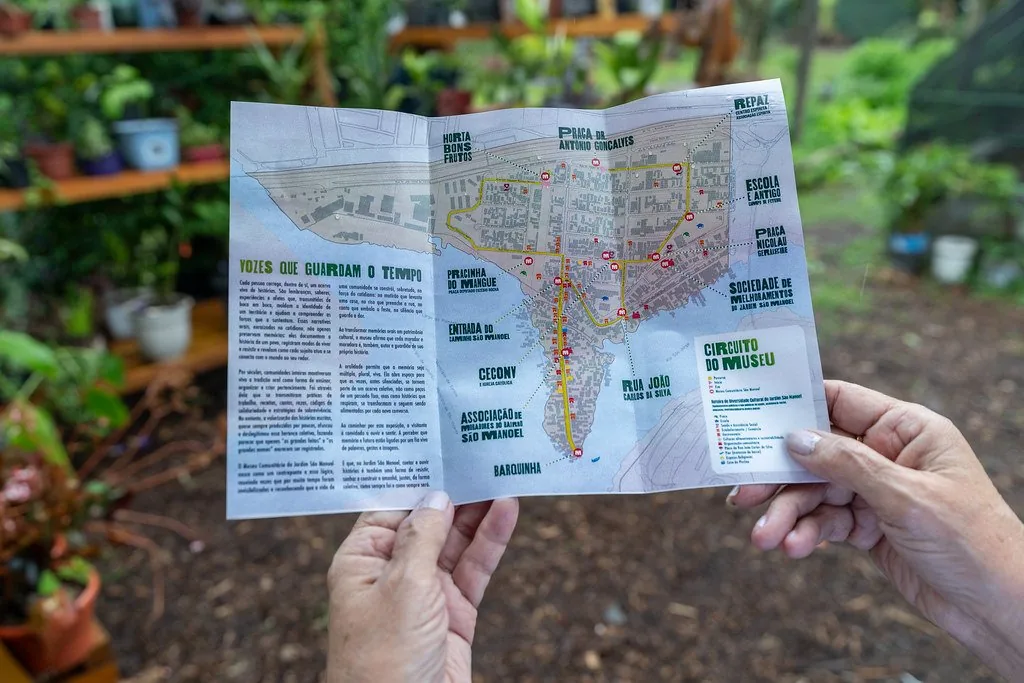
A travelling museum, spread across twelve locations in the neighbourhood, guided by the residents themselves.
Photos, artefacts and testimonies from those who built houses, organised celebrations and forged a sense of community.
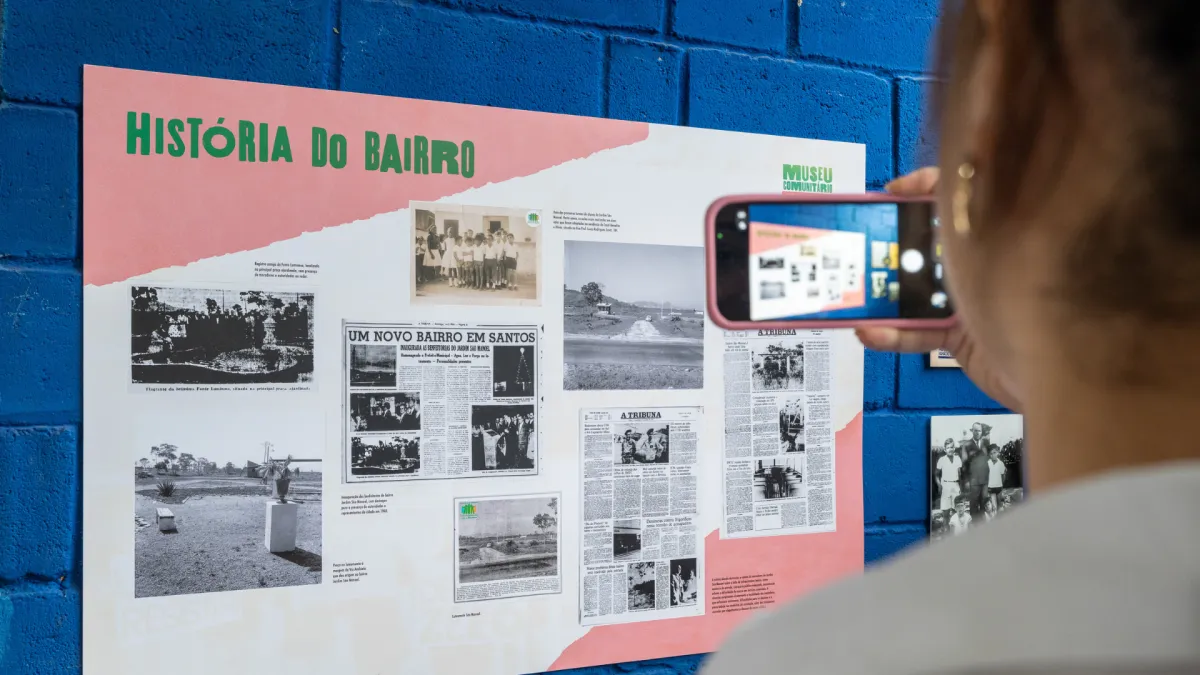
Memory treated as a right, and as a political act.
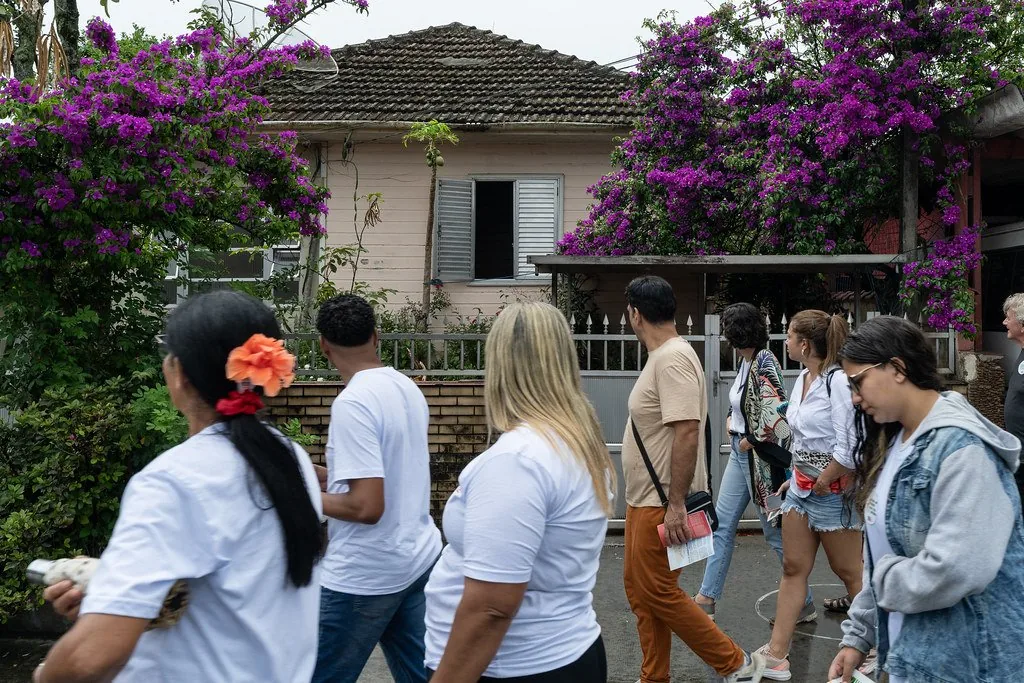
Every street, every celebration, forms part of a living heritage that is still being written.
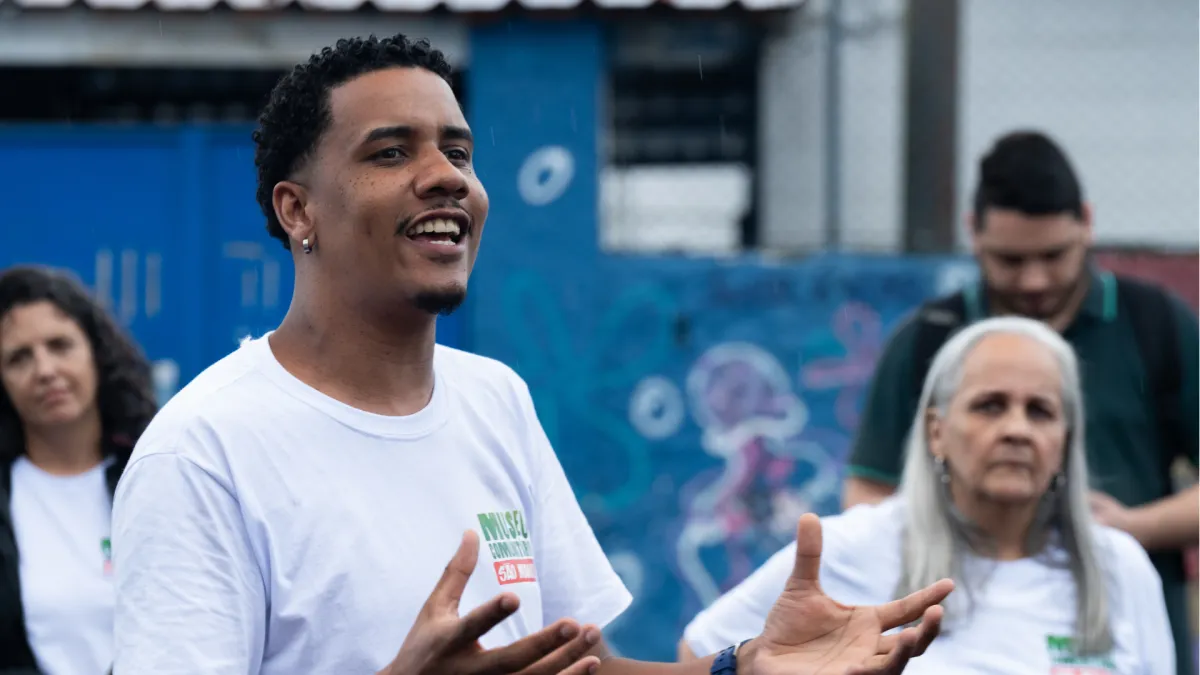
Projects carried out in partnership with the community and with the support of Santos City Council, Transformadores, donors to the ‘Nota Fiscal Paulista’ scheme, the Lapin Institute, Famcargo and funding from the Council of Architecture and Urbanism (CAU, SP)
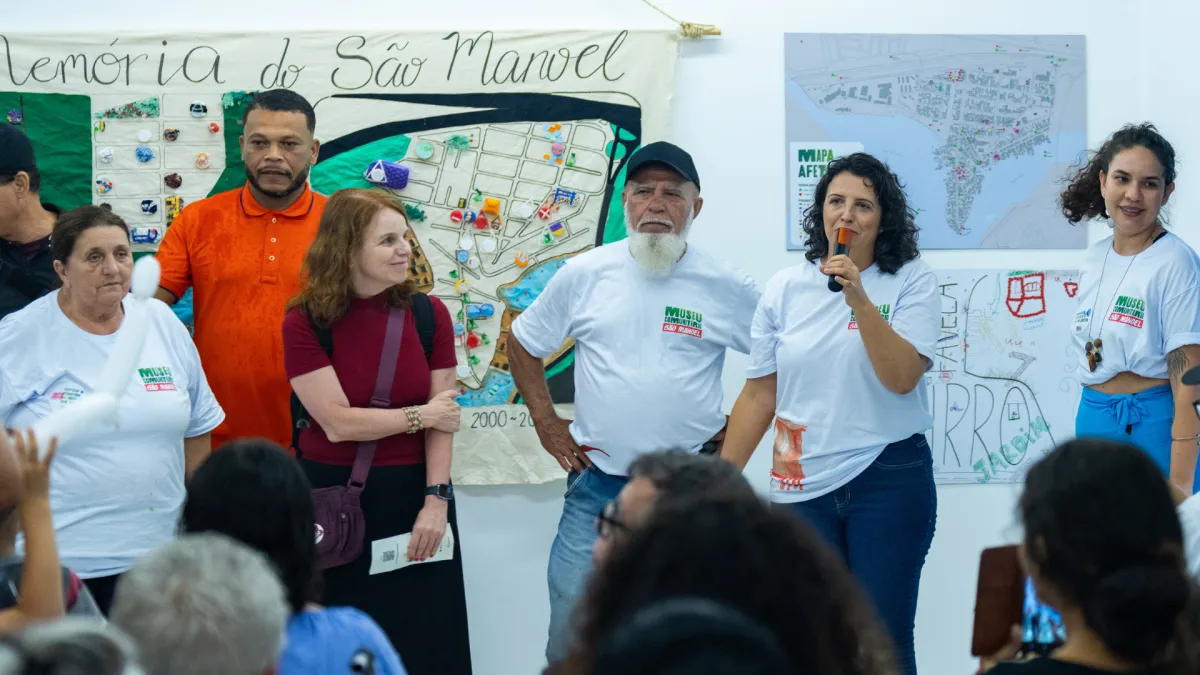
18 October 2025: the whole neighbourhood at the opening of its museum.
What Elos has achieved: Elos provides technical support that strengthens social ties and community life, promotes community organisation, facilitates infrastructure improvements in communal spaces, and builds the institutional capacity of grassroots organisations.
What the community has built: The organised community campaigns for access to rights and public policies, and carries out local initiatives such as the construction of public spaces, community garden activities, the community museum, and socio-cultural, sporting and educational projects at the community centre.
The relationship between Jardim São Manoel and Elos began in 2010 when Elos organised an ‘Oasis Game’ in partnership with the Ânima Educação Group. In 2014, we strengthened our ties when the neighbourhood hosted the ‘Warriors Without Weapons’ programme. The programme came to an end, but Elos remained. This is what the organisation calls the ‘post-GSA’ phase: continuing to work alongside residents once the spotlight has faded.
From the meeting between local residents and participants emerged a shared dream: a vegetable garden in the heart of the neighbourhood. The Bons Frutos Community Garden grew out of this collective effort and has become a plot of land cultivated by many people, year after year.
It has been fifteen years of partnership since GSA 2014. During that time, the relationship has evolved from the community garden to the strengthening of residents’ associations in the fight for the right to housing.
In 2025, Warriors Without Weapons was based at the residents’ association, which feeds more than 200 people every night. The kitchen had no ventilation and could no longer cope with the scale of the work; the hall was too small for social activities and there was a lack of accessible toilets. Renovating the space was a dream the community had long held, and in the wake of GSA, it became a reality.
For the museum to exist, it was necessary to look after the places where neighbourhood life takes place. With the help of architects, engineers and a participatory project carried out in collaboration with local residents, two spaces were refurbished: the Horta Bons Frutos and the Associação do Caminho São Manoel. At the same time, the Elos facilitators worked on strengthening social ties and community life, organising the community group, implementing community initiatives and strengthening the institutional capacities of grassroots organisations.
Furniture, equipment and materials are also left behind, and Elos continues to support the upkeep of the premises.
It is a legacy that encompasses community organisation, the improvement of public infrastructure and the strengthening of institutional capacities within the neighbourhood, and which continues to serve those who live there.
From this same journey, the Jardim São Manoel Community Museum was established in October 2025, the first of its kind dedicated to a suburb in the Baixada Santista region. It is a travelling exhibition: it visits twelve locations across the neighbourhood on guided tours led by the residents themselves, featuring ‘affective maps’, photographs, artefacts and the stories of those who built homes and organised festivals there.
The museum is part of the ‘Constructive Dialogues’ initiative, organised in collaboration with the local community and with the support of Santos City Council, Transformadores, donors to the ‘Nota Fiscal Paulista’ scheme, the Lapin Institute, Famcargo and funding from the Council of Architecture and Urbanism (CAU, SP)
Those who have experienced it tell their stories
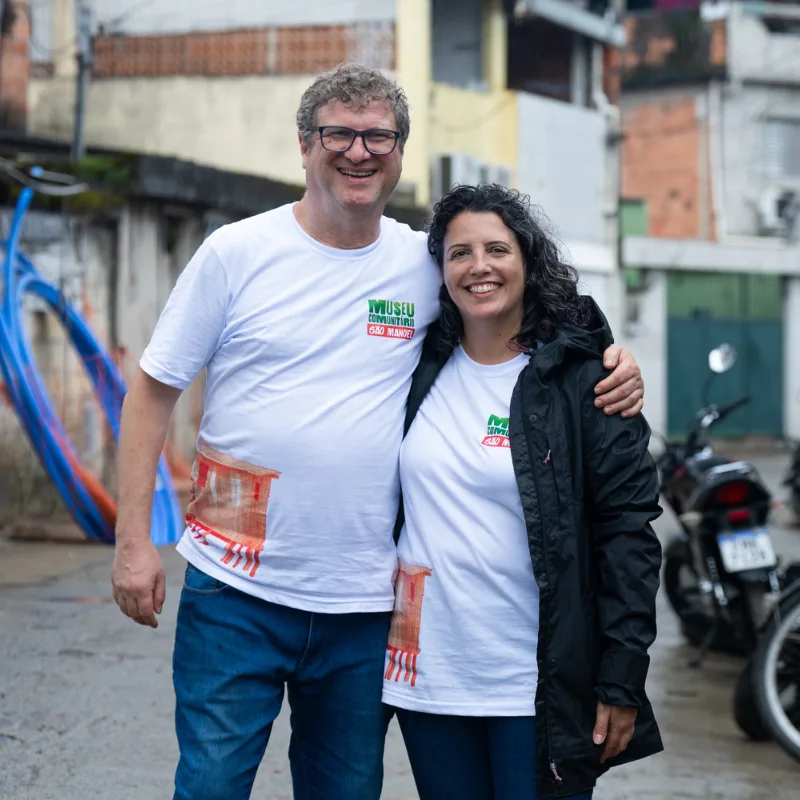
The Community Museum is a symbolic landmark of a history forged together, where every resident is also the author and guardian of their own story.
Natasha Gabriel
Co-founder and Project Director, Instituto Elos
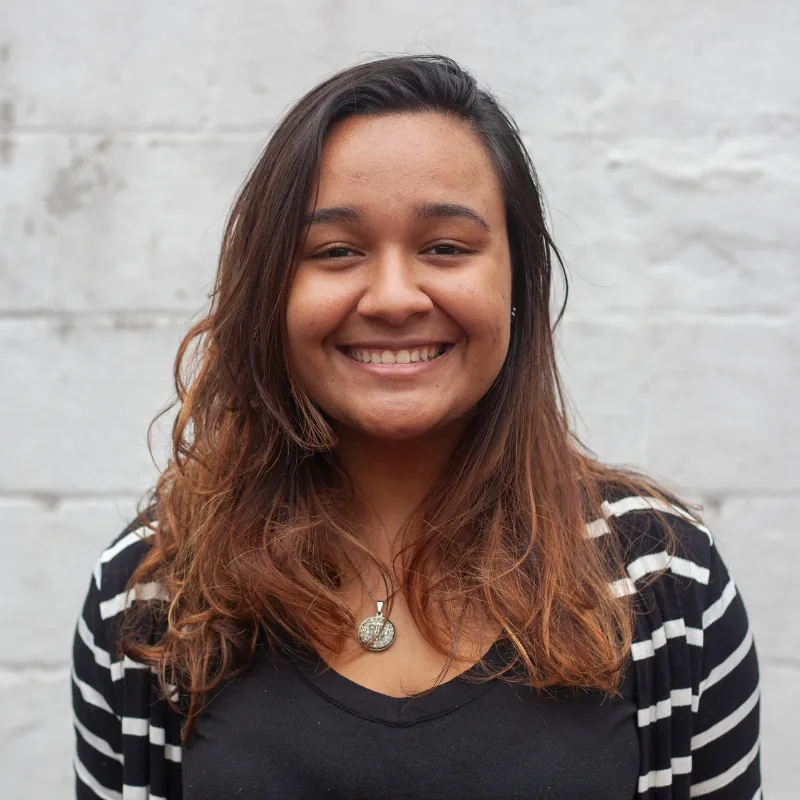
Every house, every street, every São Manoel celebration is part of a living heritage. The museum is an expression of a history that continues to be written every day.
Vitória Santos
Sociologist and project facilitator
Next case