
Impact · Case Studies · Territory
In Guinea-Bissau, a school that began with meetings held under a cashew tree is now run by people trained by Elos.
Cooperation between Brazil and Guinea-Bissau, with ABC and UNESCO · the toughest test: the approach championed by those other than Elos.
25
trained multipliers
+10 years
from the school (CEASP), standing
100 per cent
run by educators trained at GSA
5th
the place of Guinean awalé in traditional African games

listening
Before any project begins, we must listen. A socio-cultural assessment carried out on the ground within the local area.
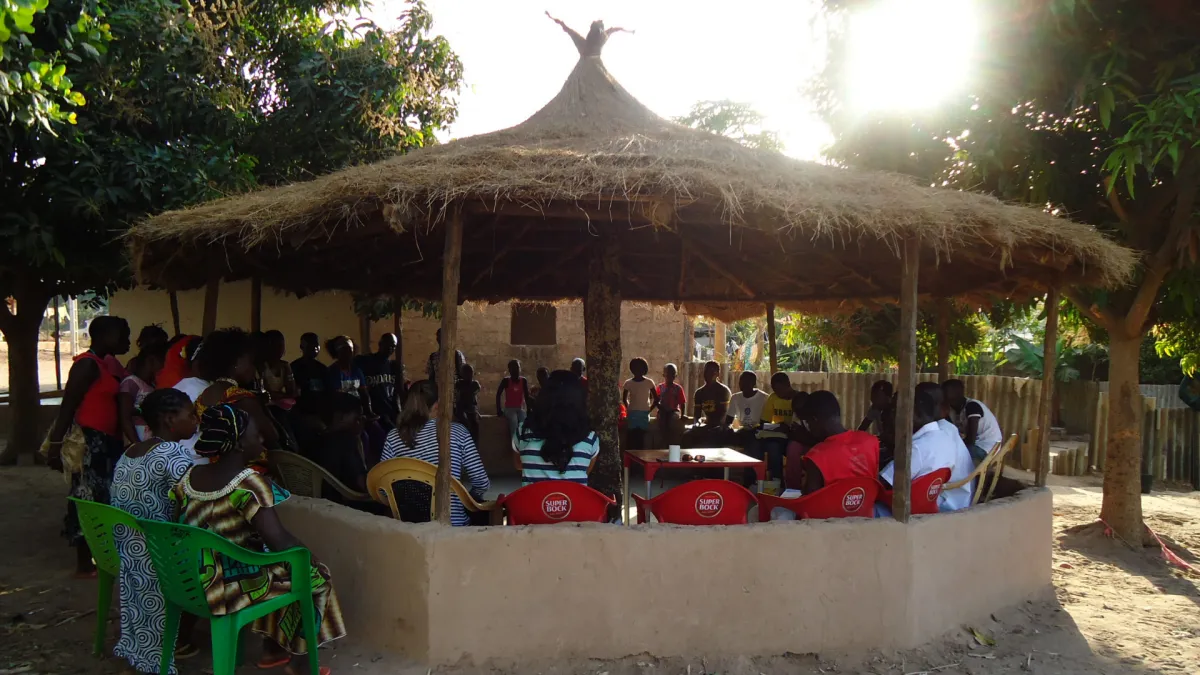
The community would gather under a cashew tree to decide their own future.
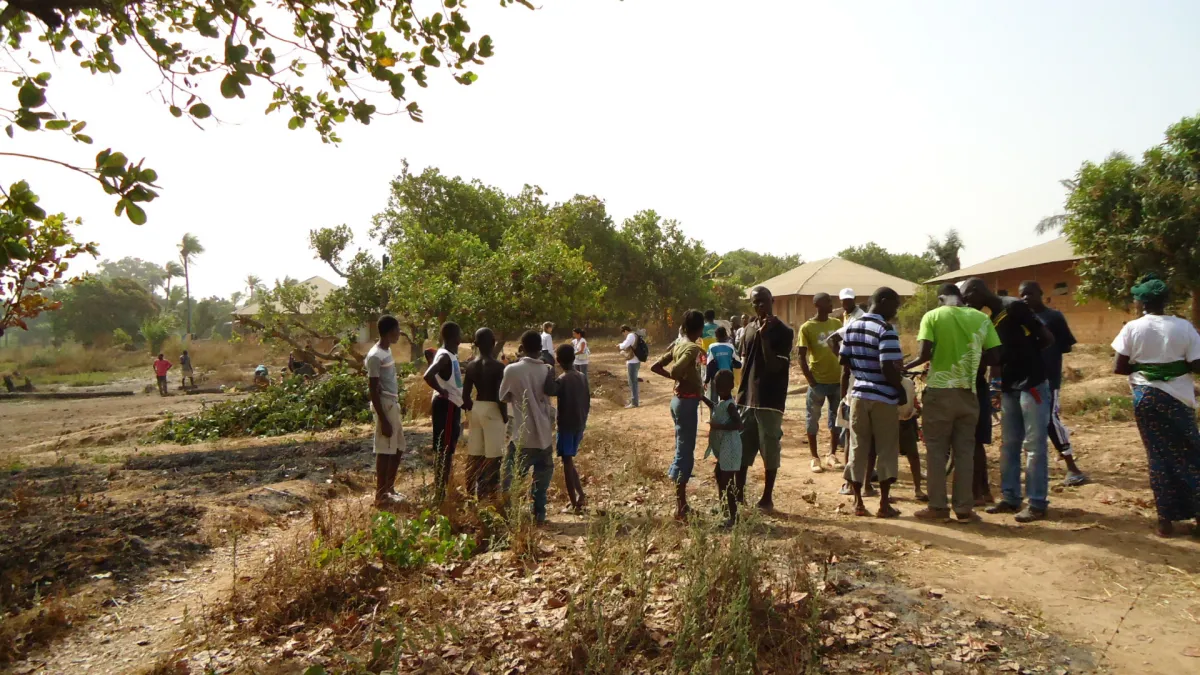
Many voices, one shared dream: a place of learning for the community’s children.
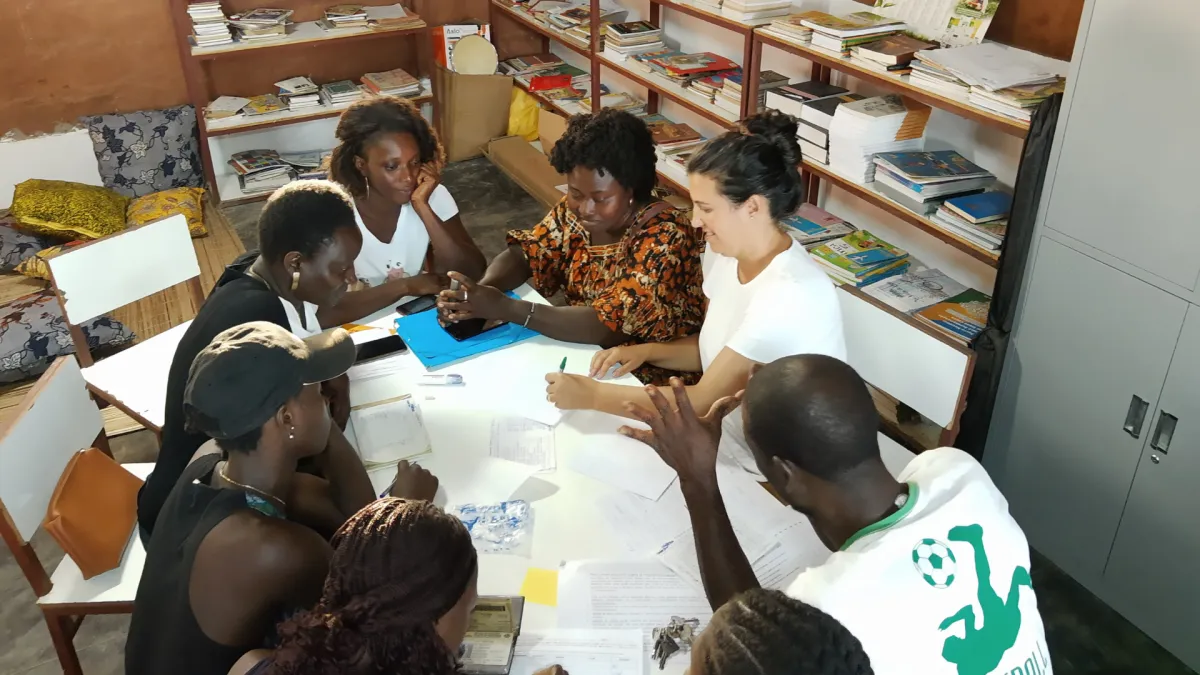
From dream to plan. From the very beginning, the decisions have been in the hands of those who live there.

In 2010, Vivência Oasis introduced the Elos Methodology to Guinea.
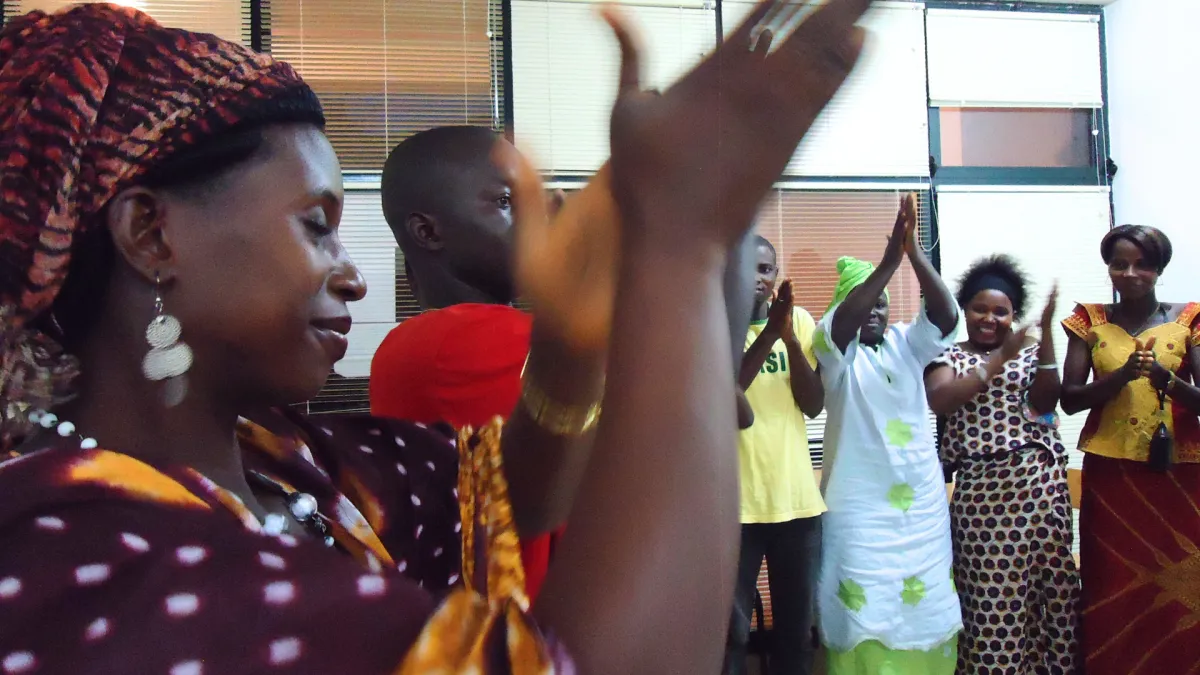
Twenty-five people trained as community mobilisation and development facilitators.
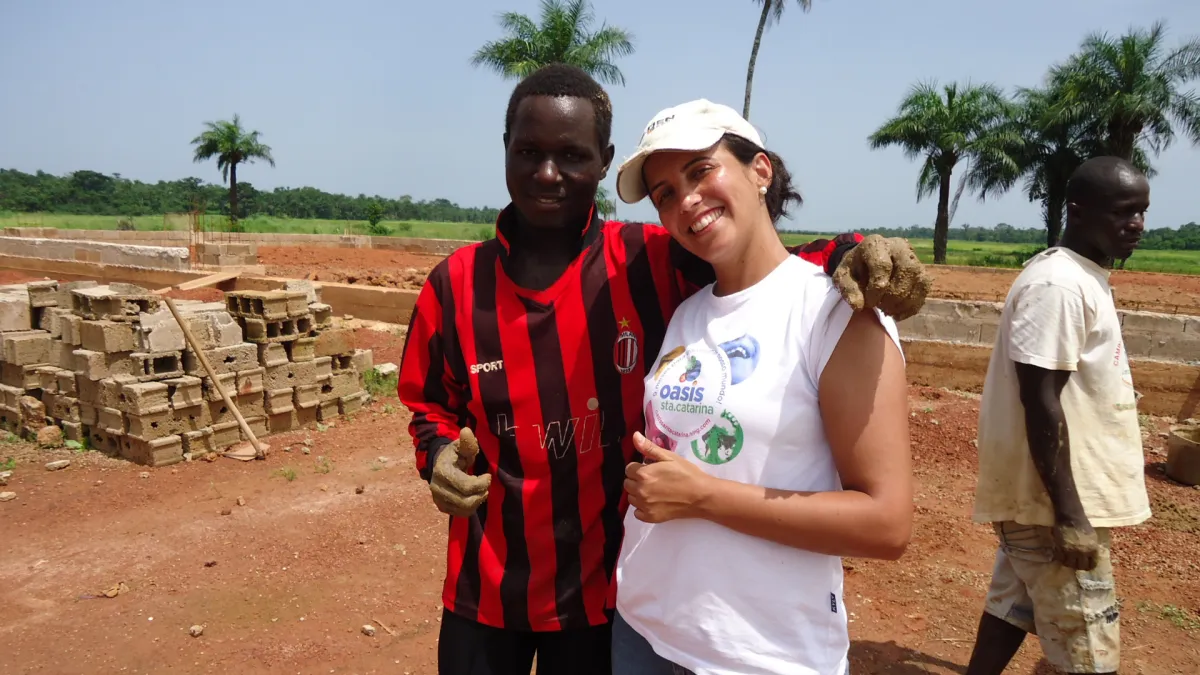
the construction
And then came the community effort: the community built its own educational centre with their own hands.
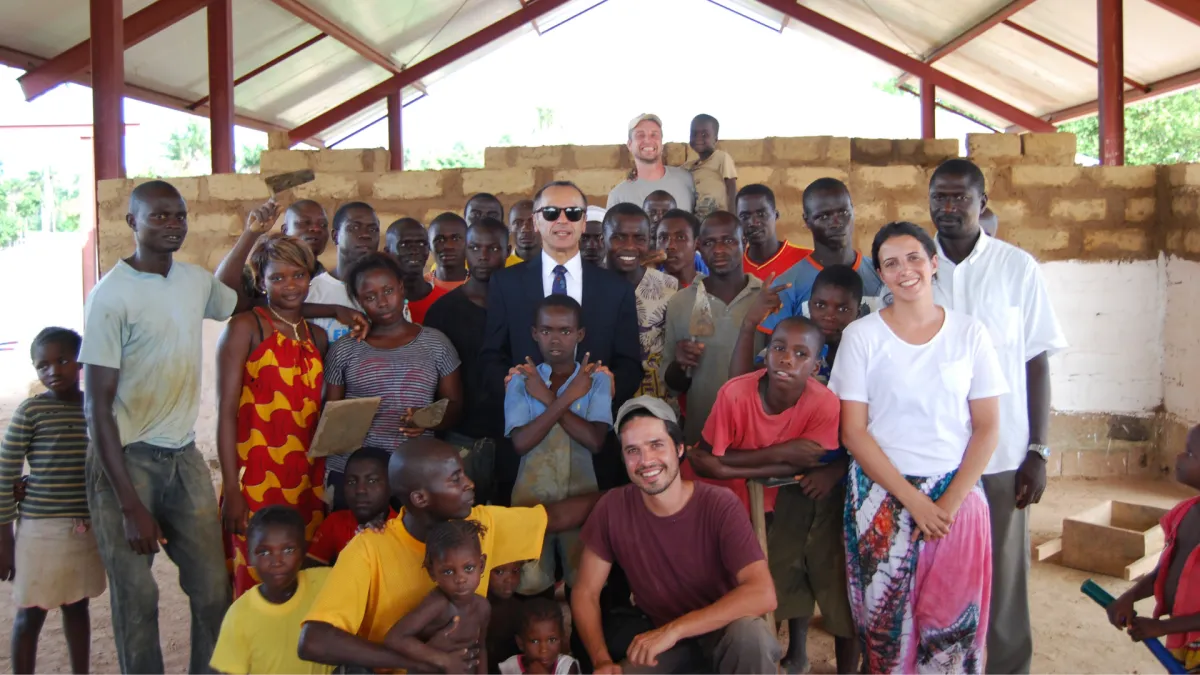
Workshops on green building, technical skills, local knowledge and collective work, all on the same building site.
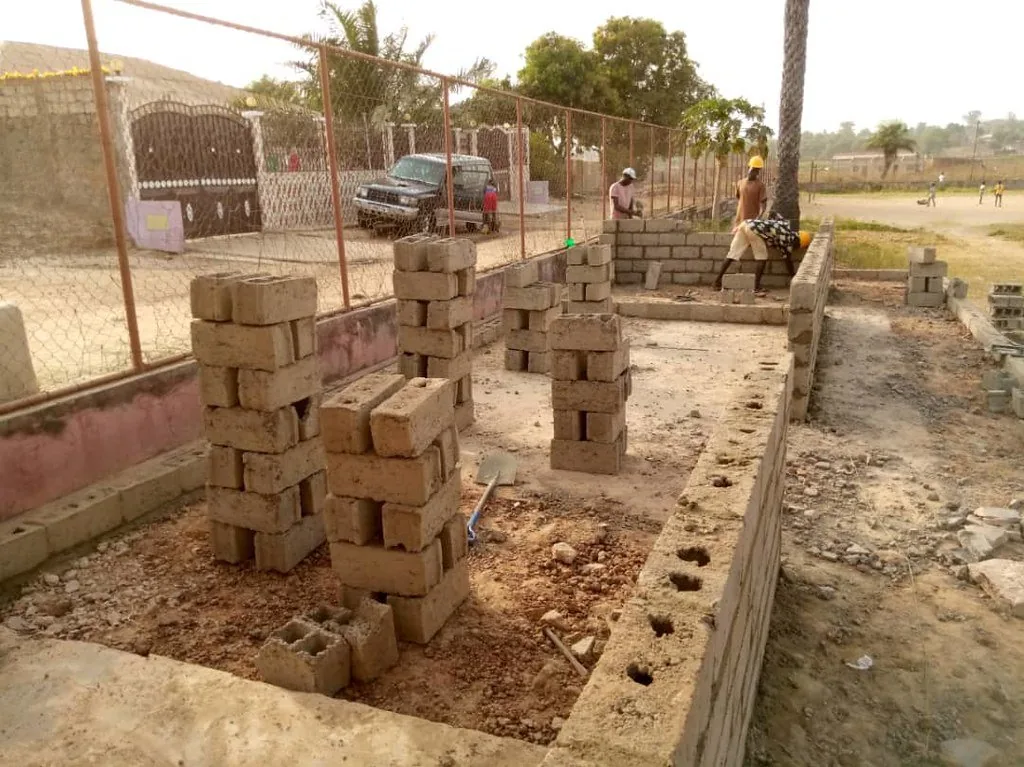
At first, many people wanted concrete blocks, as they were seen as the best option. The choice fell on adobe, the clay used in Guinean houses, using an improved technique.
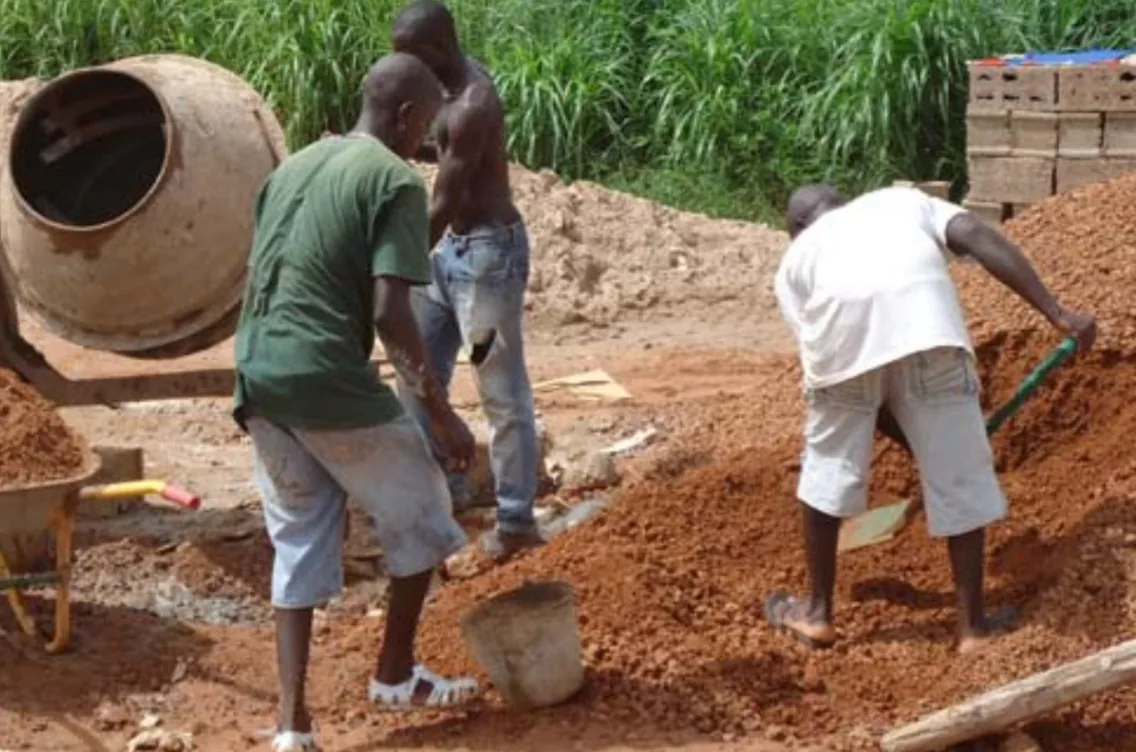
The protection came from the termite mound itself: the bagabaga soil, mixed with water, waterproofs the walls. Fourteen years on, not a single termite.

Brick by brick, the collective dream took shape.
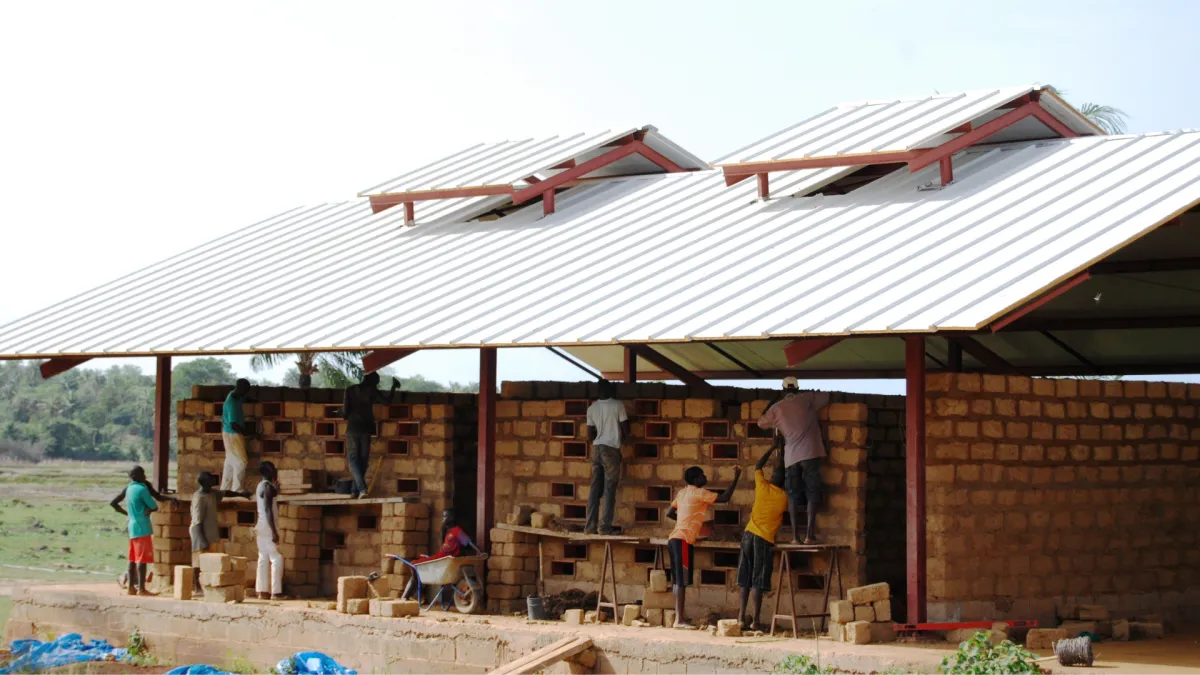
The São Paulo Amizade Educational Centre (CEASP) was established, the result of cooperation between the two countries.
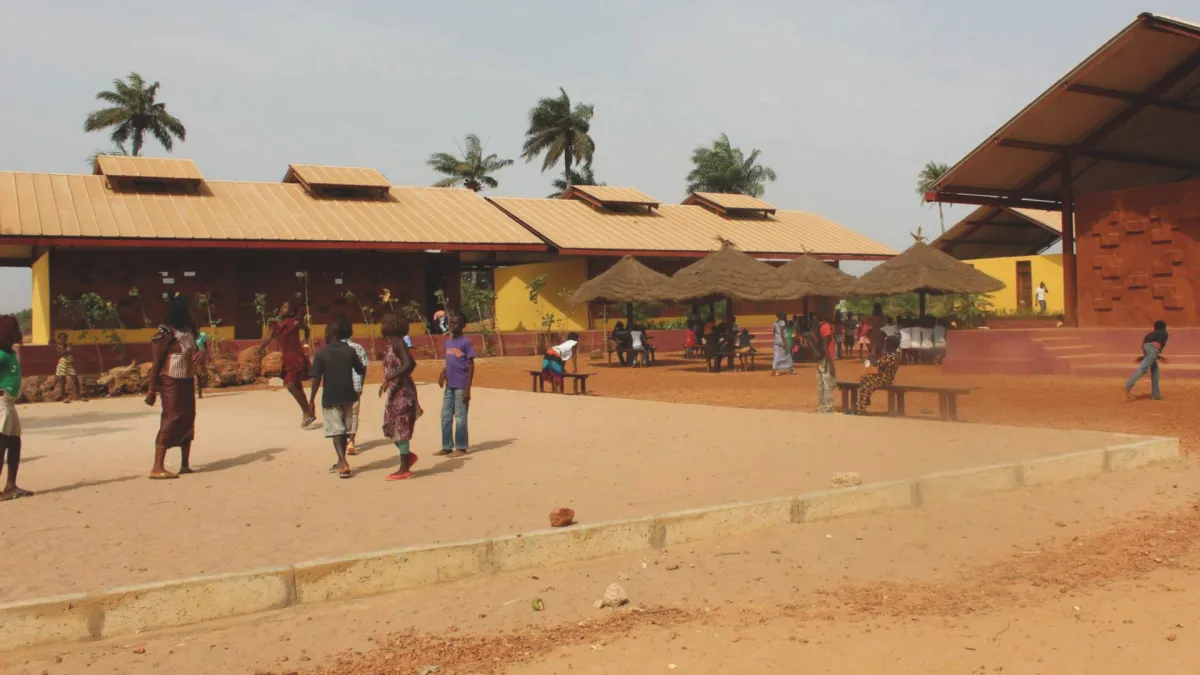
A school built not for the community, but with the community.

today
More than ten years on, the school is still going strong and is run by teachers who trained at GSA.

In the early years, formal lessons are provided with support from the Guinean government. Outside these hours, the centre is open to the community.
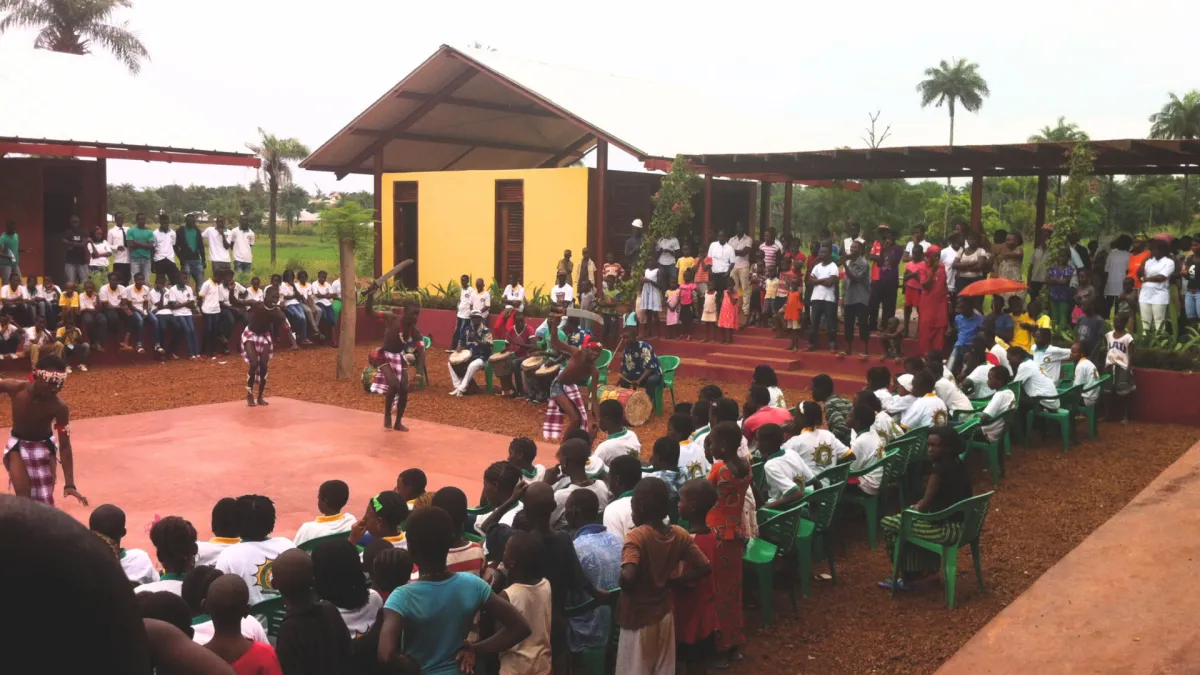
Traditional dance, percussion, sport and traditional games. The football pitch, a rarity in the neighbourhood, hosts local teams at agreed times.
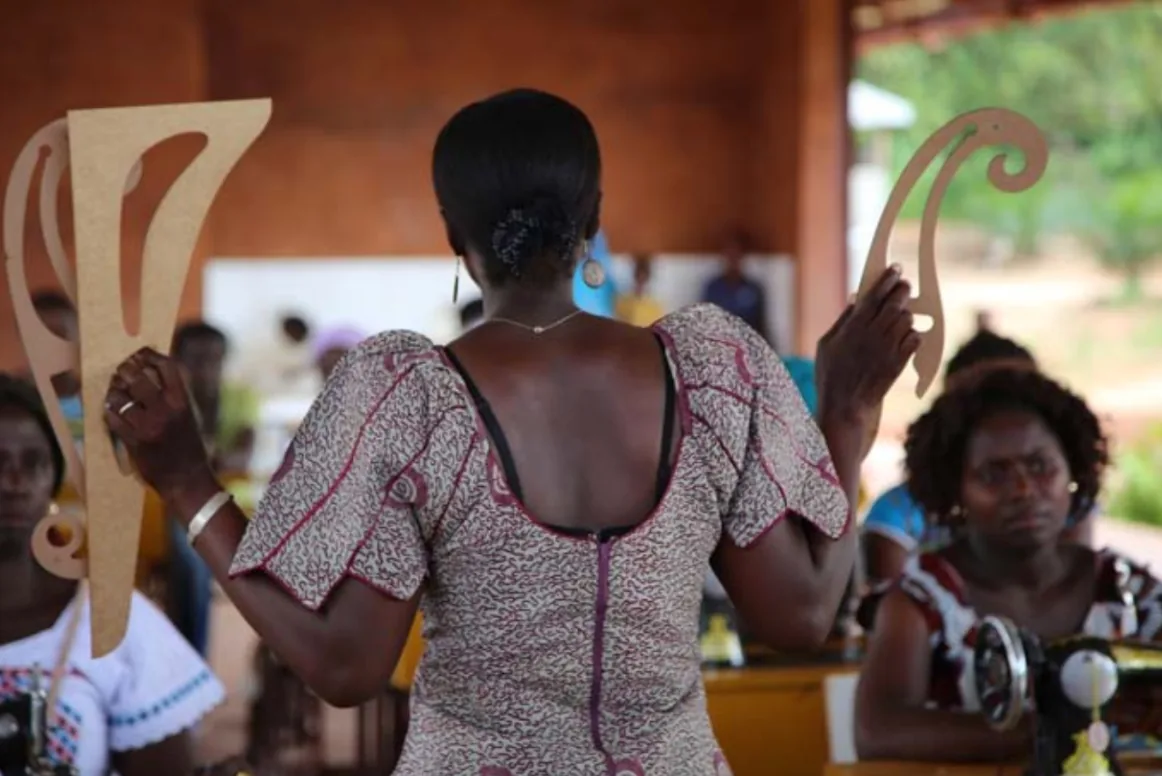
Sewing, IT, a stationery shop that prints documents and puts together CVs, juices and snacks: these community-run businesses generate an income for local residents.
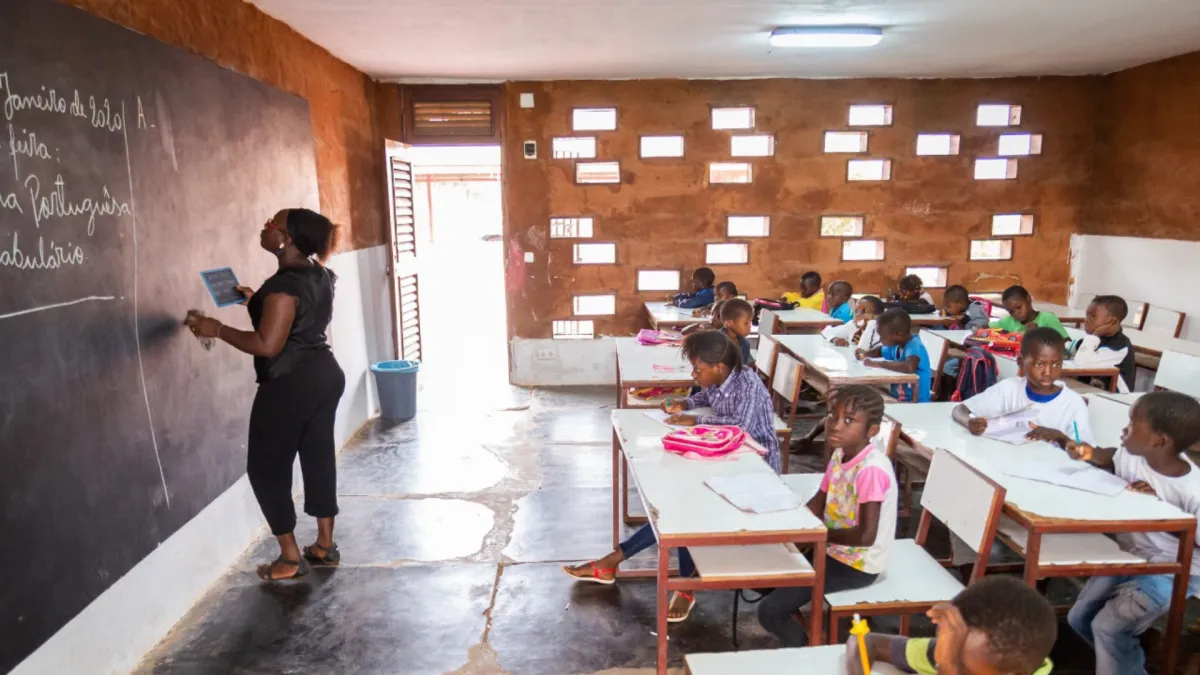
This is where the country’s first awale tournament and the national federation were established. In the first African competition, they came fifth.

A community that started out with meetings under the cashew tree and went on to set up the management of a school that is now theirs.
What Elos carried out: Elos carried out the assessment, training and consultancy for the community work project and the eco-construction project.
What the community has built: The school, the development projects, the upkeep of the building and the Awalé Federation are all run by Guineans.
In Guinea-Bissau, a school that began with meetings held under a cashew tree is now run by teachers whom Instituto Elos helped to train.
The São Paulo Amizade Educational Centre (CEASP) was established as part of a cooperation project between Brazil and Guinea-Bissau, which brought together the Brazilian Cooperation Agency, UNESCO and Elos, amongst other partners. Before a single brick was laid, the first step was to listen: a socio-cultural assessment was carried out in the field, and 25 people were trained as facilitators of the Elos Methodology. Pamela Gaino, an educator with Elos, lived in the country for seven years to oversee the work.
The school was built through a community effort, using eco-construction methods. At first, there was resistance to adobe: many people thought that concrete blocks were better, and that clay was for those who had no money. Elos introduced an improved technique and a solution to the problem of termites, which wreak havoc on the country’s mud-brick houses. Soil from the termite mound itself, mixed with water, becomes a waterproof mortar and plaster. The centre has stood for fourteen years, free from termites, and the community continues to maintain it in the same way to this day.
Ten years after it opened, the hardest test lay ahead: ensuring the method remained firmly in the hands of those who live there. The school is run by teachers trained at the GSA.
CEASP goes beyond the classroom. It offers formal education in the early years, with support from the Government of Guinea-Bissau. It also provides non-formal education, open to the community: traditional dances, percussion lessons, sport and traditional games. The football pitch, a rarity in the neighbourhood, hosts local teams at agreed times.
Community initiatives that generate income operate alongside the school. Six were originally envisaged, and over the years the community kept the ones that made sense and fitted into their daily routine: a sewing workshop run by the women, IT courses, a stationery shop that also prints documents and puts together CVs, and ‘Sucos e Lanches’, which serves snacks at events.
Awalé, an African game from the mancala family, gained popularity through another initiative, Buli Buli Pedagógico, which created educational activities and toys, such as small African fabric balls filled with rice. In Guinea-Bissau, awalé was a game played on the ground, without the status as a sport that it enjoys in other African countries. The group began to study it for its logical reasoning and mathematical aspects, organised the country’s first tournament and founded the national federation. In 2026, the first time it competed in the African Traditional Games, it came fifth.
Parents and carers take part in joint efforts to clean and organise the space. The centre is also run by the community on a day-to-day basis.
Those who have experienced it tell their stories
The Amizade São Paulo Educational Centre is now run entirely by educators who have been through the GSA programme. The programme is, in fact, producing new leaders across a range of fields.
Pamela Gaino
Facilitation Coordinator, Instituto Elos
Next case